What Should Crawler Dozer OEMs Verify Before Undercarriage Selection?
rawler dozer undercarriage selection starts with the work the machine must perform. Before comparing track or frame directions, an OEM should define the blade state, rear attachment, pushing or grading cycle, terrain, slope, impact exposure, and the machine layout that carries those loads. This creates a dozer-specific review boundary instead of reusing a generic crawler-equipment checklist.
Map the Four Dozer-Specific Evaluation Zones
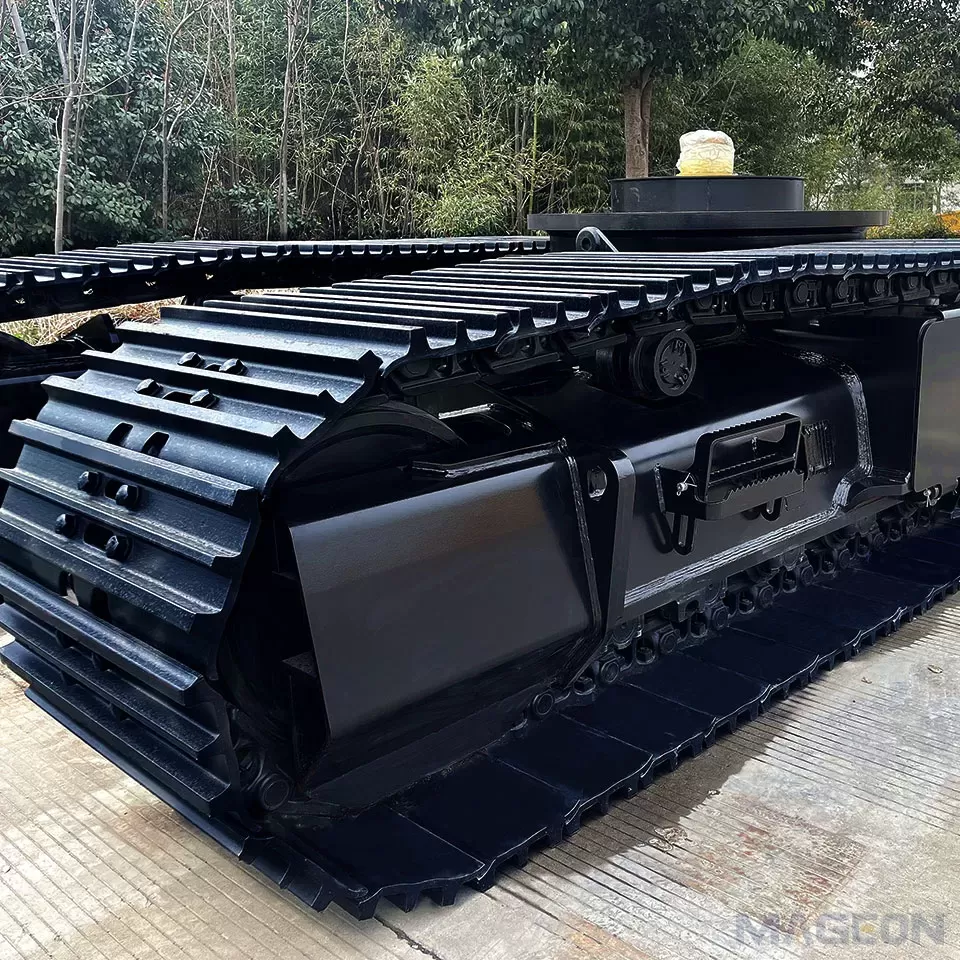
The blade, machine body, rear attachment, and undercarriage form one configuration review. The diagram is a scope map only: it identifies the areas to review together and does not indicate a dimension, approved fitment, or performance result.
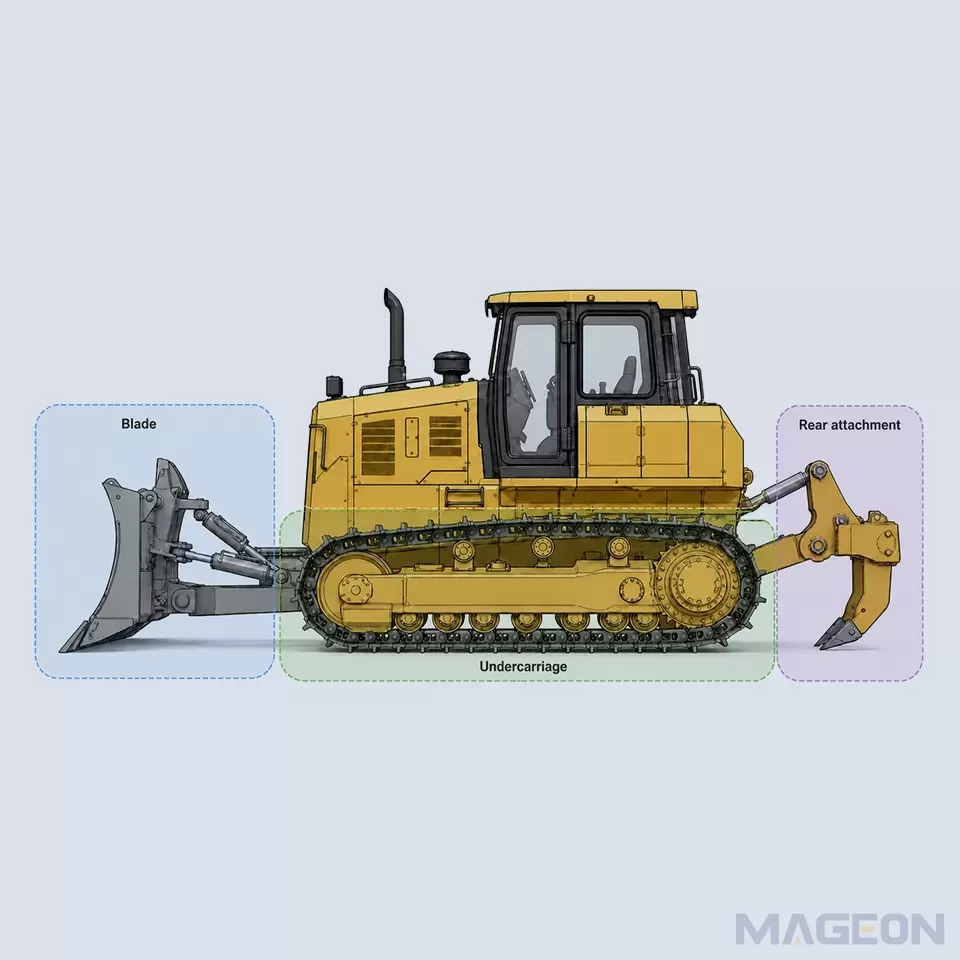
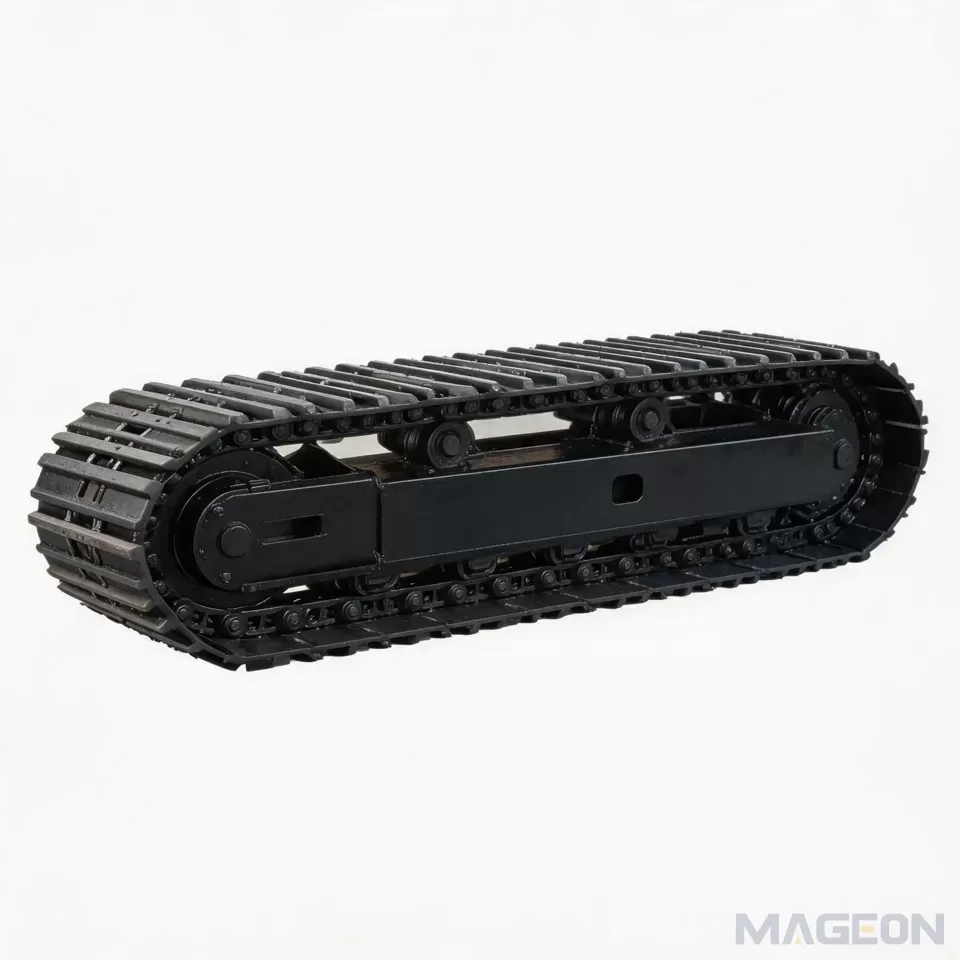
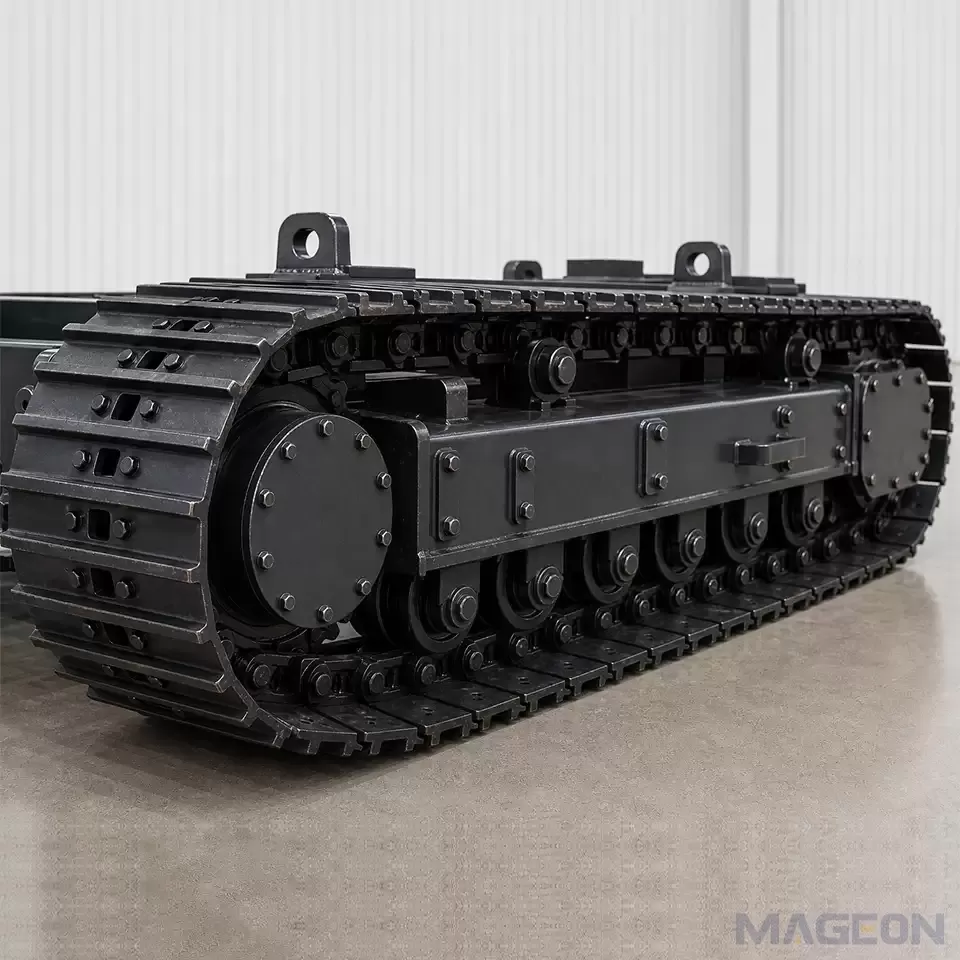
The blade affects the front working condition; a rear attachment or winch can change the rear configuration; and the undercarriage must be reviewed with the complete layout. ISO 20474-2:2017 addresses crawler dozers and their rear-mounted winches within the dozer safety scope. ISO 20474-2:2017
Start With Blade and Rear Attachment States
Do not treat “the dozer” as one fixed load case. Record the intended blade arrangement, the positions in which the blade works, any rear attachment, and whether the machine will operate in more than one configuration. These are the inputs that tell the engineering team which states need review.
The practical question is not whether one attachment is universally heavier or more demanding. It is whether the attachment changes the machine's layout, load path, clearance, operating state, or documentation requirements. If it does, it belongs in the undercarriage evaluation package.
Blade state deserves the same treatment. A dozer that is defined only by its nominal model class can conceal the actual states the engineering team must assess. Describe the blade arrangement, the expected working positions, whether the machine will alternate between pushing and finish grading, and whether a rear attachment is installed for all or only part of the intended duty. This gives the review a traceable configuration basis without assuming a load value or design response.
When an attachment is optional, document both the base configuration and the attachment-equipped configuration. The evaluator can then identify whether the same undercarriage direction is appropriate for both, or whether the project needs a separate technical check. This is more useful than treating “optional equipment” as a footnote after an early selection has already been made.
| Why it is reviewed | Engineering question it opens | What it does not prove | |
|---|---|---|---|
| Blade arrangement and operating state | Defines the front working configuration | Which working states must be assessed | A final frame or track specification |
| Rear attachment or winch | Defines rear layout and attachment condition | Whether another configuration must be reviewed | Compatibility without drawings |
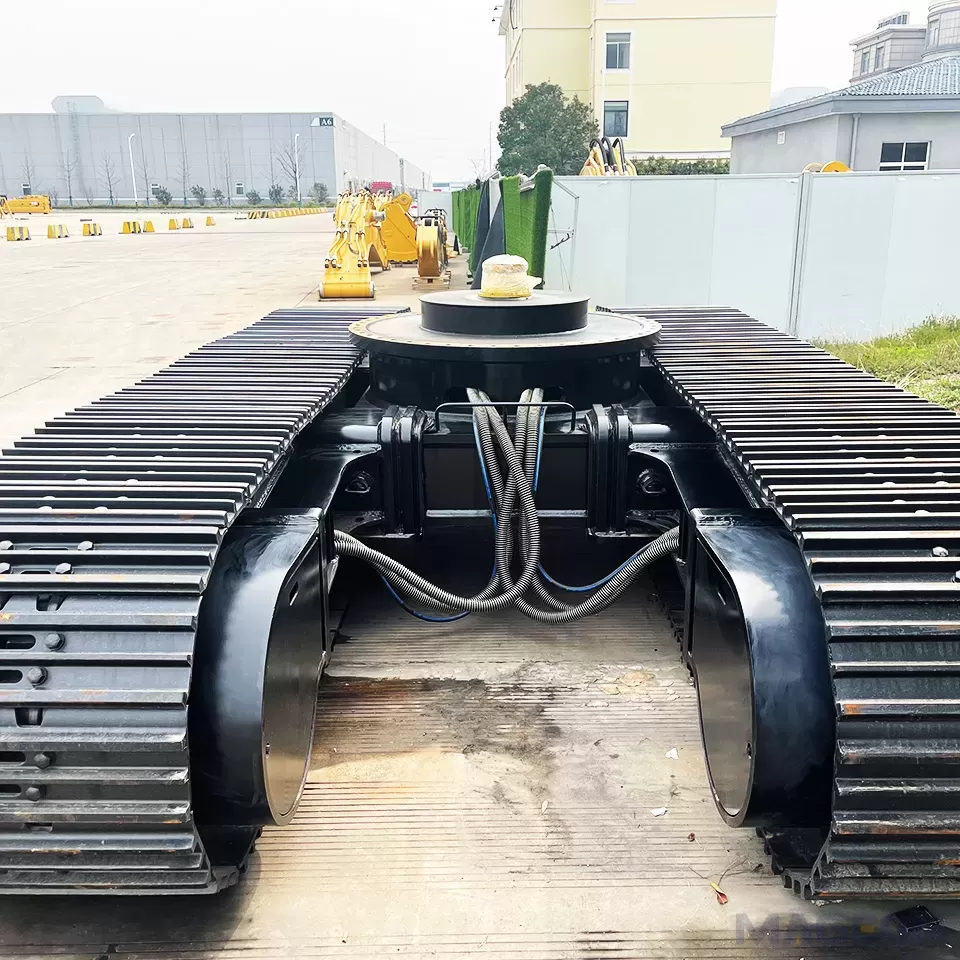
| Machine layout and interfaces | Connects upper machine to the track frame | Where mounting and packaging must be checked |
Separate Pushing, Finish Grading, and Attachment-Driven Duty Cycles
Pushing, finish grading, and attachment-driven work should not be collapsed into one generic “duty cycle.” Each has a different operating emphasis: the machine may repeatedly push material, make controlled grading passes, or work with an attachment that changes the configuration to be assessed. The article does not assign a final design response to any one cycle; it gives the OEM a way to describe the cycle precisely enough for engineering review.
For each intended cycle, record the sequence of work, expected travel pattern, surface condition, grade, attachment state, and how often the state changes. Caterpillar's small-dozer undercarriage guidance similarly frames selection around machine usage, ground and soil conditions, impact conditions, attachments, and grades or slopes. Caterpillar small-dozer undercarriage guidance
| Describe before evaluation | Review emphasis | Do not infer | |
|---|---|---|---|
| Pushing | Material, blade state, travel pattern, grade, and repeated operating states | Attachment configuration, ground condition, and duty boundary | A final load rating or track choice |
| Finish grading | Surface condition, required pass pattern, blade state, and machine layout | Configuration control and whole-machine integration | A universal stability or accuracy claim |
| Attachment-driven work | Rear attachment, operating sequence, interface data, and worksite condition | Rear configuration, packaging, and project-specific verification |
The comparison is deliberately procedural. It helps an OEM state what the machine will do; it does not transform a work description into a guaranteed undercarriage result.
Use Ground, Slope, and Impact Conditions to Frame the Track Decision
Ground, slope, and impact are dozer operating inputs—not a ready-made track answer. ISO 16754 explains that average ground contact pressure is used only to compare machine models and that actual operating conditions can vary with load, centre of gravity, terrain, track-shoe type and size, and surface conditions. ISO 16754:2008
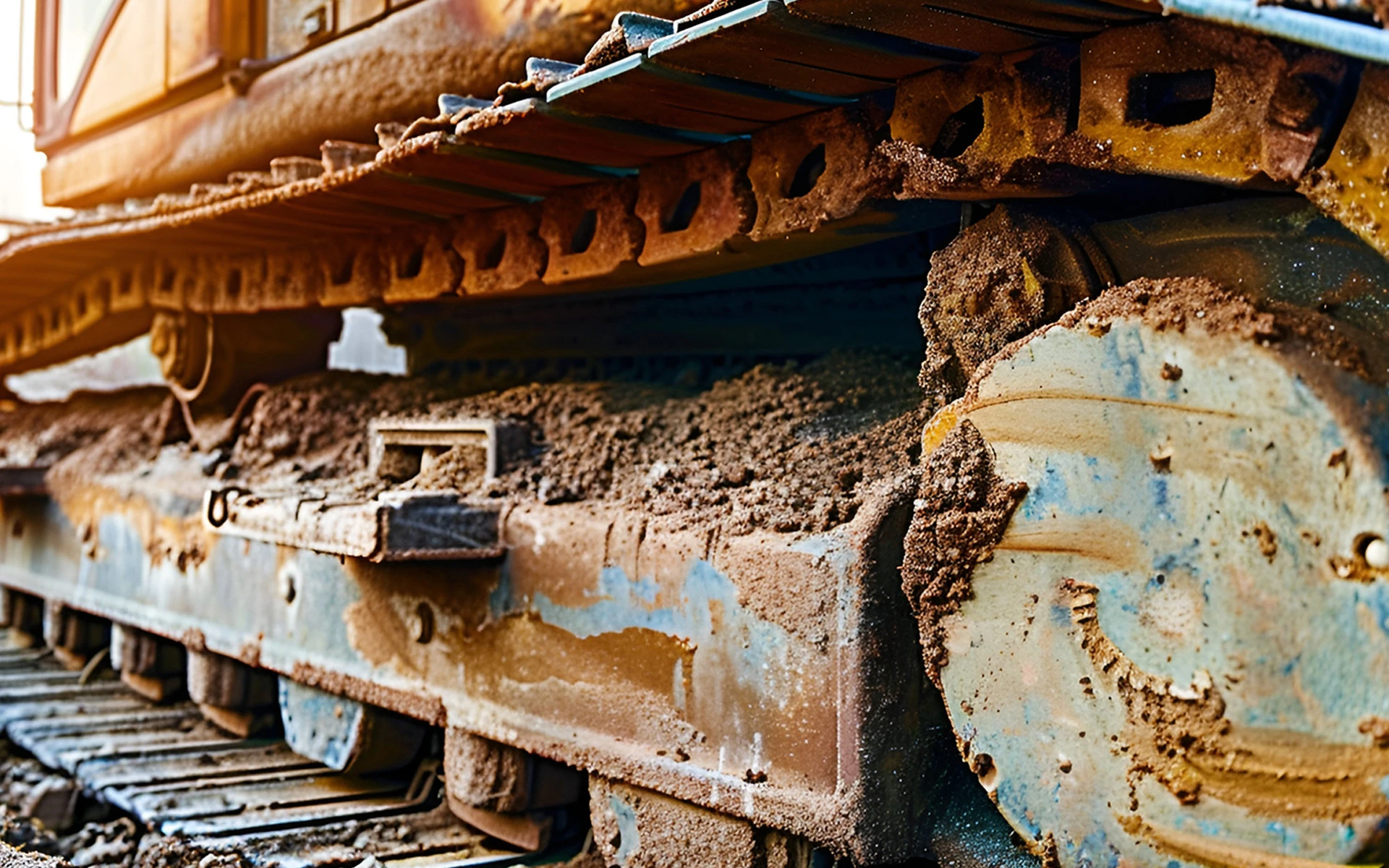
That boundary is useful for OEM teams. Describe the material, surface condition, grade, and expected impact exposure, then identify which track-shoe, contact-area, and undercarriage questions require project validation. Avoid turning a single ground description into a claim about traction, wear life, contact pressure, or final track-shoe selection.
Build a Dozer-Specific Review Dossier
The first technical package should make the dozer's working states visible to the evaluator. Provide the items below together rather than sending only a requested track-frame size.
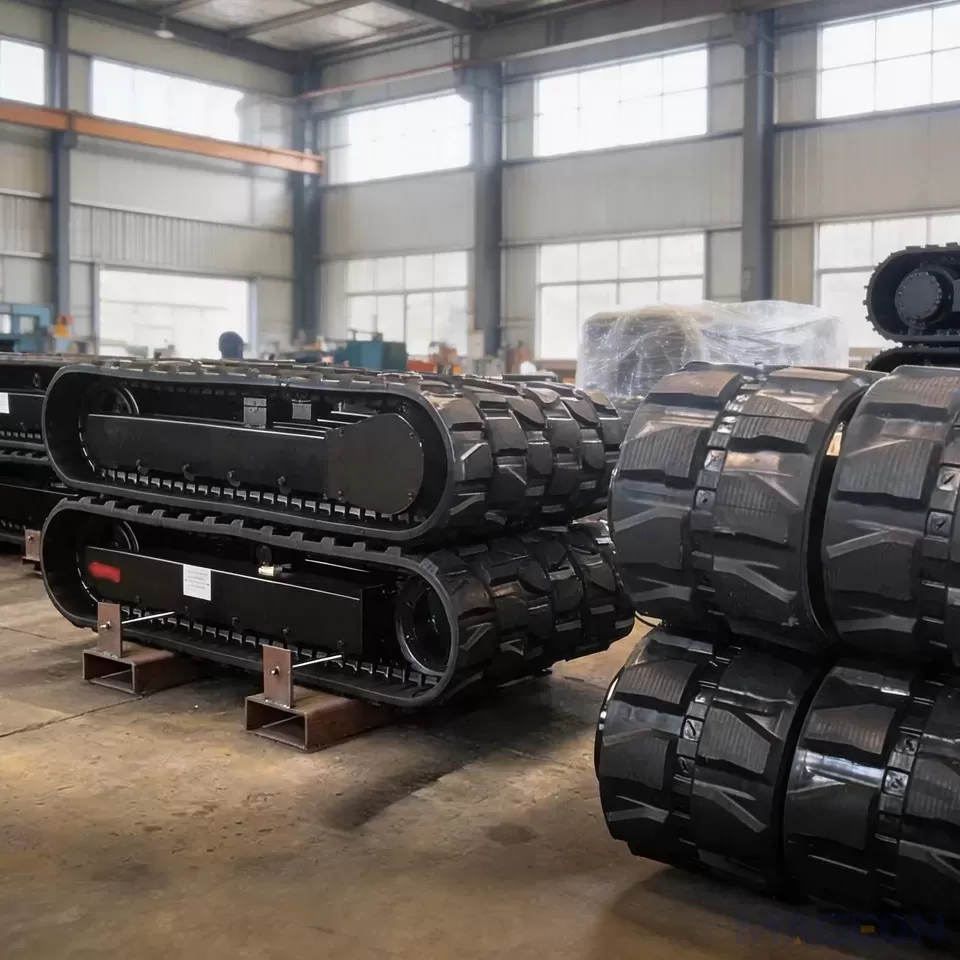
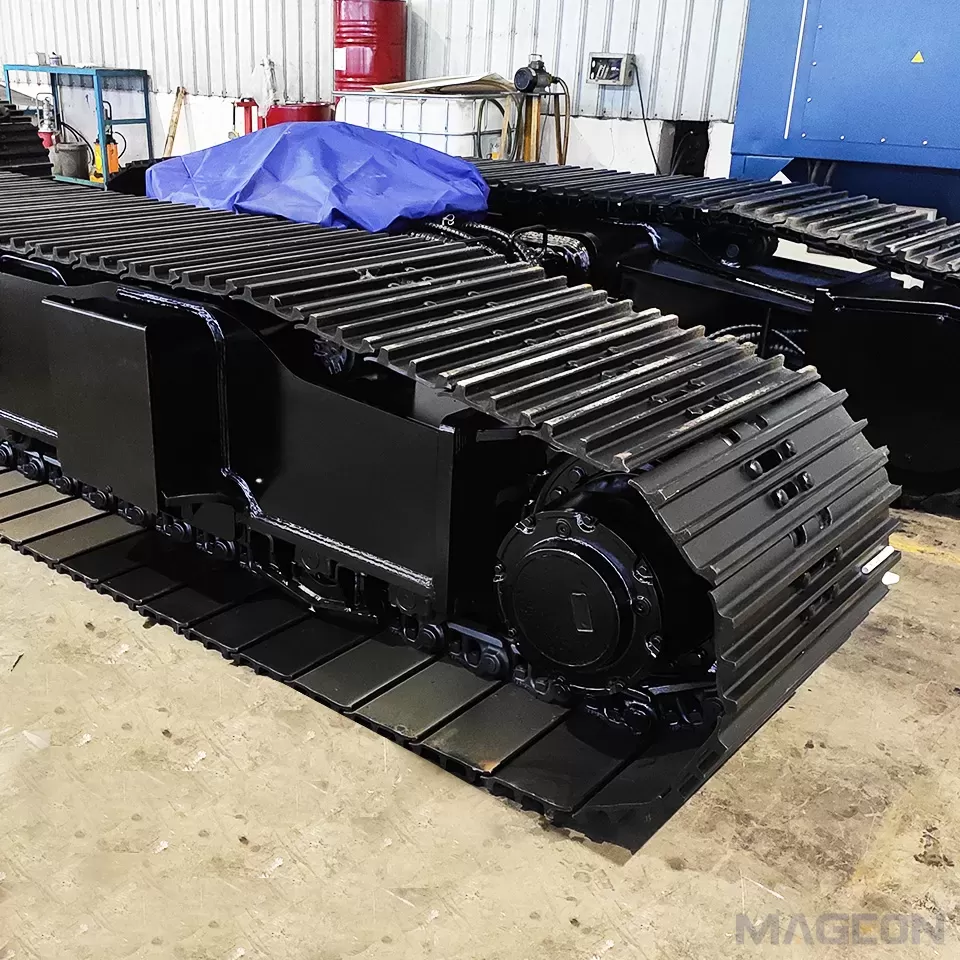
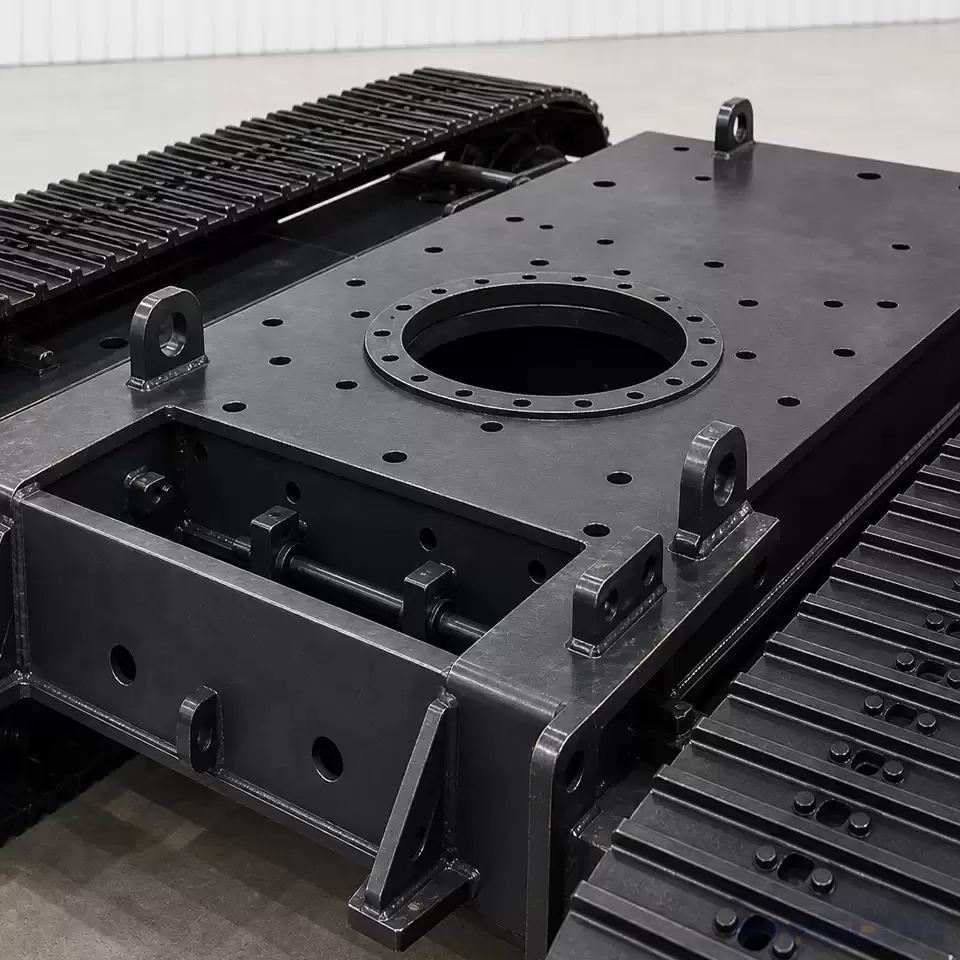
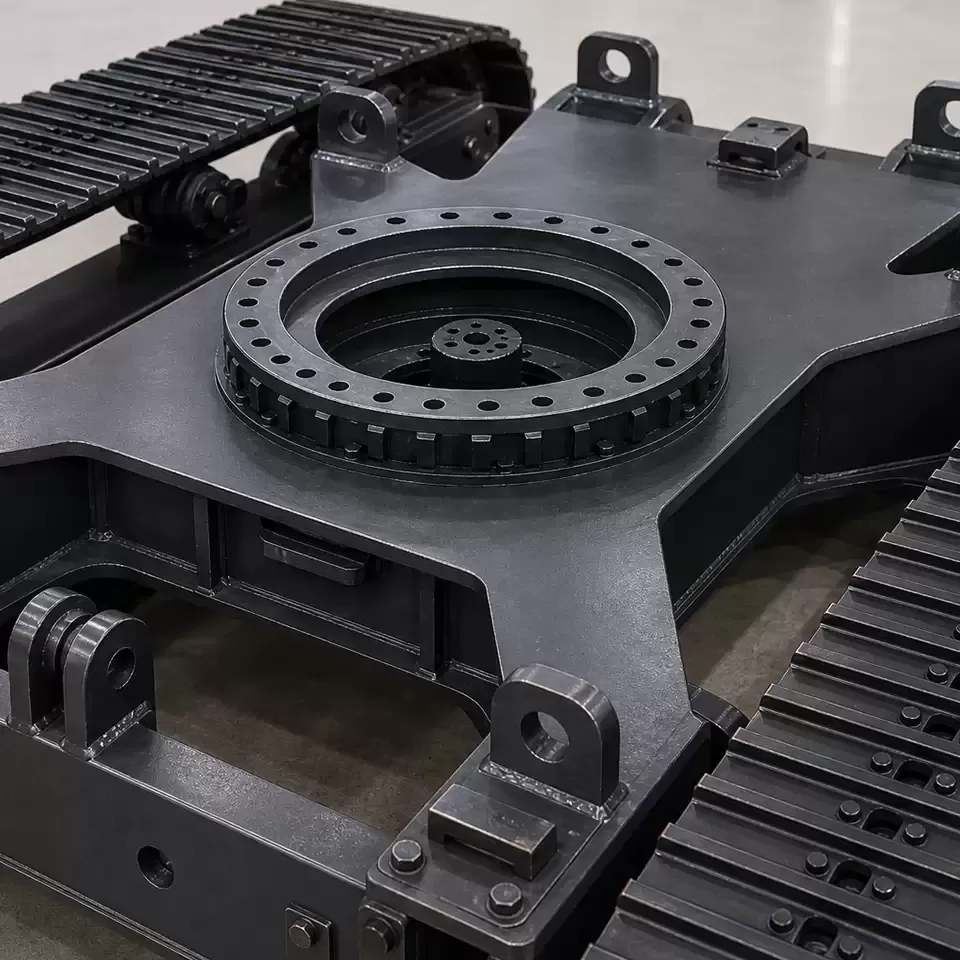
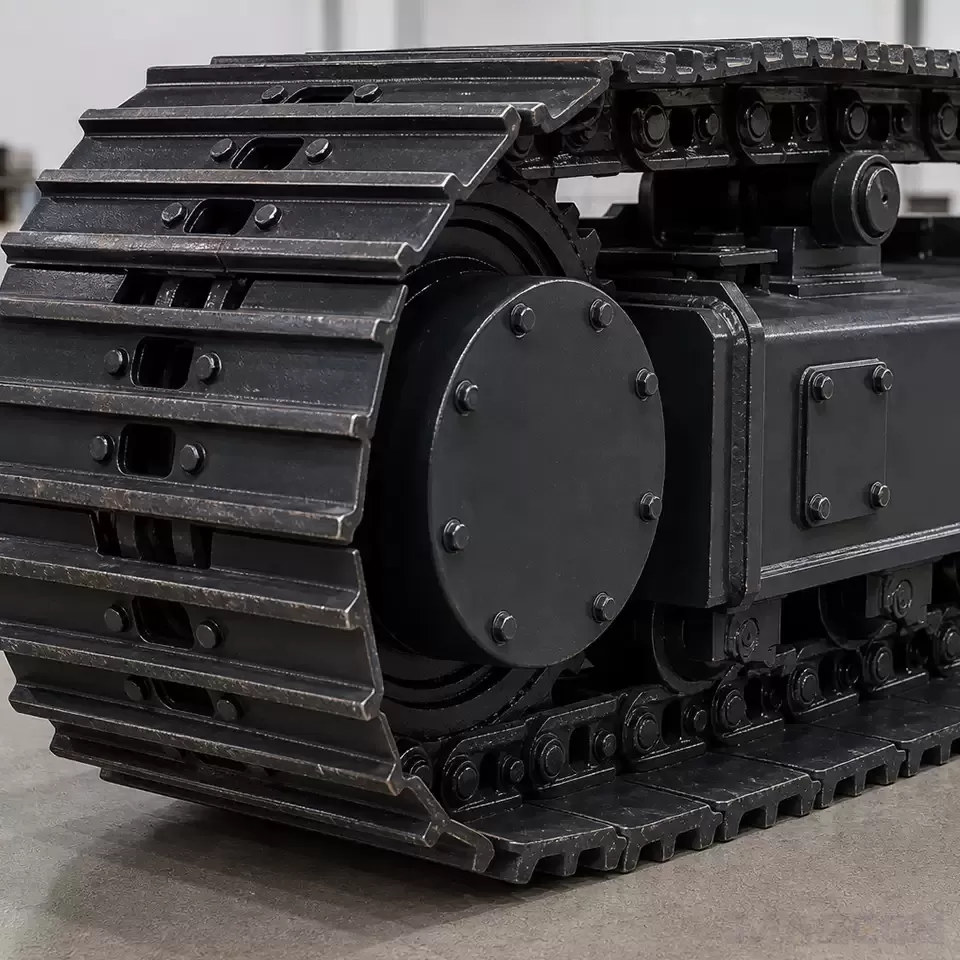
Track gauge, Mounting interfaces, and Crawler track tension should be recorded as separate review inputs when they are relevant to the intended dozer configuration; none replaces the blade, duty-cycle, site, and layout information.
| Include | Used to review | If missing | |
|---|---|---|---|
| Blade and rear configuration | Blade arrangement, rear attachment, relevant operating states | Configuration boundary and load-path questions | Keep the state open; do not infer a final direction |
| Duty-cycle description | Pushing, grading, attachment-driven work, travel pattern, and state changes | Which cycles require separate review | Request a defined operating scenario |
| Site inputs | Surface material, ground condition, grade, and impact exposure | Track and contact-related trade-offs | Do not assume a typical site |
| Machine integration | Target dimensions, drive requirements, mounting interfaces, and packaging space | Fitment and whole-machine layout |
MAGEON invites OEM teams to provide the equipment configuration, load and dimensional information, and duty conditions for technical evaluation or inquiry.
Frequently Asked Questions
Is a crawler dozer's blade enough to define the undercarriage?
No. The blade must be reviewed with rear attachments, working states, duty cycle, ground, slope, and the complete machine layout.
When should a rear attachment be included in the review?
Include it whenever it is part of the intended machine configuration or changes an operating state, layout, or interface that needs engineering assessment.
Can ground conditions determine the final track-shoe choice?
No. They frame the questions to evaluate with the complete dozer configuration and project-specific information.
What should be prepared for the first engineering discussion?
Provide the blade and rear configuration, duty-cycle description, site inputs, target dimensions, drive requirements, and mounting-interface information.
Please leave your customization requirements, and we will contact you as soon as possible!
Leave your requirements, we'll get back to you within 24 hours.