How Should OEMs Select a Crawler Undercarriage for Crawler-Mounted Concrete Pump Equipment?
OEMs should define the concrete pump equipment's working and travel states before selecting a crawler undercarriage. The undercarriage is part of the full machine. It must be reviewed with the upper-machine layout, operating mass cases, interfaces, site conditions, and maintenance expectations. It does not independently establish pumping performance, boom behavior, complete-machine stability, or compliance.
Define Working and Travel States First
Start by describing what changes between pumping, travelling, transfer, setup, and maintenance. Record the equipment function, attachment or upper-system arrangement, mass cases, route conditions, and the transitions that recur in the duty cycle. A broad statement that the machine is a concrete pump is not enough for a project-specific undercarriage discussion.
This approach keeps preliminary information separate from engineering conclusions. Where a mass, layout, interface, or work condition is still unknown, list it as an input requiring confirmation. Do not replace it with a nominal value or a claimed final configuration.
| Information to prepare | Why the input matters | |
|---|---|---|
| Pumping or working | Upper-machine arrangement, operating mass case, attachment state, and site condition. | Defines the machine state that must be represented in the project review. |
| Travel within the site | Route, ground changes, turns, transitions, and planned travel condition. | Identifies the duty conditions that should not be inferred from the working state. |
| Transfer or transport preparation | Packaging constraints, access requirements, and the applicable machine state. | Keeps transport-related questions separate from pumping-system claims. |
| Maintenance or inspection | Required access, service tasks, and relevant layout constraints. |
The crawler undercarriage travel speed is one of the operating inputs to document with the relevant travel state, not a universal configuration value. Its effect must be reviewed with the actual machine layout, duty cycle, and project assumptions.
Separate Undercarriage Inputs From Pump-System Requirements
| Undercarriage integration input | Pump-system or project confirmation responsibility | |
|---|---|---|
| Layout and mass cases | Provide controlled layout, operating mass cases, mounting information, and attachments. | Confirm the complete-machine assumptions for each state. |
| Travel and site conditions | Describe ground, route, transitions, and intended work cycle. | Confirm project access, work constraints, and site requirements. |
| Pumping and boom behavior | Identify interfaces that affect the undercarriage installation. | Confirm pumping parameters, boom dynamics, controls, safety, and validation. |
| Compliance and verification | Identify information needed for integration review. |
ISO 21573-2 specifies procedures for examining technical commercial specifications of defined concrete pumps, including mobile pumps. It does not replace crawler-undercarriage integration or complete-machine engineering confirmation. ISO 21573-2:2020
Review the Undercarriage Integration Inputs
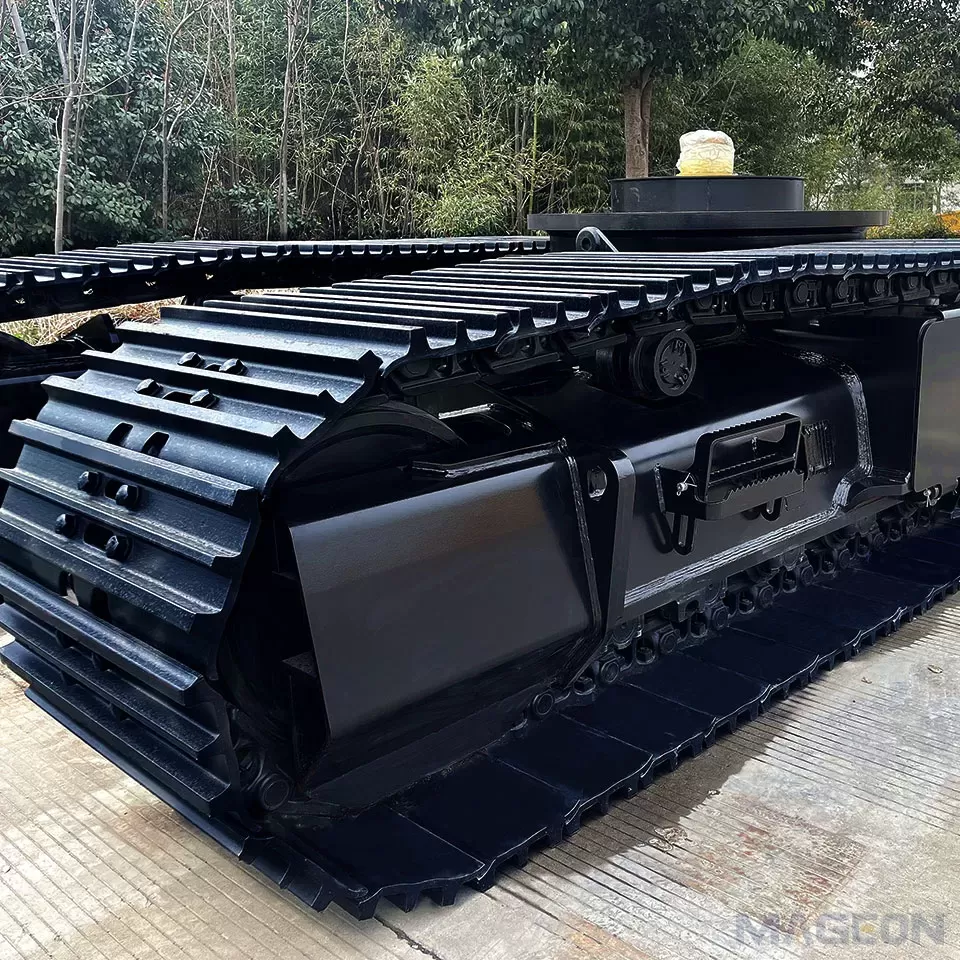
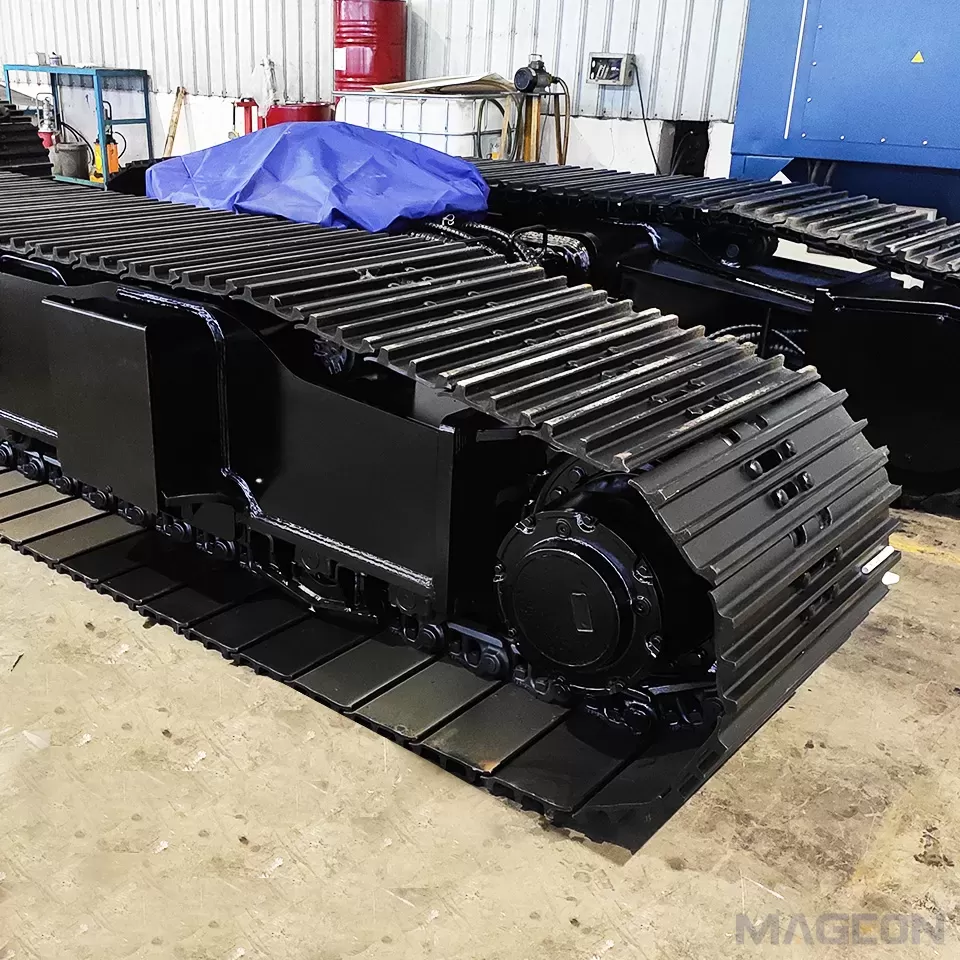
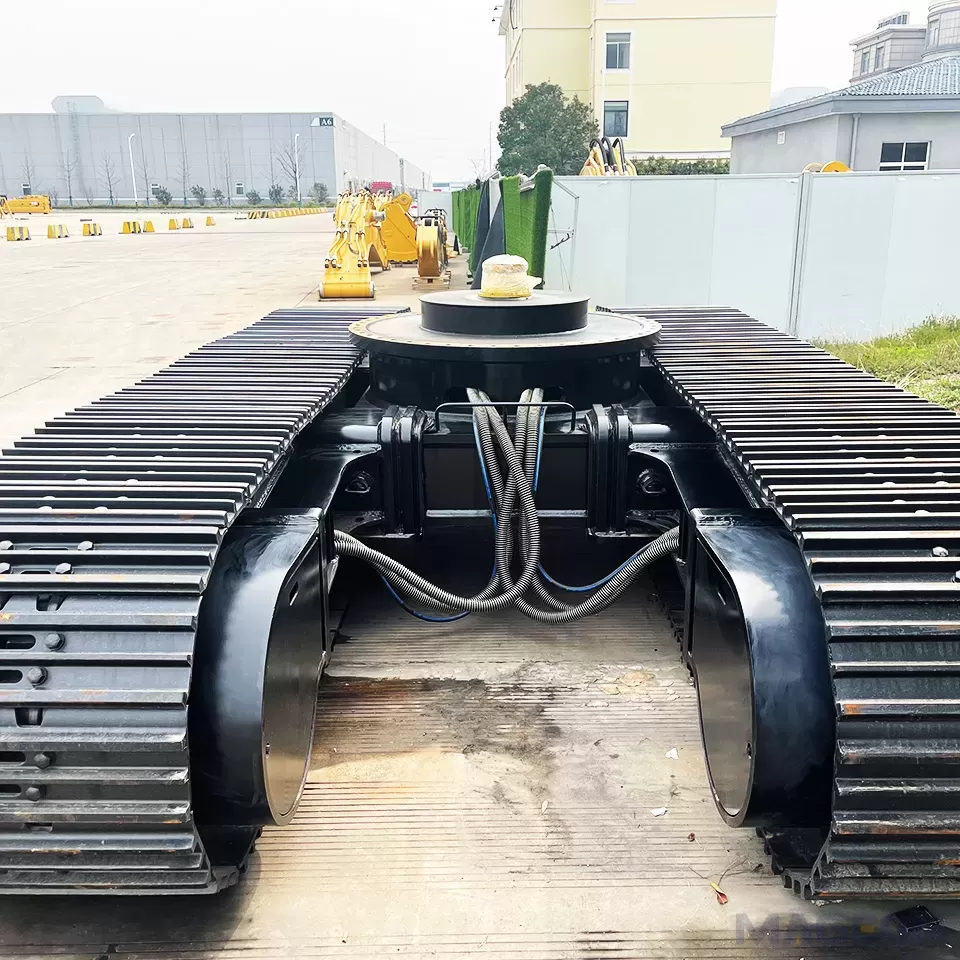
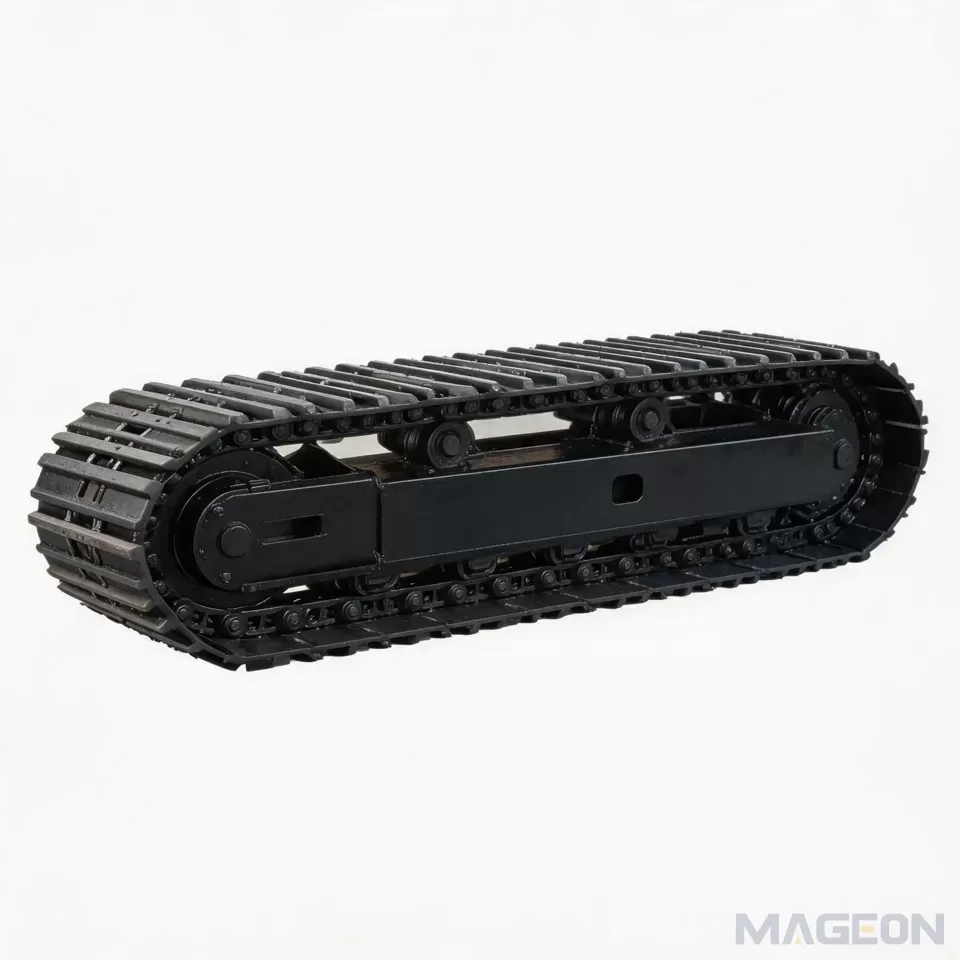
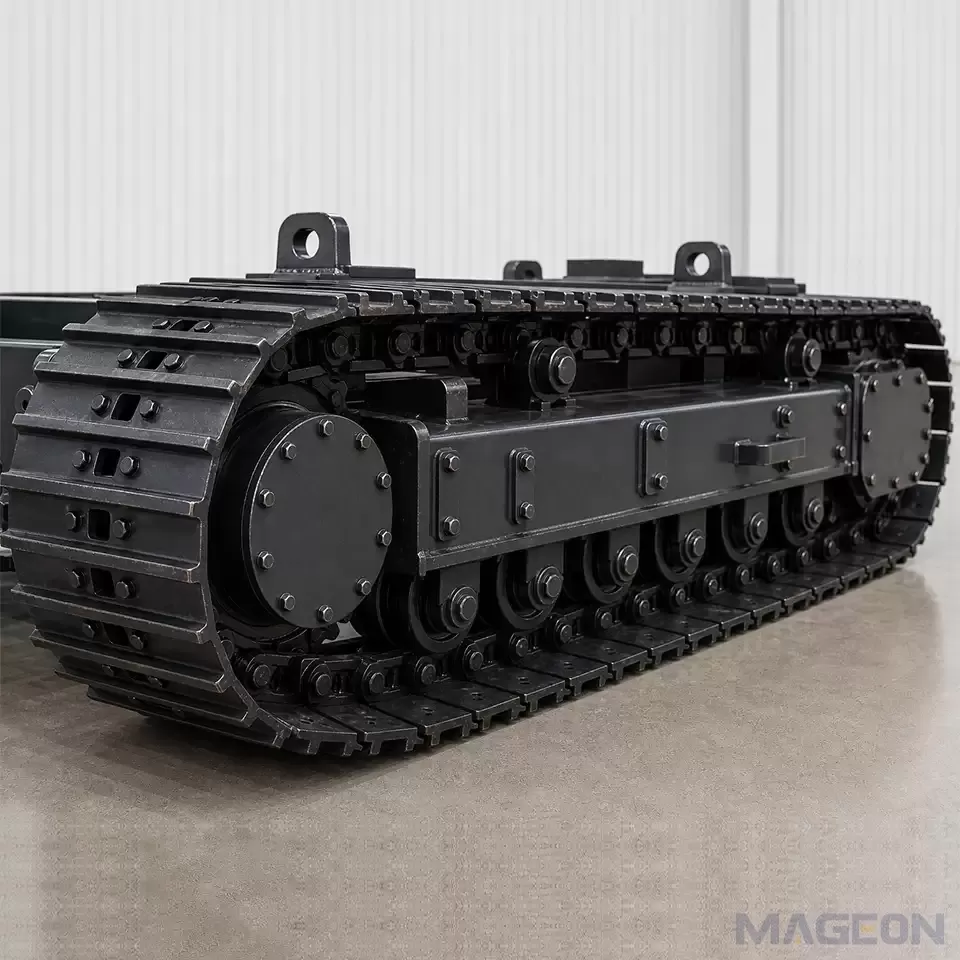
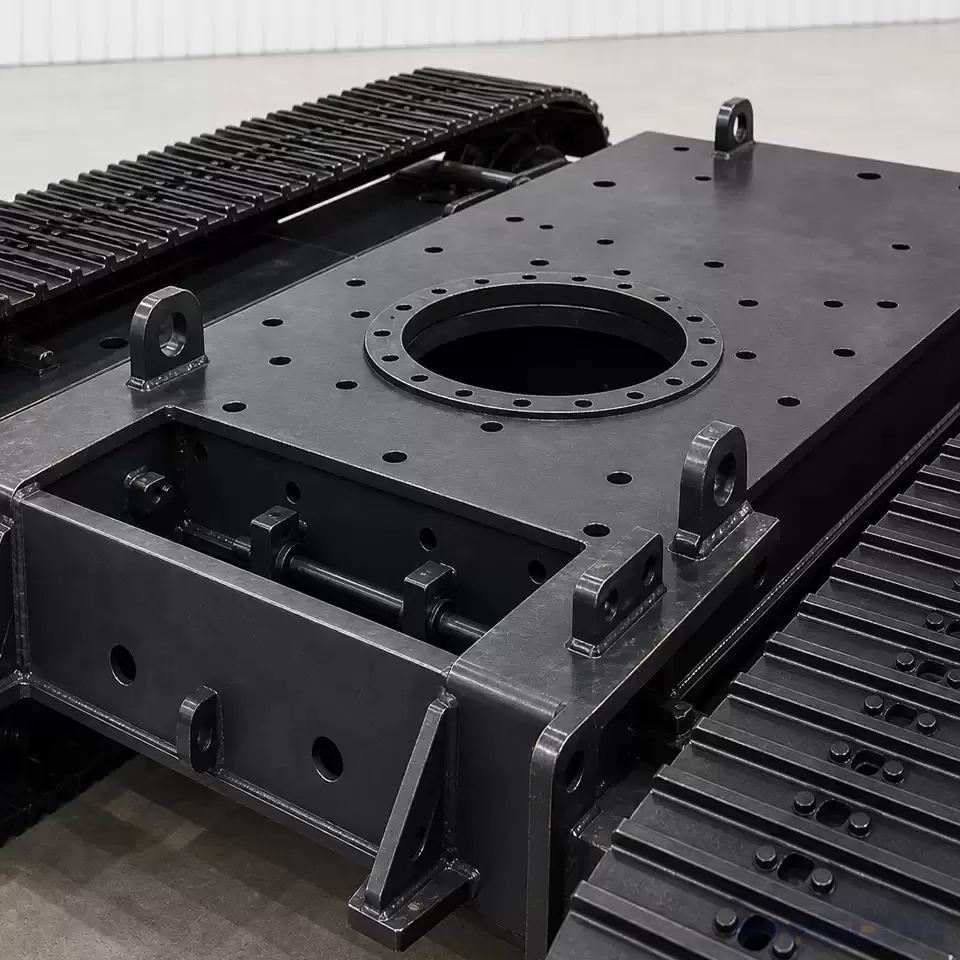
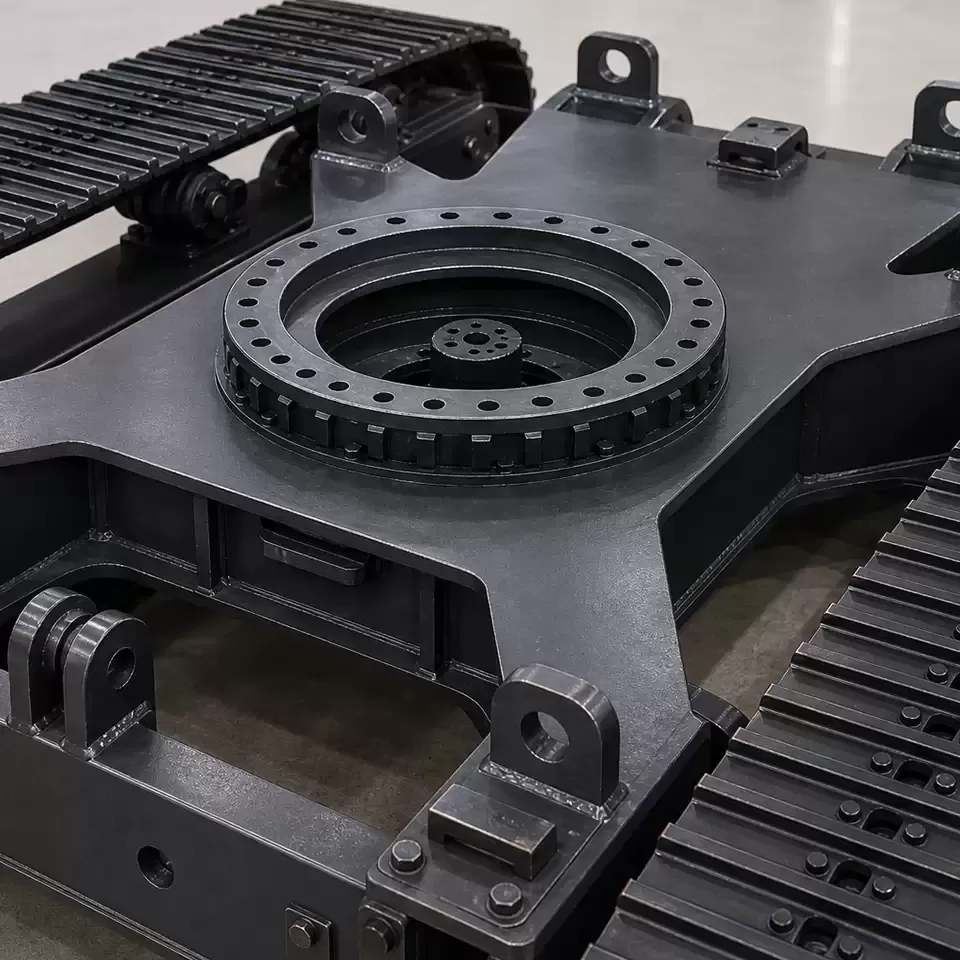
Supply the crawler undercarriage mounting dimensions with the current upper-machine layout so the interface is reviewed as a complete system. Include mass cases, key dimensions, attachment or upper-system positions, packaging space, drive and control interfaces, and maintenance access requirements.
The crawler undercarriage center of gravity should be treated as a project input, not an assumed result. Its relevance depends on the actual machine state and duty cycle. Current drawings and controlled operating information are more useful than generic comparisons between equipment classes.
For each input, state both the current source and its status. For example, distinguish a controlled layout drawing from a concept sketch, and identify whether a mass case represents an empty, working, or travel condition. This does not require the article to calculate a final design value. It makes clear which information a technical team can review now and which information must be completed before a configuration conclusion is made.
Research on mobile concrete pumps models the pump and boom as connected dynamic subsystems. The cited work studies truck-mounted equipment, so it only supports the system-boundary principle; it does not provide transferable parameters or conclusions for a crawler-mounted machine. A test rig and numerical model for investigating truck mounted concrete pumps
Plan Project-Specific Verification
Use a verification plan that matches the claim being assessed. An undercarriage review can address layout, interfaces, mass cases, and operating conditions. Pumping, boom, safety, and compliance questions may require other whole-machine evidence or disciplines. One check should never be described as completing all of them.
Keep the decision record explicit: state the system, available project data, intended review method, and remaining confirmation. This prevents a preliminary design input from being mistaken for a validated performance result.
A concise verification record can use four questions: what decision is being assessed, which machine state is represented, what evidence is available, and what remains open. The undercarriage integration review may use layout and duty-condition information. Pump-system verification may require separate system data. Safety and compliance review may require a different responsible team and applicable requirements. Recording those boundaries is more useful than implying one general test confirms the full machine.
Prepare an OEM Technical Evaluation Package
Provide the equipment function, working and travel states, operating mass cases, key dimensions, upper-machine layout, interfaces, site conditions, and known pump-system requirements for a technical evaluation. MAGEON is a custom crawler undercarriage manufacturer and supplier; the evaluation clarifies undercarriage-related inputs for the project.
Also identify the document version, the owner of each unresolved input, and the next confirmation step. That discipline helps procurement, engineering, and project teams work from the same controlled information package. It also prevents an early inquiry from becoming a claim that the equipment has completed a stability, pumping, or compliance assessment.
Frequently Asked Questions
Does a crawler undercarriage confirm pumping performance?
No. Pumping performance is a whole-machine system matter. The undercarriage evaluation focuses on the integration inputs that must be reviewed for the actual equipment.
What should be prepared before technical evaluation?
Prepare function, mass cases, layout, dimensions, interfaces, site conditions, work cycle, and known pump-system requirements.
Can a concrete-pump standard approve the full machine configuration?
No. Standards have defined scope. A final project conclusion requires the actual machine definition, applicable requirements, and responsible engineering confirmation.
Why separate working and travel states?
They can involve different machine conditions and inputs. Recording them avoids treating one operating state as representative of the full duty cycle.
Does the article recommend a final crawler configuration?
No. It explains the inputs and responsibility boundaries needed before a project-specific configuration can be reviewed. A final decision requires controlled equipment information and the appropriate engineering confirmation.
Please leave your customization requirements, and we will contact you as soon as possible!
Leave your requirements, we'll get back to you within 24 hours.