How Do Carrier Rollers and Track Rollers Serve Different Roles in a Crawler Undercarriage?
Carrier rollers and track rollers work on different parts of the track loop. Track rollers support the lower run where the machine load is transferred through the track to the ground. Carrier rollers support and guide the upper return run between the sprocket and idler. OEMs should understand the difference because the two roller groups belong to one system but do not perform the same task.
This article explains system roles and project inputs. It does not specify roller quantities, dimensions, materials, seals, load ratings, component life, or a final undercarriage configuration.
Follow the Track Path First
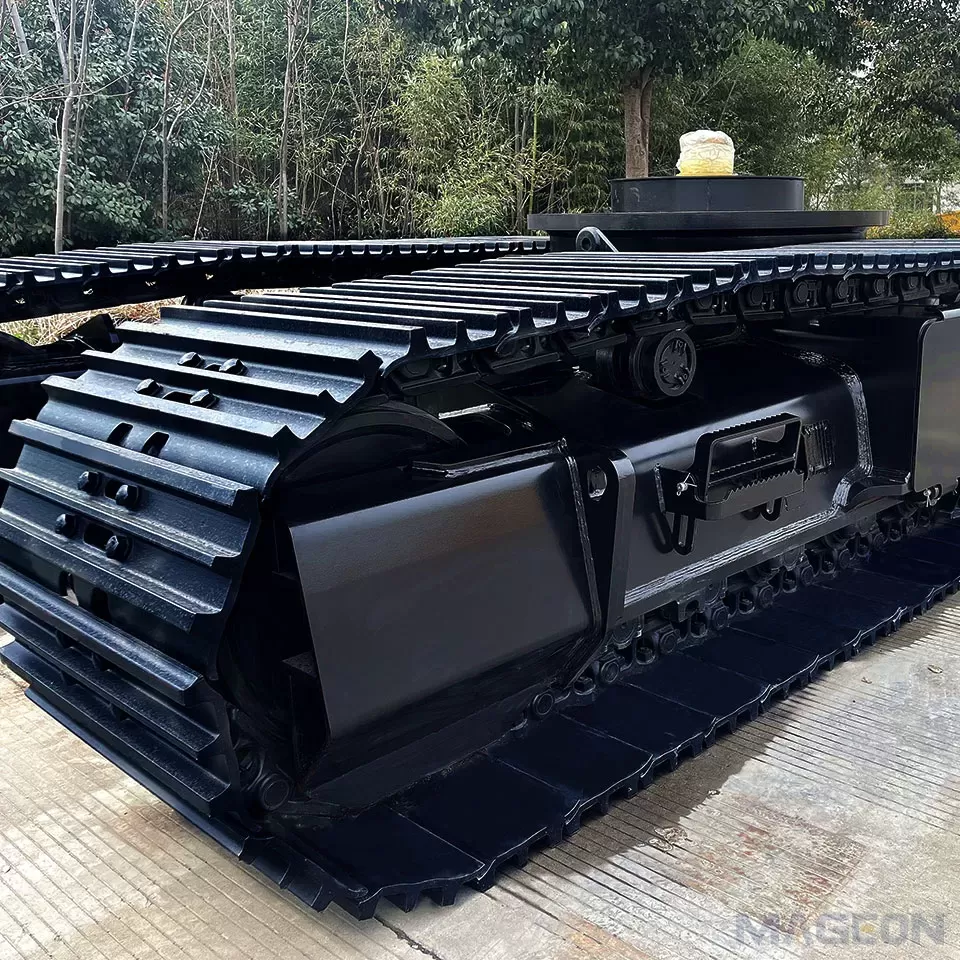
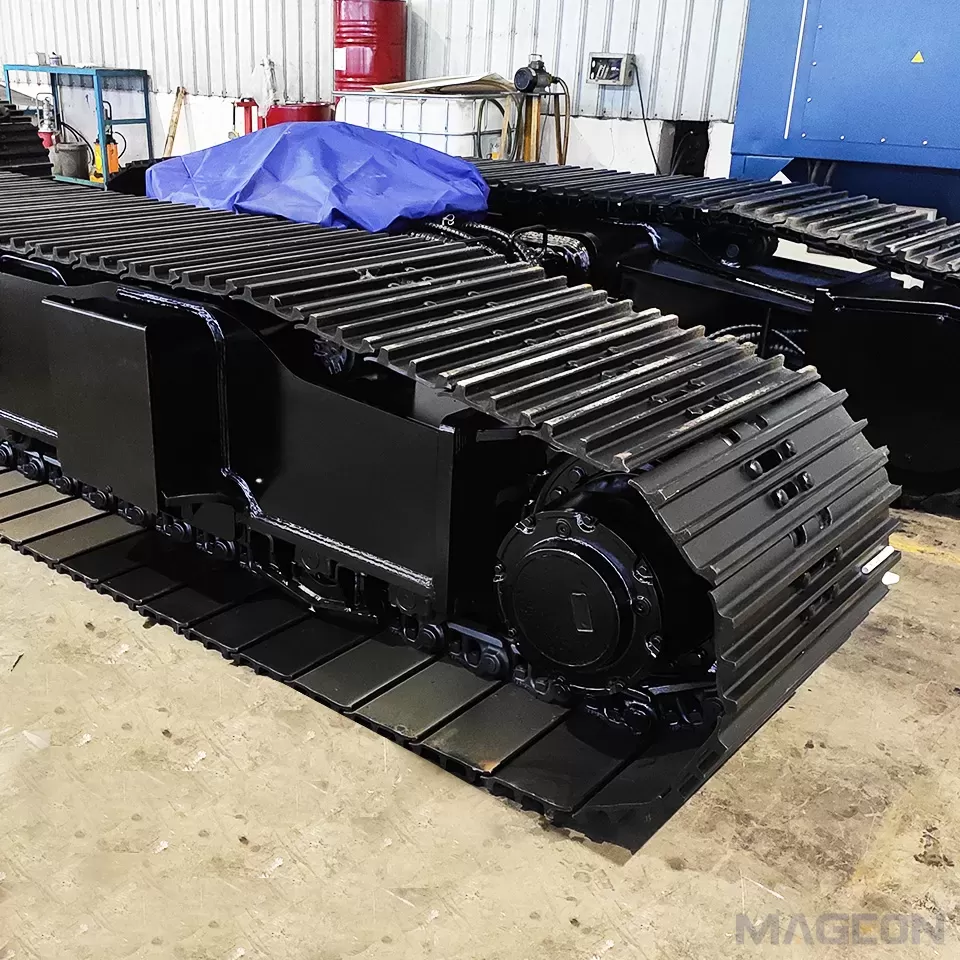
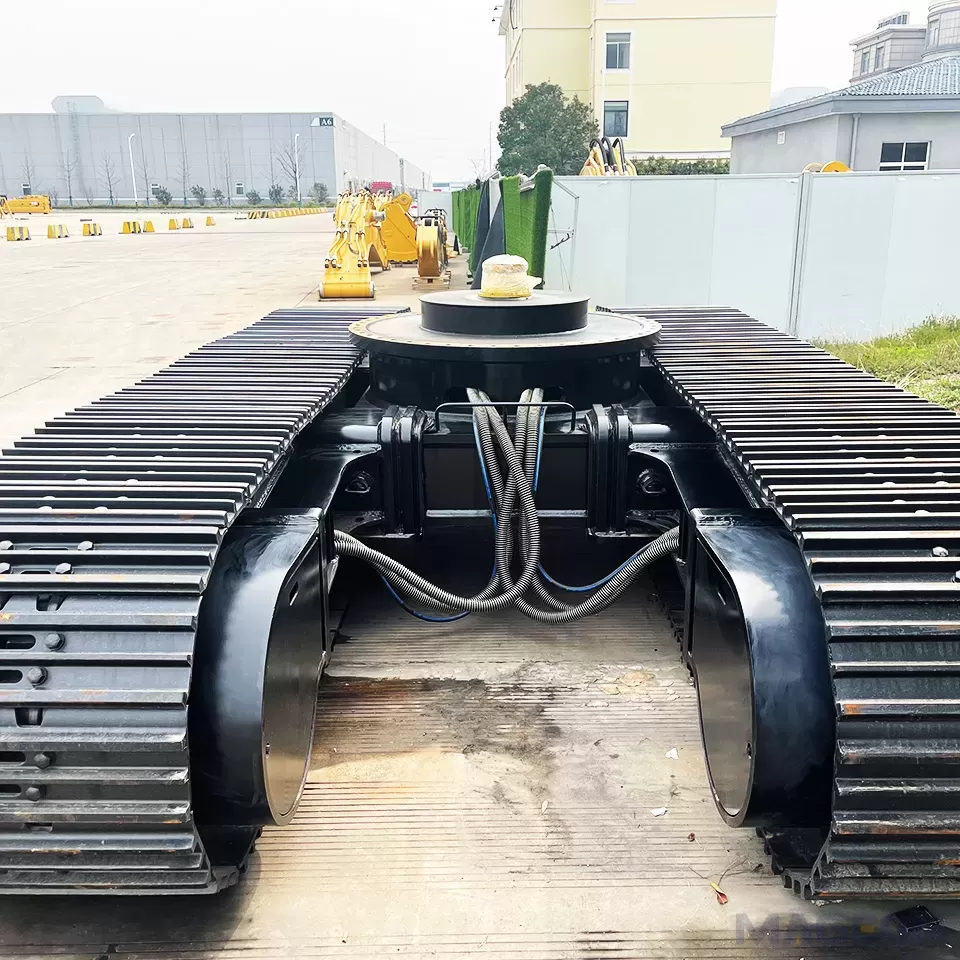
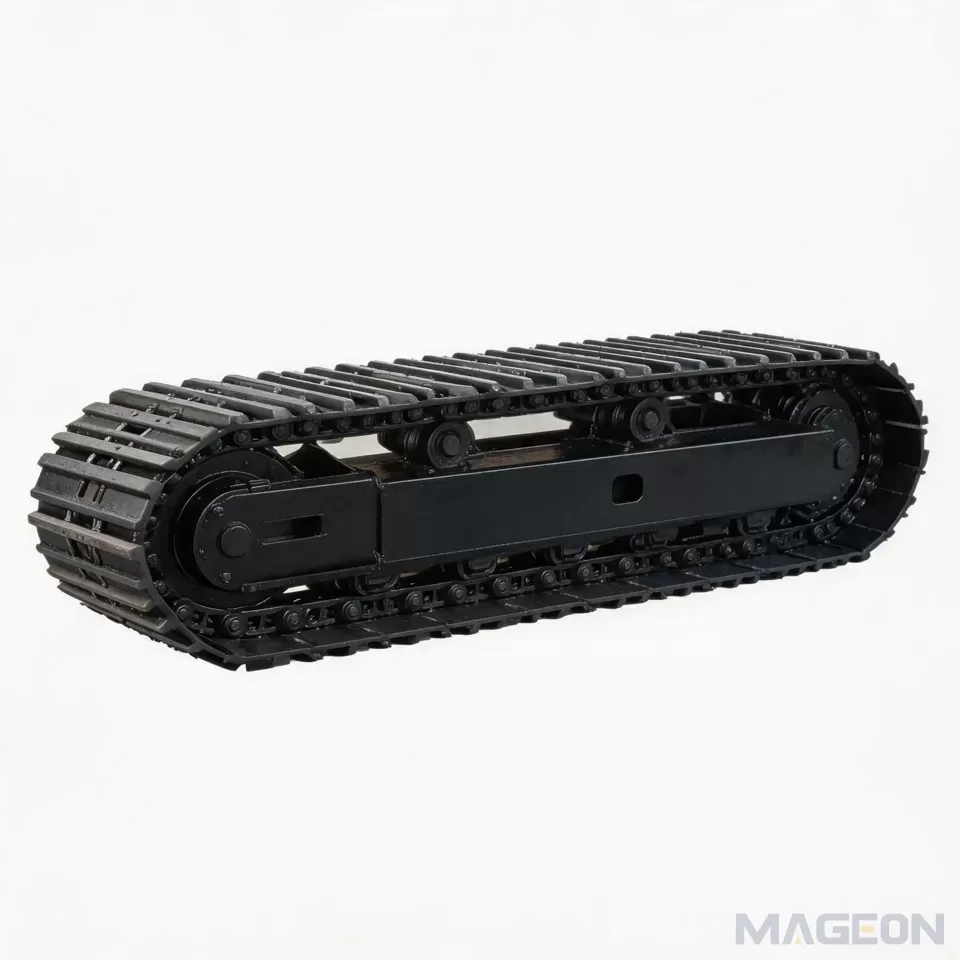
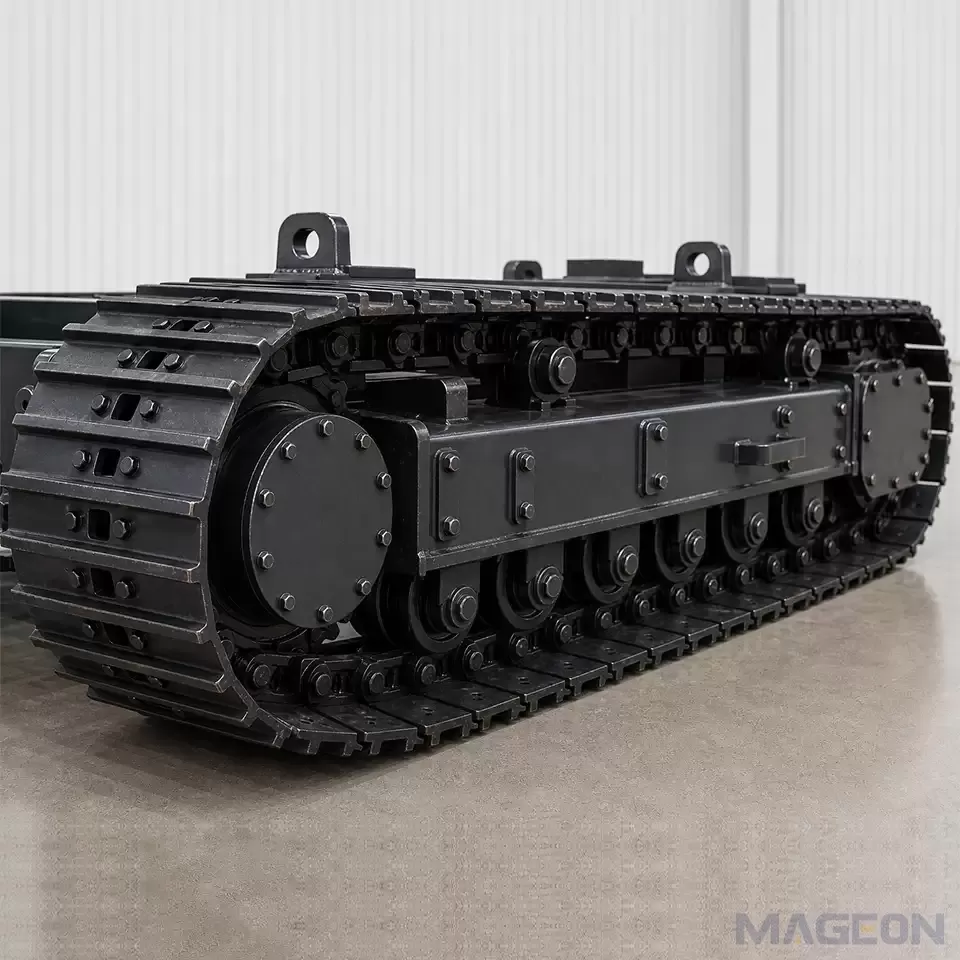
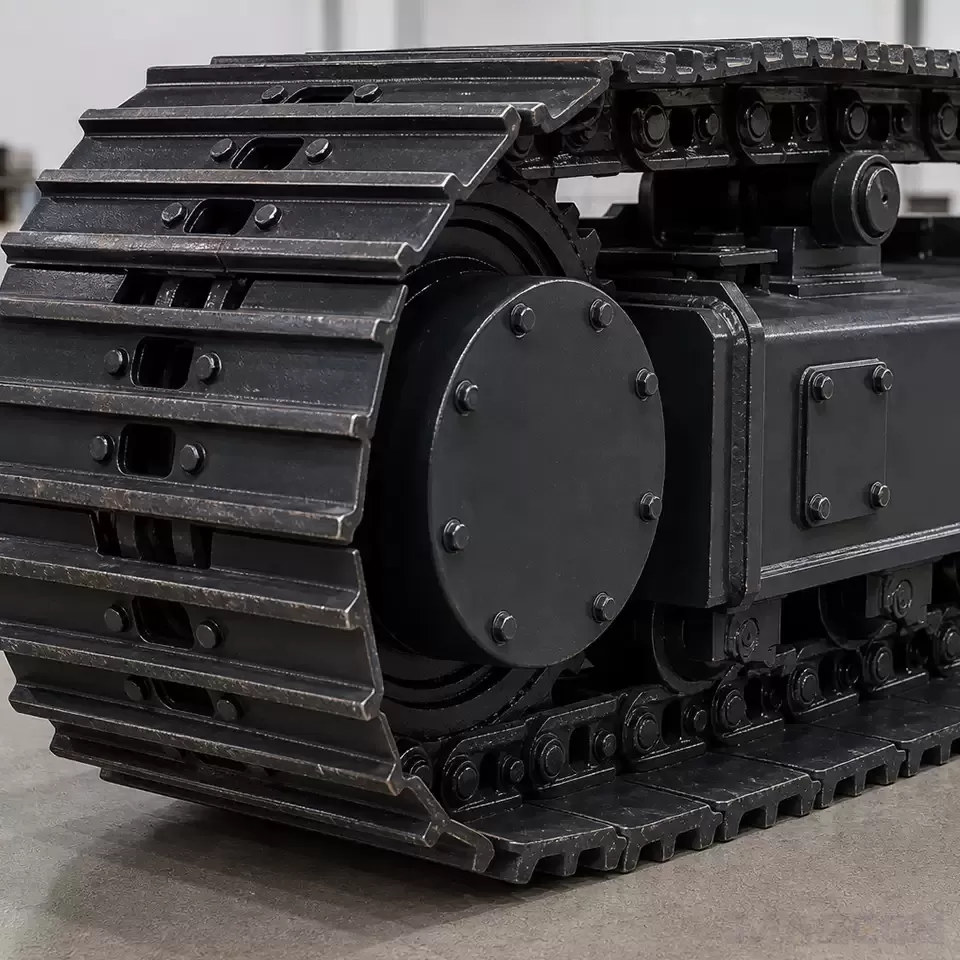
A crawler track forms a continuous loop around the sprocket, idler, and roller system. The lower run is the portion associated with machine support and ground contact. The upper run returns toward the drive end. Describing this path first helps avoid treating every roller as an interchangeable component.
A Komatsu undercarriage manual describes track rollers under the frame as distributing machine weight onto the track, while carrier rollers above the frame support the upper track loop and prevent excessive sag. This is a general relationship, not a transferable product specification. Komatsu UnderCarriage procedure manual
For a project review, treat the loop as three connected zones. The lower support run relates to the machine-to-track load path. The upper return run relates to how the track returns above the frame. The drive-and-guidance transition around the sprocket and idler connects those paths. A change to one zone can create a review question in another, which is why a roller discussion should include the complete path rather than only the visible component.
What Track Rollers Support
Track rollers, often called bottom rollers, are positioned beneath the track frame. Their system role is connected to the lower track run, the machine load path, and the relationship between the frame and track. The actual load distribution, roller arrangement, and contact conditions depend on the specific equipment, mass cases, operating state, and terrain.
For an OEM, useful project inputs include the upper-machine layout, operating mass cases, expected duty cycle, ground conditions, and the track roller layout. These inputs allow an engineering team to identify what needs review without assuming a final roller arrangement. A track roller should not be discussed as a stand-alone answer to stability, traction, or component-life questions.
What Carrier Rollers Support
Carrier rollers, also called top or upper rollers, support the returning upper track run. Their role is related to the upper track path and the system relationship with the sprocket, idler, track frame, and track chain. The number and form of carrier rollers are project-specific; a machine category alone is not enough to identify the correct version.
Public technical material from parts suppliers similarly describes carrier rollers as supporting the upper return and advises using component data or drawings for identification. That is useful as a system principle, but it is not evidence of MAGEON component geometry or compatibility. Carrier Rollers for Excavators and Crawlers
Review the System Inputs Together
Carrier rollers and track rollers should be reviewed as part of the full track system. The crawler idler and tensioning device, track chain, sprocket, guides, frame, and operating conditions all help define the relevant project discussion. A single component cannot confirm the final behavior of the complete undercarriage.
| System role | OEM inputs to prepare | |
|---|---|---|
| Track rollers | Support the lower track run and participate in the machine-to-track load path. | Operating mass cases, layout, duty cycle, terrain description, and track roller layout. |
| Carrier rollers | Support and guide the upper return run. | Upper track path, frame layout, chain information, mounting data, and maintenance access. |
| Roller group | Do not infer from the role alone |
|---|---|
| Track rollers | Final roller count, load rating, stability result, component life, or ground-performance conclusion. |
| Carrier rollers |
What Changes the Review for Different Equipment States
The relevant review can change when the equipment changes state. A travel condition, a working condition, an attachment position, or a maintenance-access requirement may each require different layout or mass information. The purpose is not to create a generic rule for every machine. It is to ensure that the project record identifies which state the engineering team is reviewing.
For example, the project team should separate controlled mass cases from preliminary estimates, identify the applicable upper-machine layout, and state whether the duty includes repeated terrain changes or confined access. These inputs help frame the roller-system discussion without claiming that one roller group determines the result. They also make the eventual technical evaluation traceable to the equipment state that was actually supplied.
SAE work on crawler undercarriage modelling treats rollers, shoes, idlers, sprockets, and configuration as connected elements in the load path. It supports a system-level review, not a universal roller design rule. Modeling Tracked Vehicle to Determine Undercarriage Performance
Prepare a Technical Evaluation Request
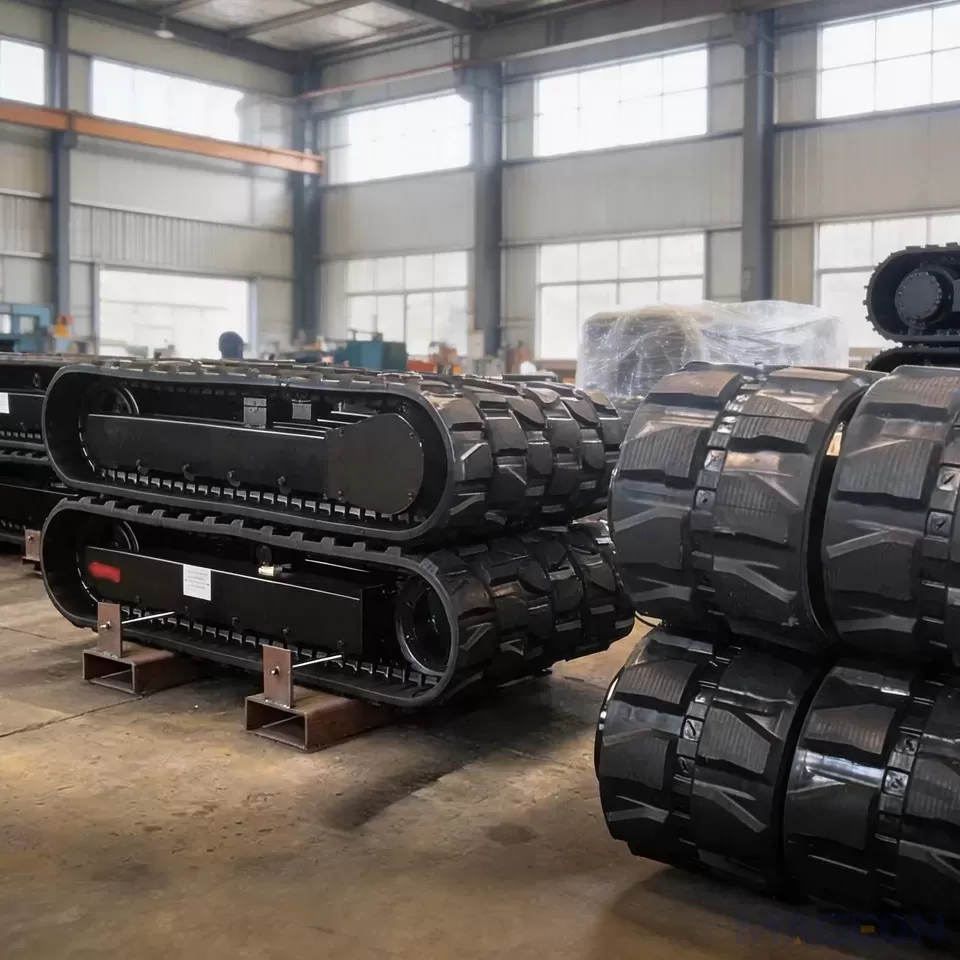
Provide equipment function, operating mass cases, key dimensions, upper-machine layout, track path, expected duty cycle, terrain description, mounting information, and maintenance-access requirements for a technical evaluation. MAGEON is a custom crawler undercarriage manufacturer and supplier; a project review can clarify the undercarriage inputs that still require confirmation.
Include the document version for each drawing or data sheet, a list of mass cases, the known track-path or layout constraints, and the owner of every unresolved input. State the next confirmation step instead of treating a concept drawing as final data. This gives engineering and procurement teams one controlled package for the discussion and preserves the boundary between an input review and a completed configuration.
Frequently Asked Questions
Are carrier rollers and track rollers interchangeable?
No. They support different parts of the track path and have different system roles. Correct identification requires the project layout and component information.
Do track rollers alone determine machine stability?
No. Stability-related conclusions require the full equipment layout, mass cases, operating conditions, and project engineering review.
How many carrier rollers are required?
There is no universal number. It depends on the specific undercarriage and equipment configuration.
What should an OEM provide for technical evaluation?
Provide the equipment layout, mass cases, dimensions, track path, operating conditions, interfaces, and maintenance requirements.
Does this article specify component life or compatibility?
No. Component life and compatibility require approved project evidence and engineering confirmation.
Please leave your customization requirements, and we will contact you as soon as possible!
Leave your requirements, we'll get back to you within 24 hours.