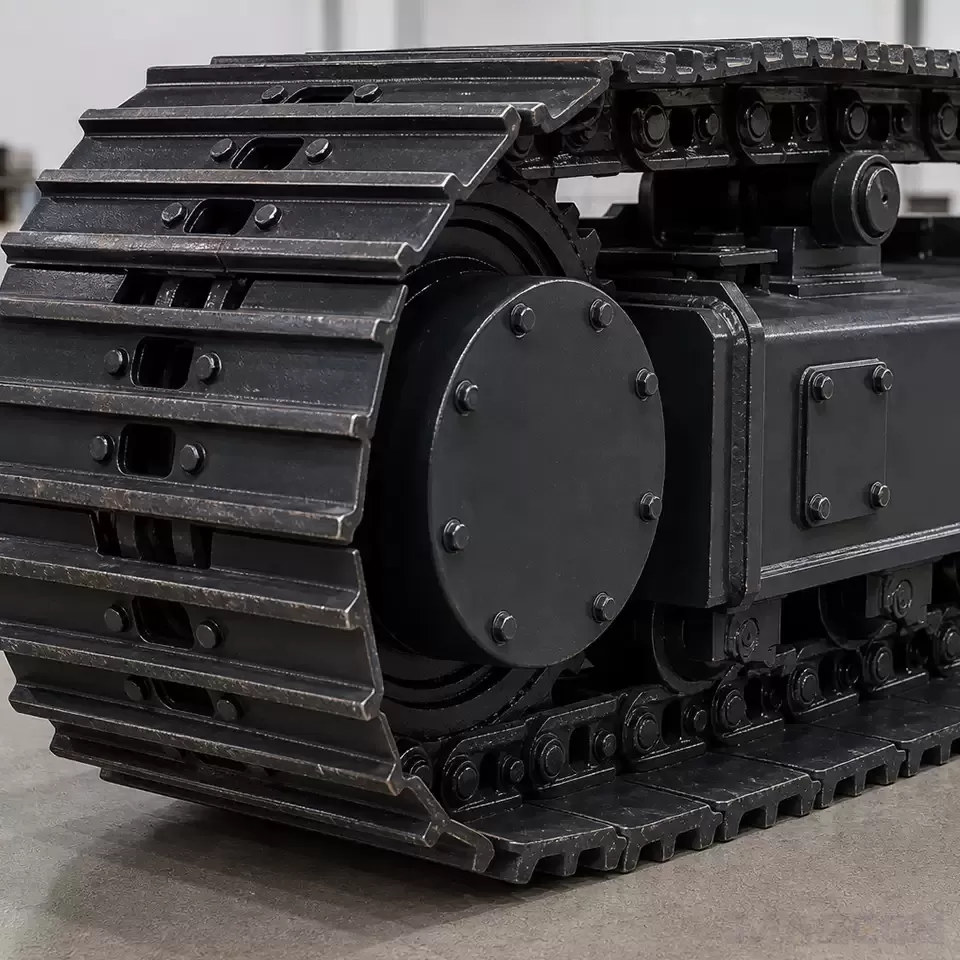

How Do Debris and Mud Clearance Affect Crawler Undercarriage Design Discussions?
Debris and mud clearance should be discussed as part of the operating condition, equipment layout, and maintenance plan for a crawler undercarriage. The question is not simply whether a machine can be cleaned after use. An OEM also needs to describe what material the equipment encounters, where it may accumulate, how often the condition recurs, and what access exists for inspection and cleaning.
This article provides a framework for project inputs. It does not establish a cleaning interval, component life, self-cleaning capability, seal performance, or final undercarriage configuration.
Why Debris Clearance Is More Than a Maintenance Detail
Loose material, packed mud, abrasive material, or rocks can be relevant because they change the conditions in which the track system operates and is inspected. The practical design discussion therefore includes the operating environment, expected buildup locations, work cycle, and the space available to reach relevant areas safely.
Manufacturer maintenance guidance can support this boundary without becoming a universal rule. Caterpillar lists checking for debris or packed mud as part of rubber-track daily checks, while also directing operators to the correct model-specific specifications for tension work. How to Maintain Cat® Rubber Tracks This supports recording material conditions; it does not prove that one maintenance practice applies to every crawler or OEM configuration.
Describe the Material and the Operating Cycle
Describe the material in operational terms. State whether it is loose, cohesive, abrasive, rocky, wet, or likely to adhere, and identify when the condition occurs. Include route changes, repeated passes, seasonal or weather-related variation where it changes the actual duty, and whether clearing or cleaning access is constrained by the equipment layout.
Avoid a generic statement such as “the machine works in mud.” A useful project description identifies the material, the relevant machine state, the expected frequency, and the locations where buildup is observed or anticipated. Where a fact is unknown, retain the item for project confirmation rather than inventing a likely condition.
Review the Affected Undercarriage Relationships
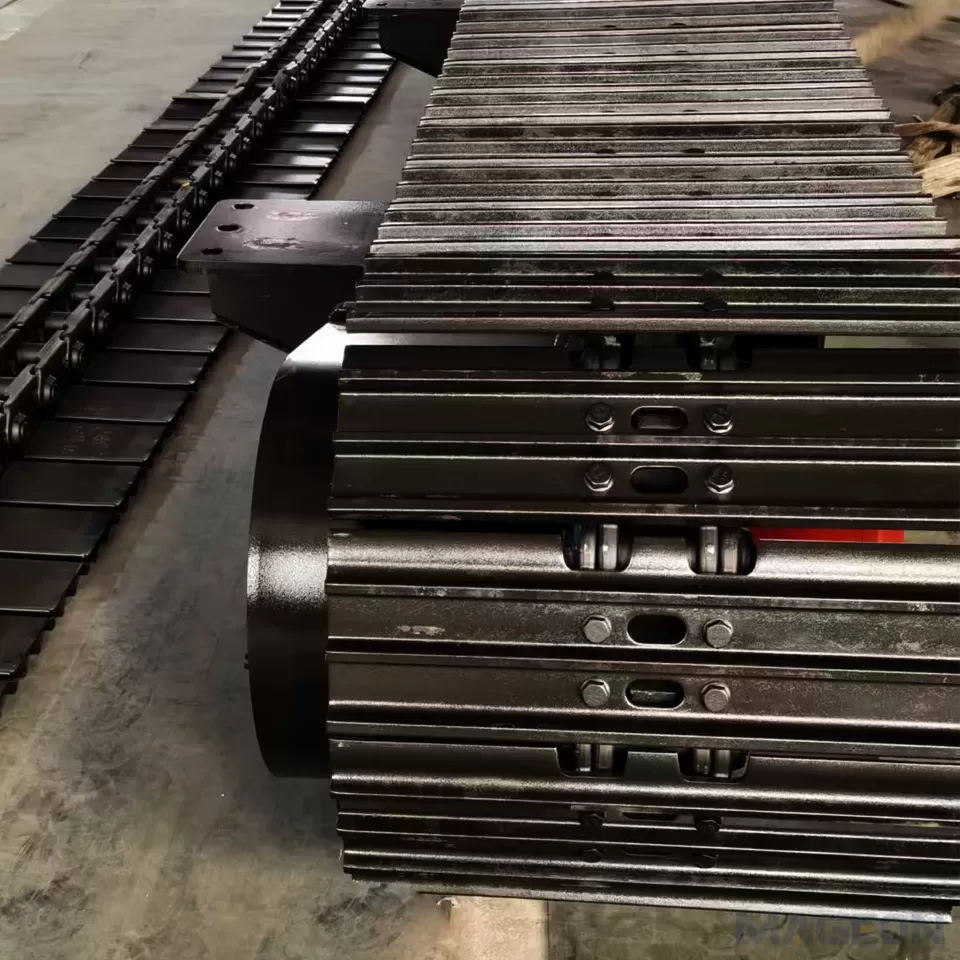
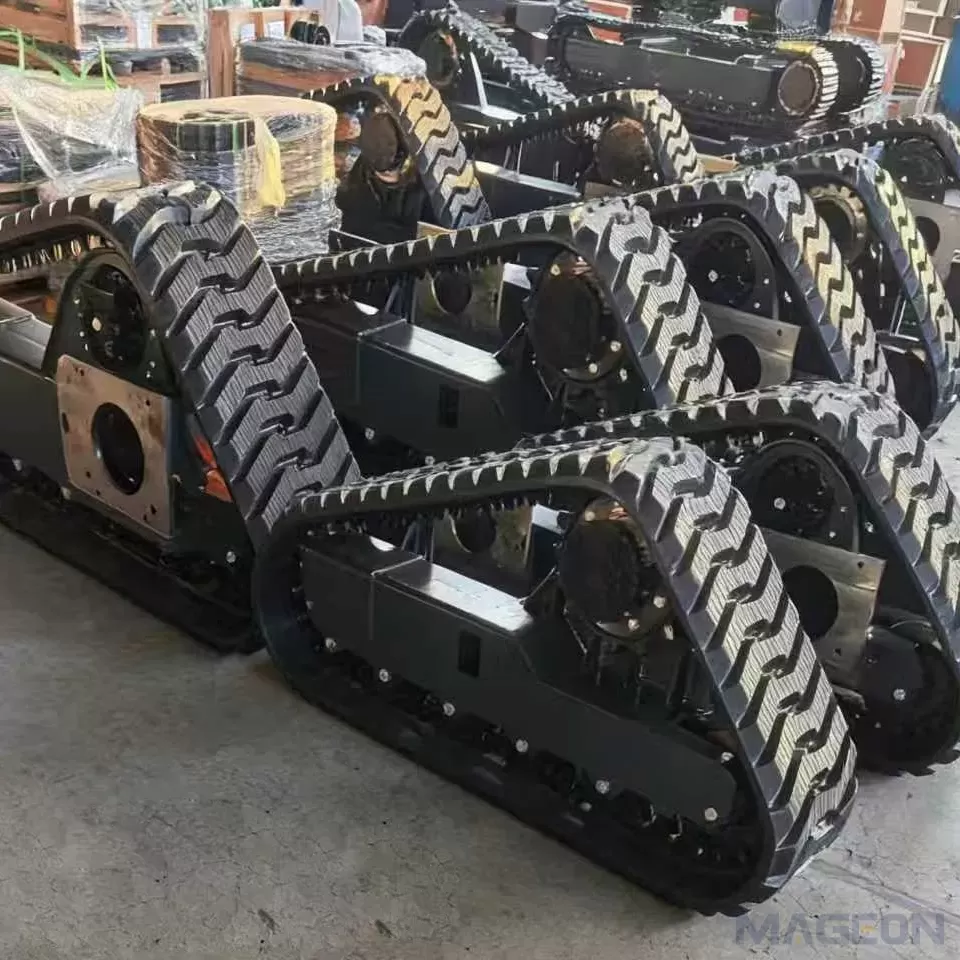
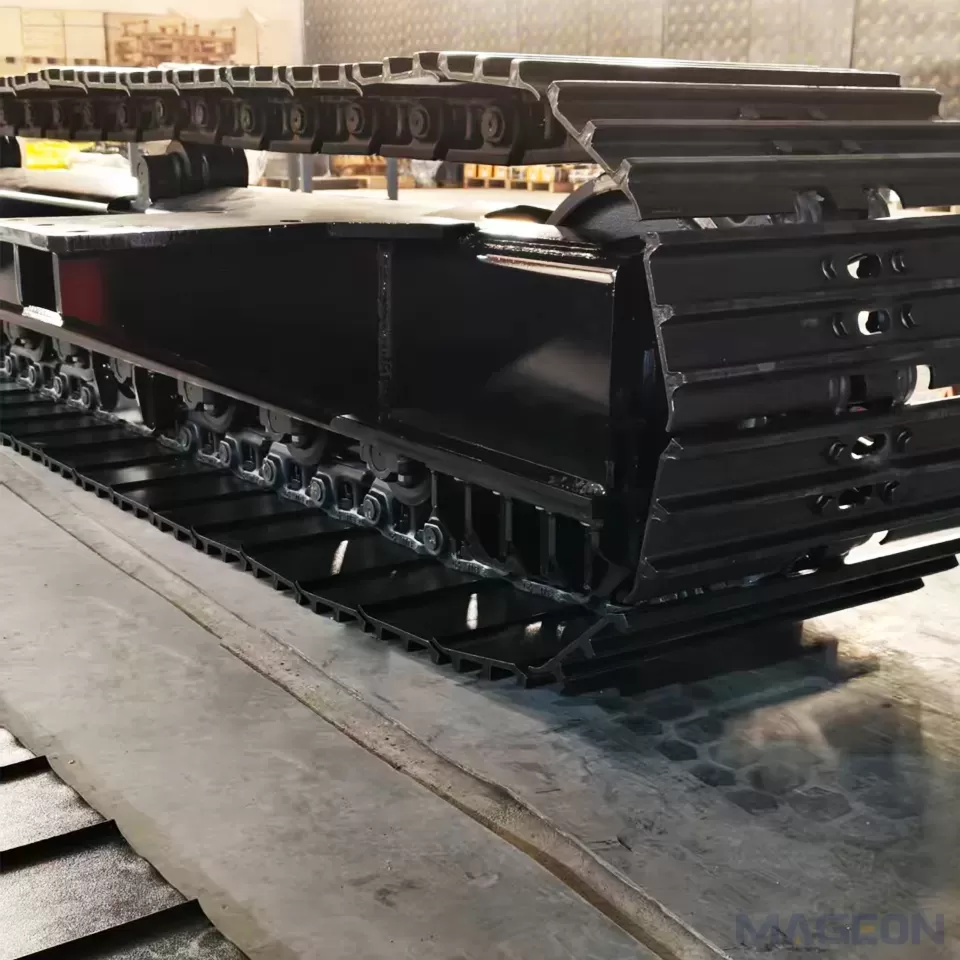
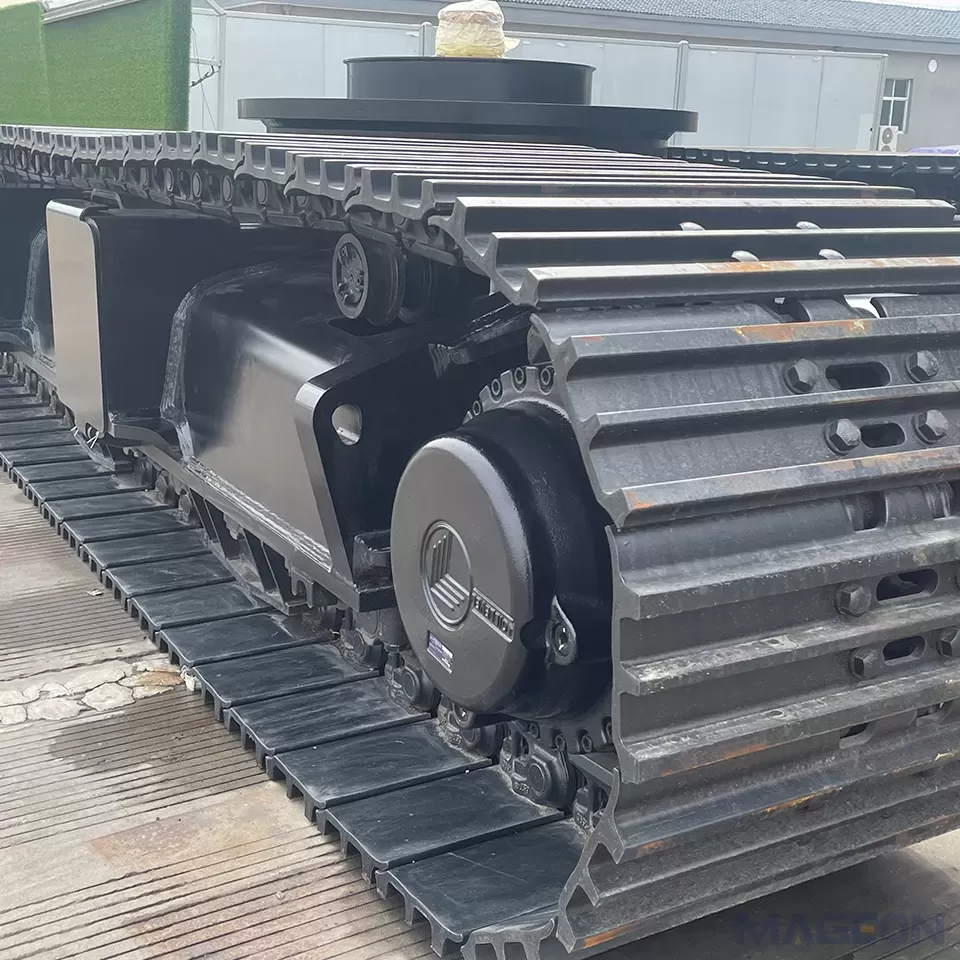
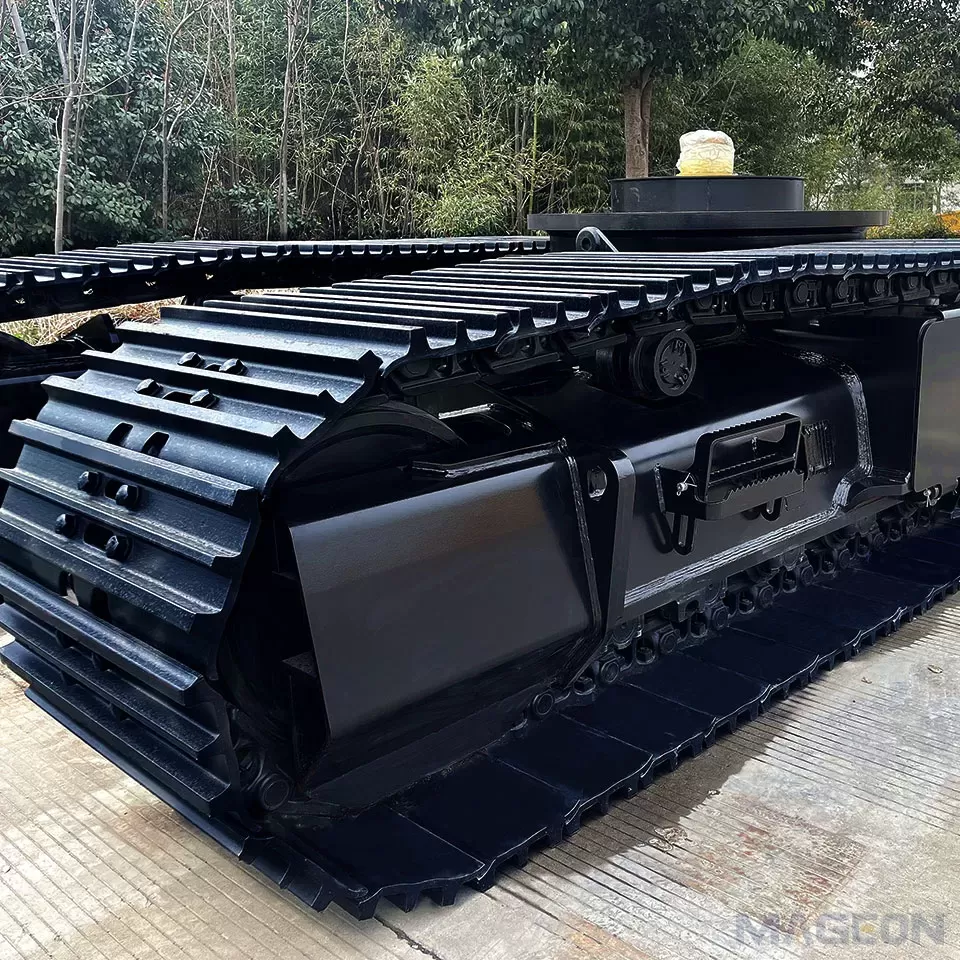
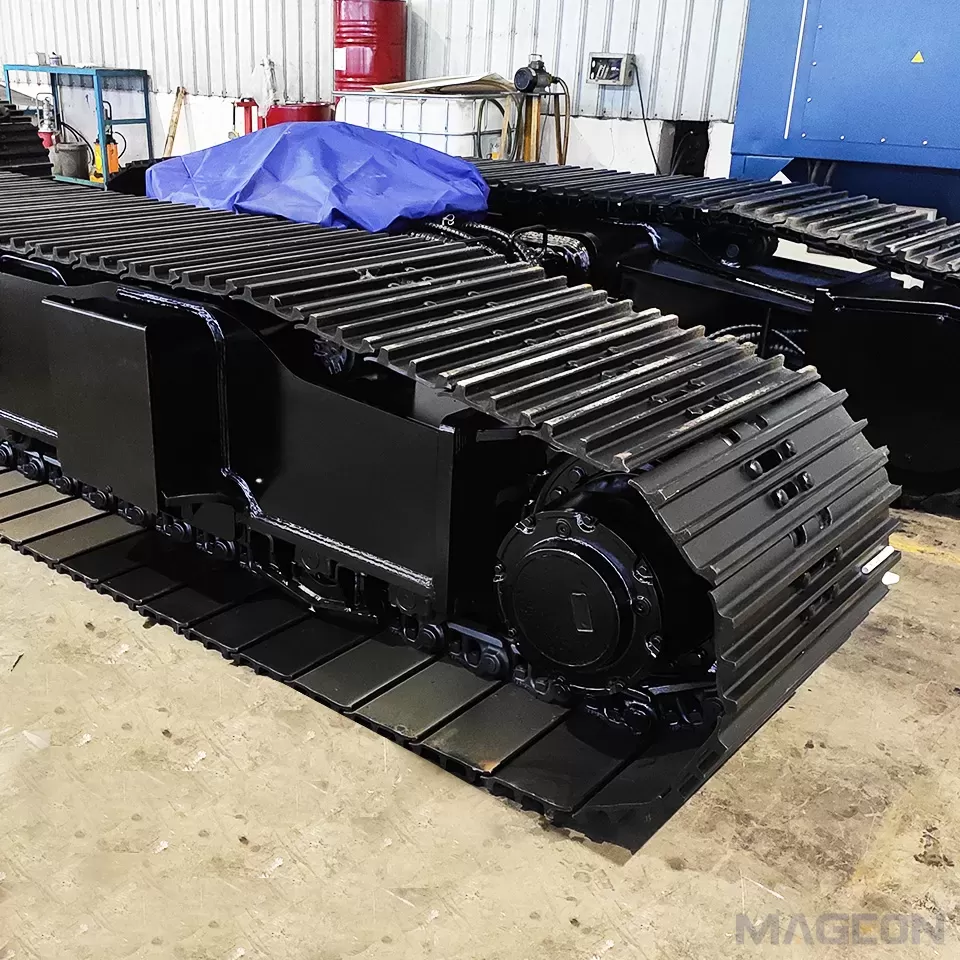
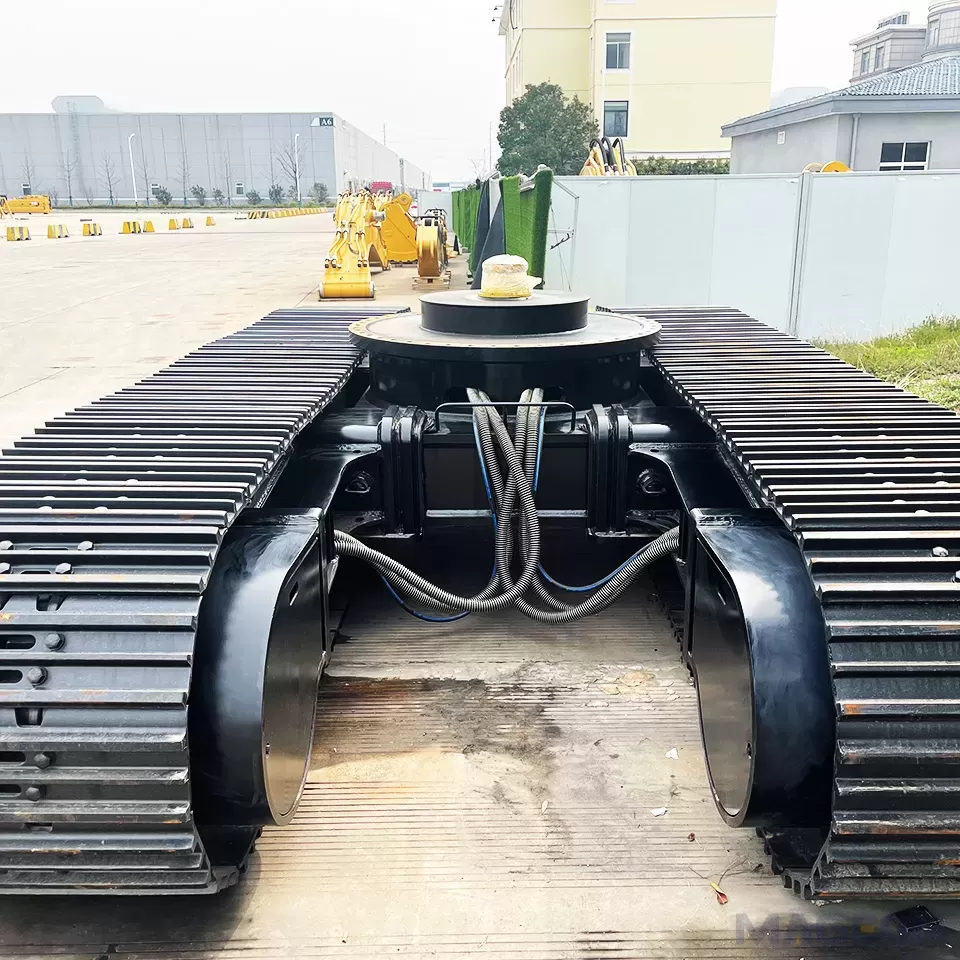
Material buildup should be considered in the context of the complete track system. The track frame, rollers, idlers, track chain, guide-related relationships, mounting layout, and maintenance access can all be relevant to the review. This does not mean that every project has the same issue or requires the same engineering work.
Crawler track tension should be reviewed in the actual operating condition rather than isolated from material buildup and the wider system check. The crawler idler and tensioning device should be considered with the rest of the track system when the project describes persistent material buildup. These are integration questions, not claims about a particular component design.
Technical work on crawler chain-guide design also treats ground conditions, chain position, roller wear, link wear, and operating actions as related inputs. Its specific load cases and structural findings remain specific to that research and must not be transferred to another machine. Influence of Discrete Load Cases on Optimization of Chain Guide Design of Crawler Dozers under Various Ground Conditions
Plan Access, Inspection, and Cleaning Conditions
Plan the information needed for access and inspection before the equipment enters a final configuration discussion. Caterpillar's dozer maintenance guidance, for example, advises removing mud and debris so rollers can turn properly. That is a manufacturer maintenance recommendation, not an approved MAGEON capability statement or a complete project procedure. Undercarriage for Dozers
| Confirmation question affected | Project confirmation method | |
|---|---|---|
| Material and buildup behavior | Where can material enter or remain in the relevant operating cycle? | Provide the site and material description with the duty cycle. |
| Expected occurrence | Is the condition occasional or recurring? | State work phases, route changes, and operating frequency. |
| Equipment layout and access | Which areas need inspection or cleaning access? | Review controlled layout information and service constraints. |
| Cleaning and inspection plan | What must be confirmed by the responsible project team? |
The resulting record should distinguish what the OEM knows from what must be observed during project development. That separation makes later review clearer and avoids treating an initial operating description as a completed maintenance instruction.
Crawler undercarriage wear patterns can be part of later inspection, but they do not replace describing debris conditions before a configuration is assessed. The goal is to make the input visible early enough for a project-specific discussion.
Prepare an OEM Technical Evaluation Request
Provide the equipment function, material description, duty cycle, layout, access constraints, and interface information for a technical evaluation. MAGEON is a custom crawler undercarriage manufacturer and supplier; the evaluation can clarify which undercarriage-related inputs still require project confirmation.
Do not replace missing material, access, or work-cycle information with a nominal value or a claim that the system is already suitable. A final configuration remains subject to the actual equipment, operating condition, and engineering review.
Frequently Asked Questions
Is debris clearance only a maintenance issue?
No. It is also an operating-condition and layout input. The project should describe the material, its frequency, where buildup may occur, and how inspection or cleaning access is expected to work.
Does packed mud always require the same solution?
No. The relevant response depends on the equipment, material, work cycle, layout, and responsible maintenance procedure. This article does not prescribe a universal design or cleaning method.
Should tension be discussed separately from debris conditions?
Not entirely. Tension is one part of a system review and should be considered using the actual operating condition and model-specific project information.
What should an OEM prepare for technical evaluation?
Prepare the equipment function, material description, work cycle, layout, access constraints, installation interfaces, and any known maintenance or inspection requirements.
Does this article establish MAGEON self-cleaning or durability performance?
Please leave your customization requirements, and we will contact you as soon as possible!
Leave your requirements, we'll get back to you within 24 hours.