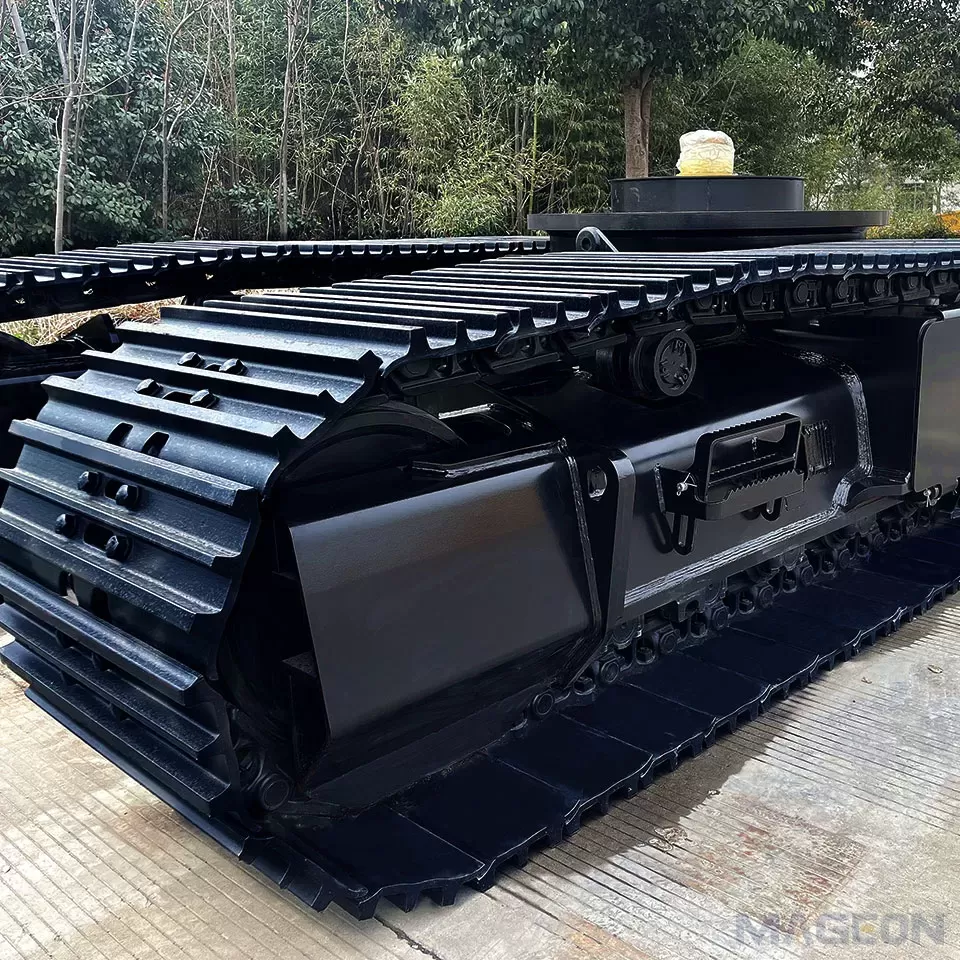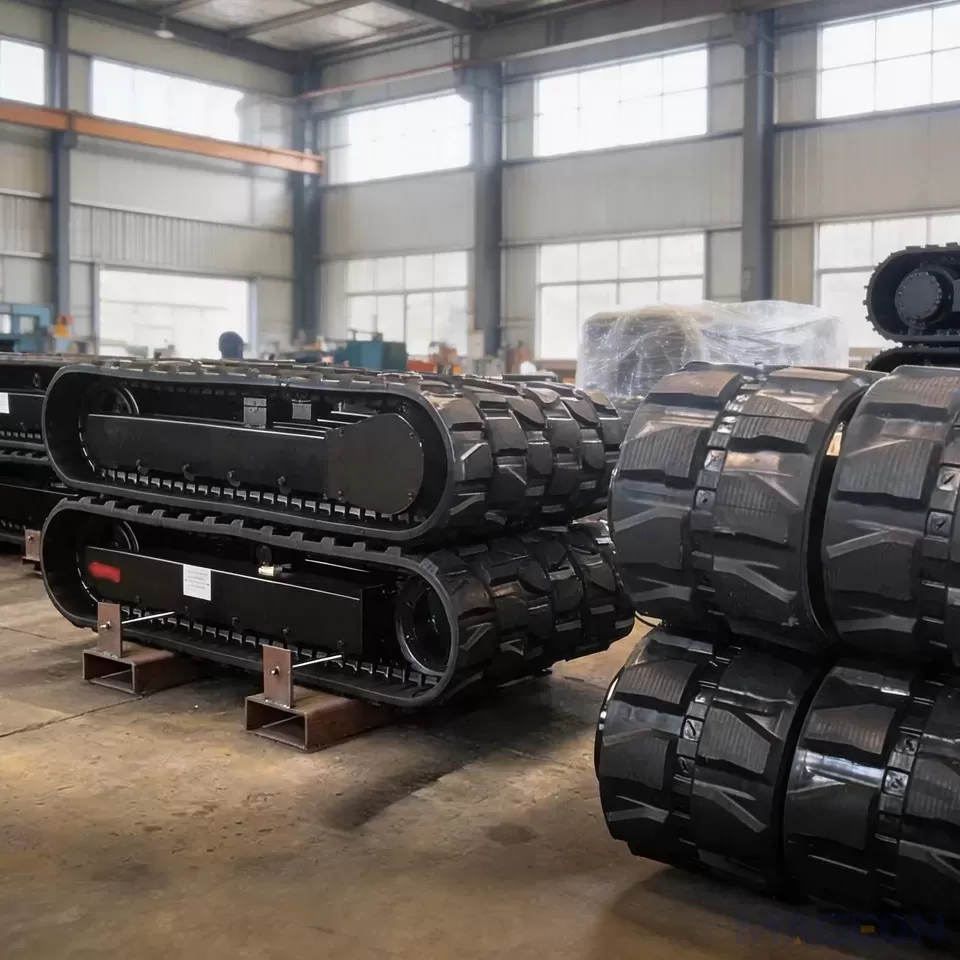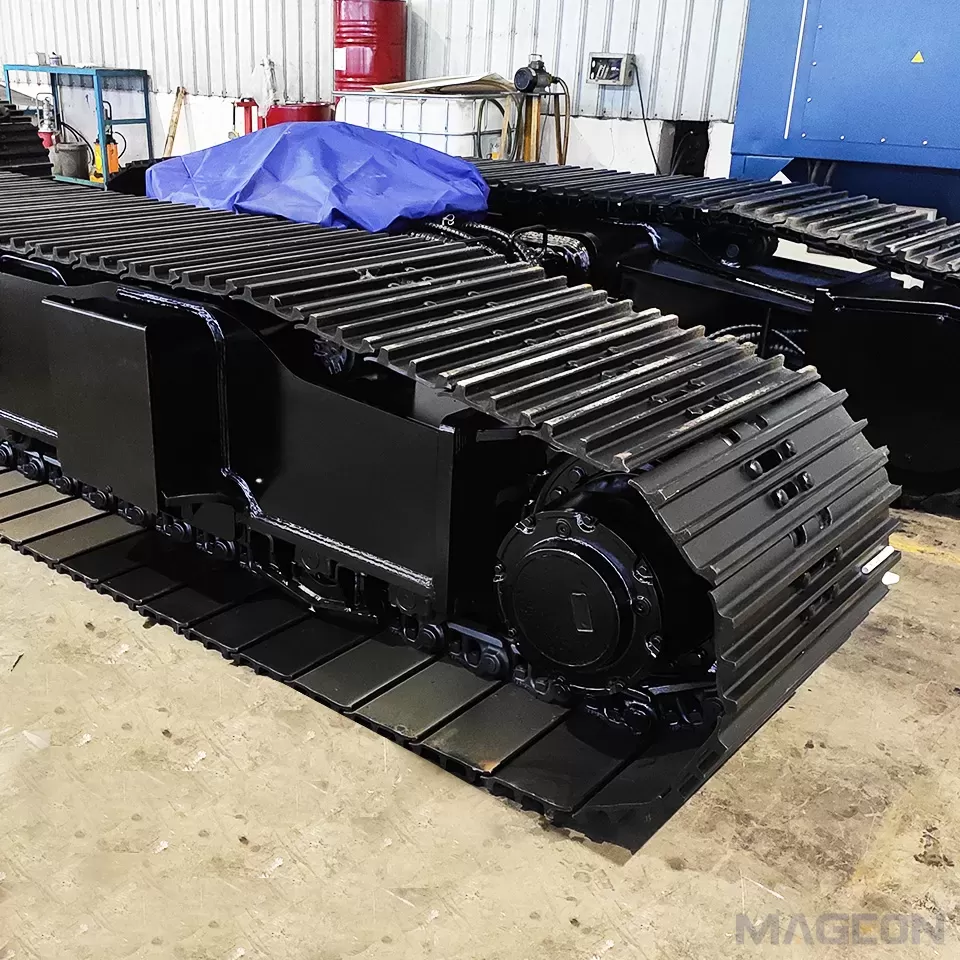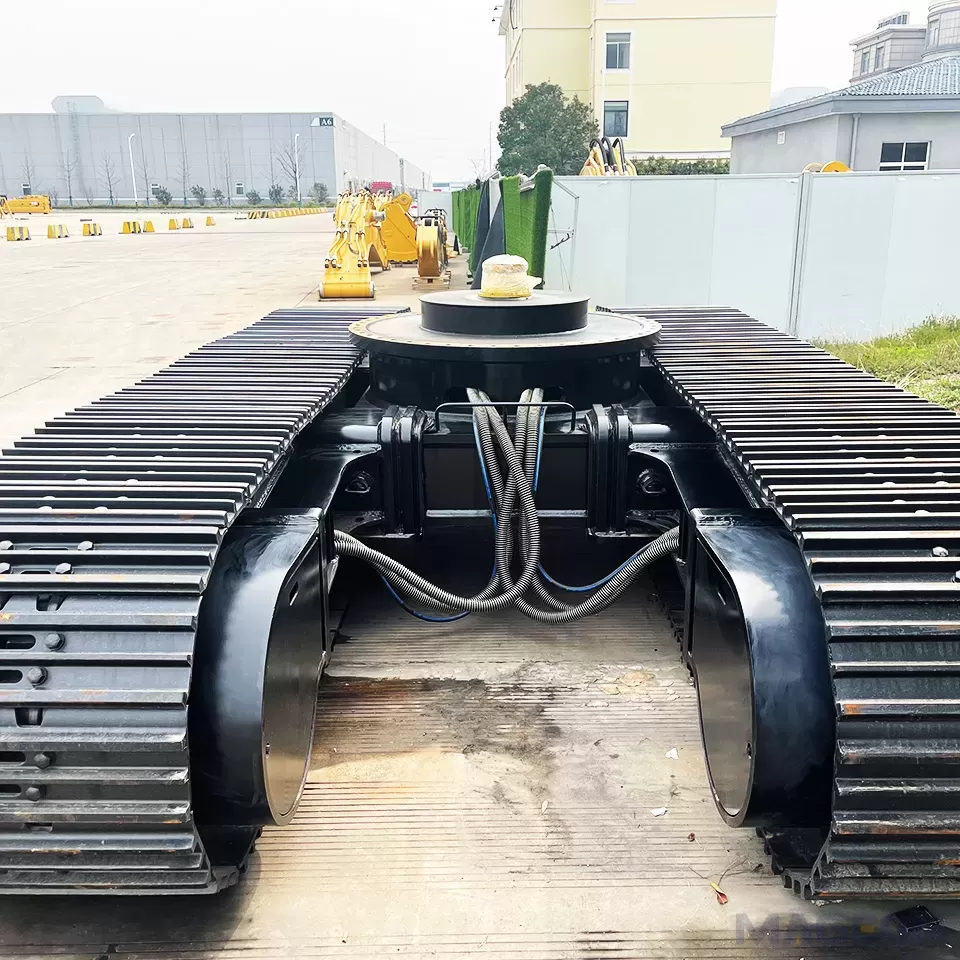
How Should Crawler Equipment OEMs Plan Service Data Around Telematics Standards?
Crawler equipment telematics data can make service information easier to exchange and organize, but it does not by itself diagnose an undercarriage component or approve a maintenance decision. OEMs should plan a clear path from machine data to maintenance records and then to engineering review. That distinction is especially important when several parties own different parts of the equipment, service process, or data environment.
Why Telematics Data Standardization Matters for Crawler Equipment
Crawler equipment is often supported by more than one organization: the machine OEM, the fleet or owner, the maintenance provider, and component suppliers. Each party may hold useful information, yet the information can be difficult to compare when machine identifiers, event definitions, time bases, or record formats differ.
Standardized data exchange can reduce this friction. ISO/TS 15143-3 describes a communication schema for sharing specified mobile-machinery status data from a telematics provider's server with customer applications. Its stated scope includes data used for machine-performance and machine-management activities related to operation or maintenance. ISO/TS 15143-3:2020
For an OEM, the decision is not simply whether to collect more data. It is whether every data item has a defined source, meaning, owner, retention rule, and permitted use. Without that structure, additional data can create conflicting service histories rather than better decisions.
What ISO/TS 15143-3 Does—and Does Not—Cover
ISO/TS 15143-3 is useful as a data-exchange reference point for certain earth-moving and mobile road-construction machinery with location and time instrumentation. It concerns communication between a telematics provider's server and customer applications. The ISO description explicitly excludes on-board data collection, on-board communication protocols such as CAN bus, and the wireless transmission that occurs after data has been collected.
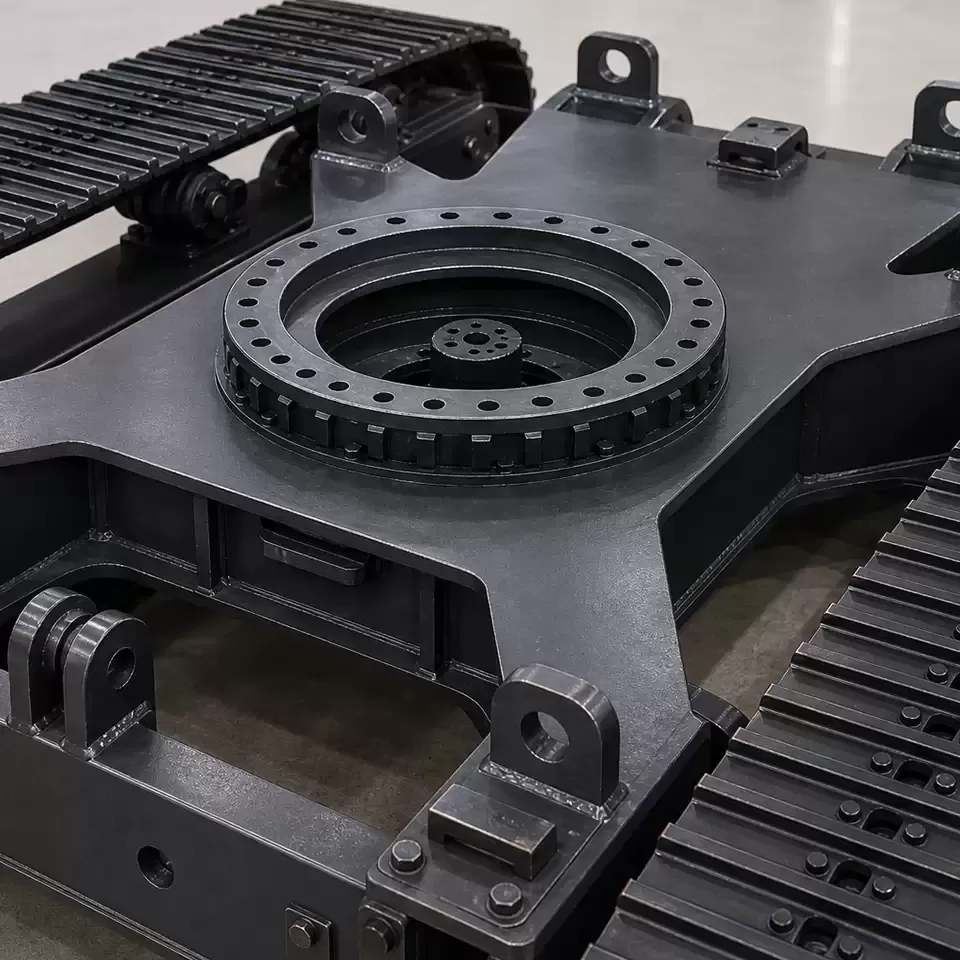
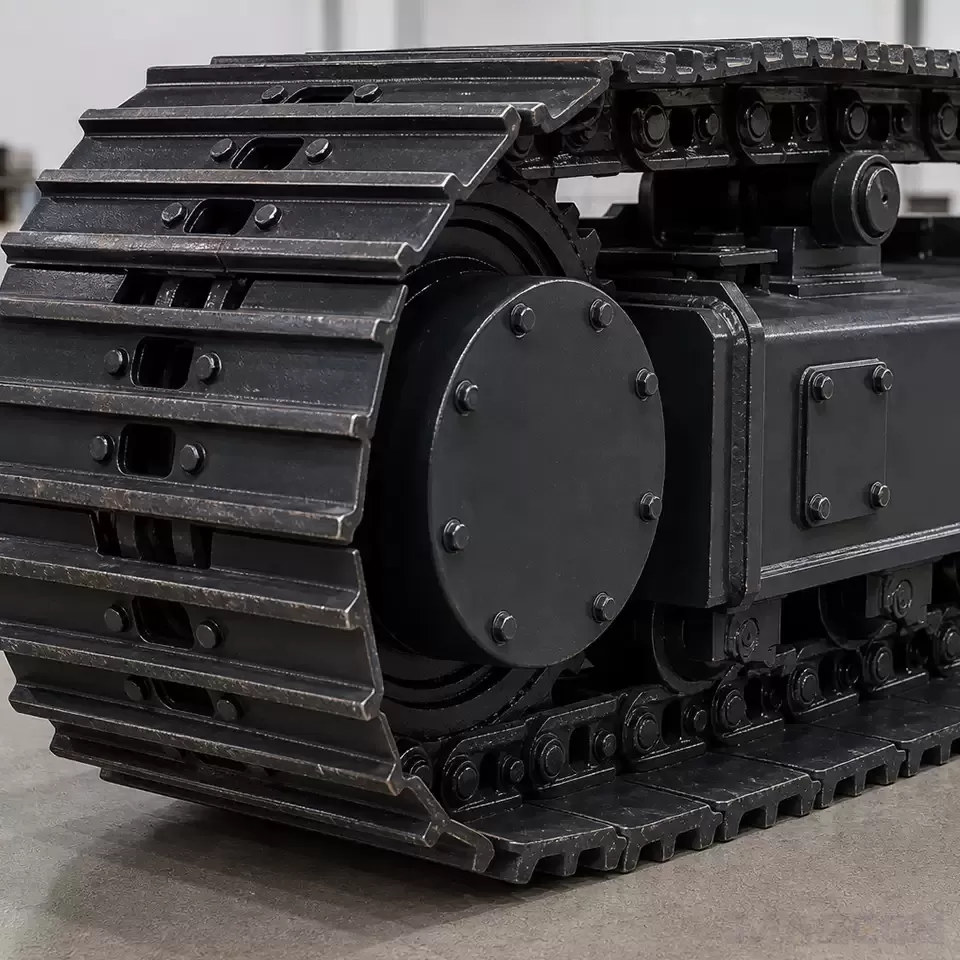
This scope matters for crawler equipment service planning. A data-exchange schema does not select a sensor, prove that a sensor is correctly installed, establish a component threshold, or verify a machine configuration. It also does not turn a generic machine event into a confirmed condition of a track chain, roller, sprocket, idler, tensioning device, or track frame.
OEMs should therefore treat the standard as one layer in an information architecture. Project drawings, service procedures, inspection records, engineering instructions, and component data remain separate evidence layers. A standard can help information travel between systems; it does not remove the need to evaluate the information in context.
Separate Machine Data, Maintenance Records, and Engineering Decisions
The strongest service-data model keeps three categories distinct. Machine data describes what a system records. Maintenance records describe what people inspected, adjusted, replaced, or observed. Engineering decisions explain what the evidence supports and what action is authorized.
| Typical source | Appropriate use | What it cannot establish alone | |
|---|---|---|---|
| Machine operating data | Telematics provider or machine-control system | Asset identity, operating time, location or status where available, and event context | Component wear condition, root cause, remaining life, or repair approval |
| Maintenance record | Technician, operator, or service provider | Inspection findings, adjustments, parts replaced, and work history | Whether a result applies to another machine or duty cycle |
| Engineering decision | OEM or qualified engineering process | Evaluation criteria, limits, corrective action, and change approval |
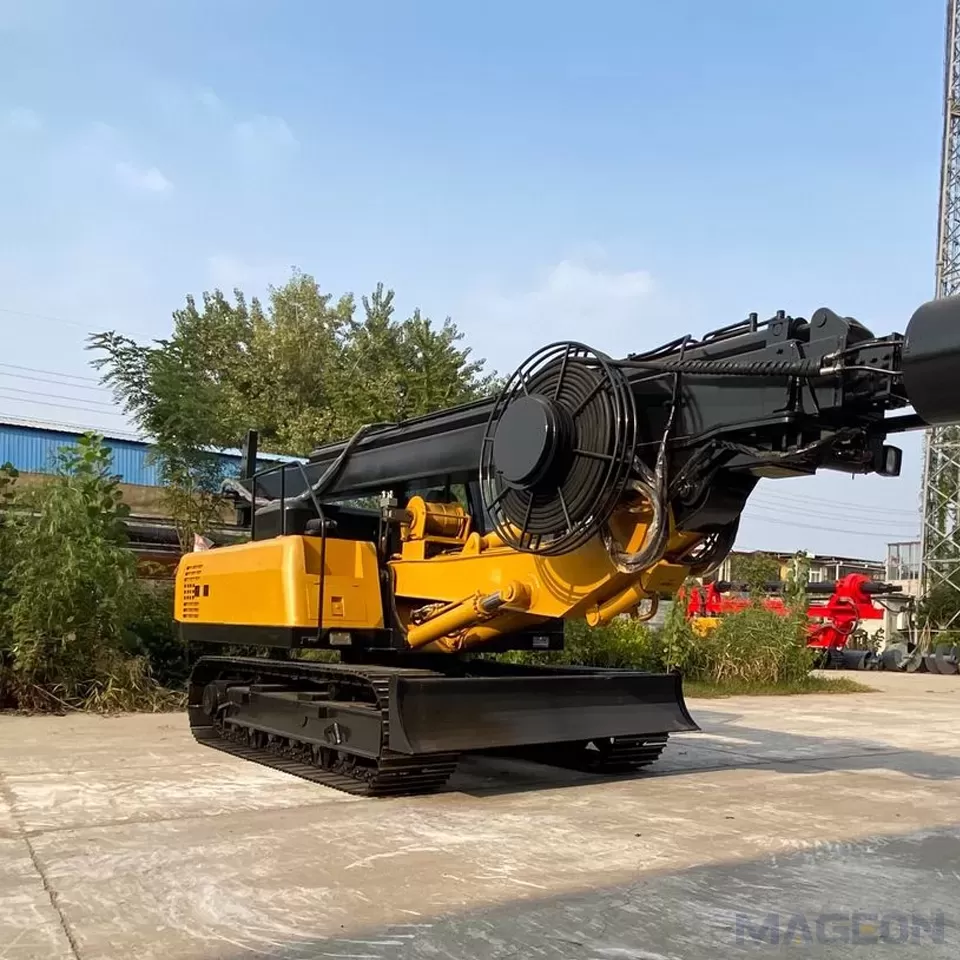
The sequence is deliberate: machine data may prompt a check; the check creates a maintenance record; an engineering decision is made only when the relevant evidence and responsibility are available. A direct leap from operating data to a component conclusion can hide missing inspections, incorrect machine configuration, or an unrecorded change in duty conditions.
Define Service Data for Undercarriage Follow-Up
The useful starting point is a minimum data dictionary, not a predictive-maintenance promise. It can connect a machine identifier, an undercarriage configuration reference, operating context, maintenance events, inspection dates, work orders, and approved technical documents. The exact fields should be defined by the OEM's equipment architecture and service process.
For example, a record may link an inspection to the machine and its service date without claiming that operating hours alone explain component condition. When a service event concerns crawler track tension, the record should distinguish the event itself from the measurement method, the inspection result, the authorized adjustment procedure, and the person or organization responsible for confirmation.
Data quality also needs operational rules. Define who can create or correct an asset identifier, when a configuration change becomes effective, how a replacement component is recorded, and how missing or conflicting records are handled. A complete-looking dataset is not reliable if its ownership and revision history are unclear.
Assign Data Responsibilities Across the OEM, Operator, and Supplier
Data sharing works best when responsibility follows the source of the information. The machine OEM normally defines the whole-machine asset and service context. The operator or fleet records operating conditions and reports events. The maintenance organization records work performed and observed findings. A component supplier can provide approved product documentation and evaluation inputs within its confirmed scope.
| Information to provide | Decision supported | Confirmation boundary | |
|---|---|---|---|
| Machine OEM | Asset identity, configuration references, approved service process | Consistent equipment context | Does not prove a component condition without inspection evidence |
| Operator or fleet | Duty context, event report, access to available machine data | Prioritize inspection or service planning | Does not define engineering limits or root cause |
| Maintenance provider | Inspection record, work order, adjustment or replacement history | Traceable maintenance follow-up | Does not approve a design change without authorized criteria |
| Undercarriage supplier | Approved component documents and project-specific technical inputs | Support evaluation within the agreed scope |
This is a working framework, not a substitute for contractual, warranty, safety, or regulatory responsibilities. Those responsibilities should be assigned in the relevant commercial and technical documents.
Build an Interoperable Data-Request Checklist
Before discussing a data interface or service-data handover, an OEM should first agree on the decision that the information must support. That prevents an interface project from collecting fields that nobody can interpret or maintain.
| Why it is needed | Source owner | Output to confirm | |
|---|---|---|---|
| Asset and configuration identifiers | Connect records to the correct machine state | Machine OEM | Controlled asset and configuration reference |
| Available operating context | Place an event or inspection in its duty context | Operator or fleet | Defined service-event context |
| Inspection and work-order history | Separate observed condition from completed work | Maintenance provider | Traceable maintenance record |
| Approved component and interface documents | Evaluate a specific undercarriage question | OEM and supplier | Confirmed technical evidence set |
| Data definitions and access rules | Prevent inconsistent interpretation or uncontrolled changes | All designated parties |
The requested output should be an information package that is usable by the next responsible party, not a claim that the package has already diagnosed a component. This approach also makes it easier to identify gaps before a service or technical-evaluation request is escalated.
Why Telematics Is Not Component Diagnosis
Telematics may help identify when a machine was active, where an event occurred, or which service history is associated with an asset. It cannot independently show the physical state of an undercarriage component unless a suitable measurement, inspection method, and validated interpretation are available for that exact question.
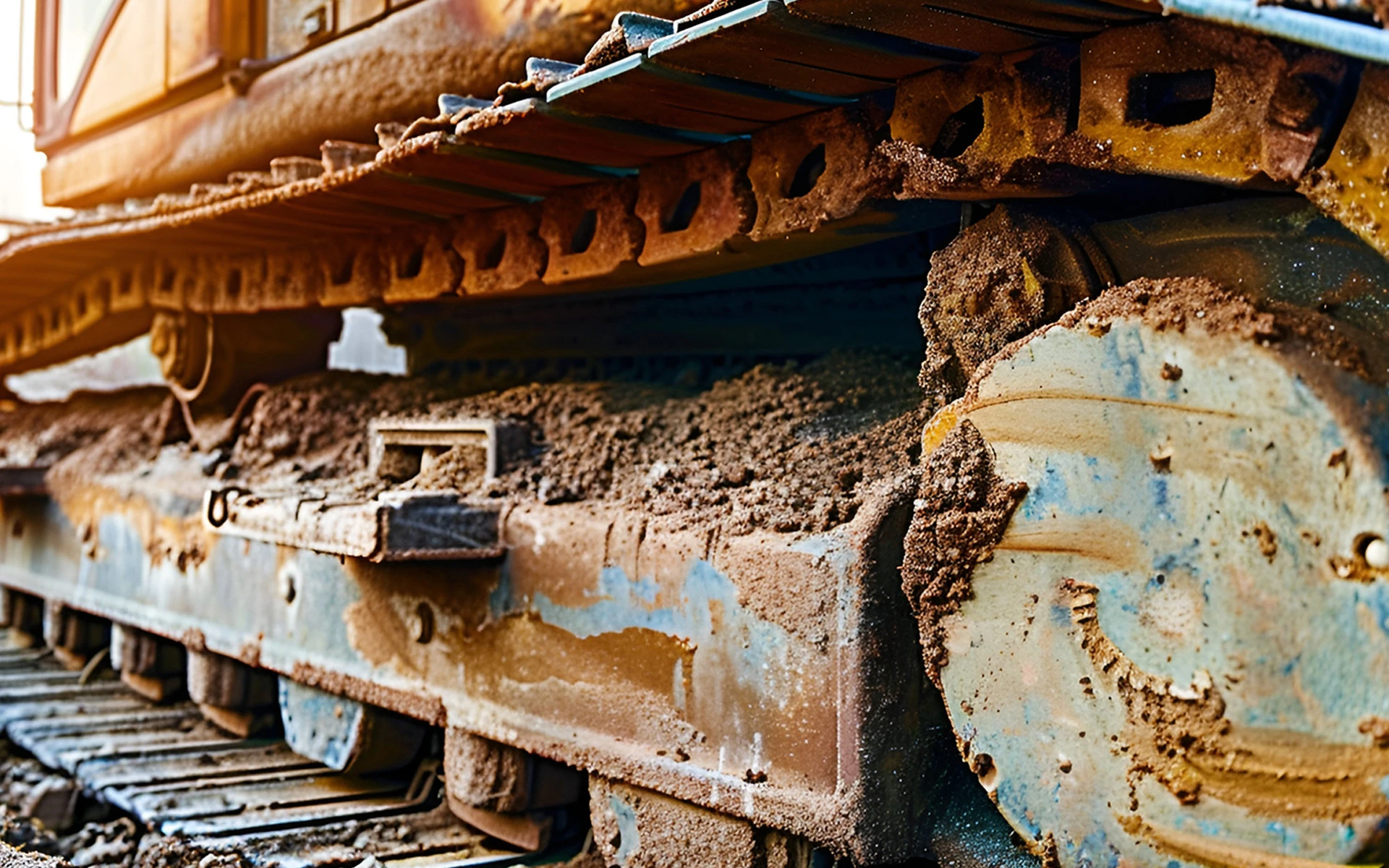
For example, abnormal crawler undercarriage wear patterns require observation, condition evidence, and technical interpretation. A remote data record may provide context for an inspection, but it cannot establish wear mode, cause, or corrective action on its own. The same limit applies when a machine has changed attachments, load distribution, terrain, operator practice, maintenance history, or configuration.
The practical rule is simple: use data to organize evidence and trigger appropriate follow-up; use inspection and engineering confirmation to make component decisions. This avoids presenting digital records as a replacement for mechanical understanding.
Frequently Asked Questions
Does ISO/TS 15143-3 diagnose crawler undercarriage wear?
No. It is a telematics data-exchange specification. It does not establish a wear threshold, inspection method, remaining-life estimate, or repair decision for an undercarriage component.
Can operating hours be used as the only maintenance trigger?
Operating hours can support service planning, but they do not capture every duty condition, configuration change, inspection finding, or component-specific requirement. Use them with the approved maintenance process and condition evidence.
Who should own the machine identifier in shared service data?
The machine OEM should normally control the whole-machine asset reference and configuration definition. Other parties should preserve that reference in their records and document any agreed local identifiers or revisions.
Can a component supplier access all machine telematics data?
Only when the OEM, equipment owner, and applicable agreements permit it. The data needed for a specific technical question should be defined by scope, purpose, access rules, and responsibility.
What should happen when service records conflict?
Do not average or silently overwrite them. Retain the conflicting records, identify the asset and configuration involved, check source ownership and revision history, and obtain the appropriate technical or commercial confirmation.
For crawler-undercarriage technical evaluation or a project inquiry, provide the equipment type, current configuration, relevant operating context, available maintenance records, and the boundaries of any existing data interface alongside the usual load, dimensional, and duty-condition information.
Please leave your customization requirements, and we will contact you as soon as possible!
Leave your requirements, we'll get back to you within 24 hours.