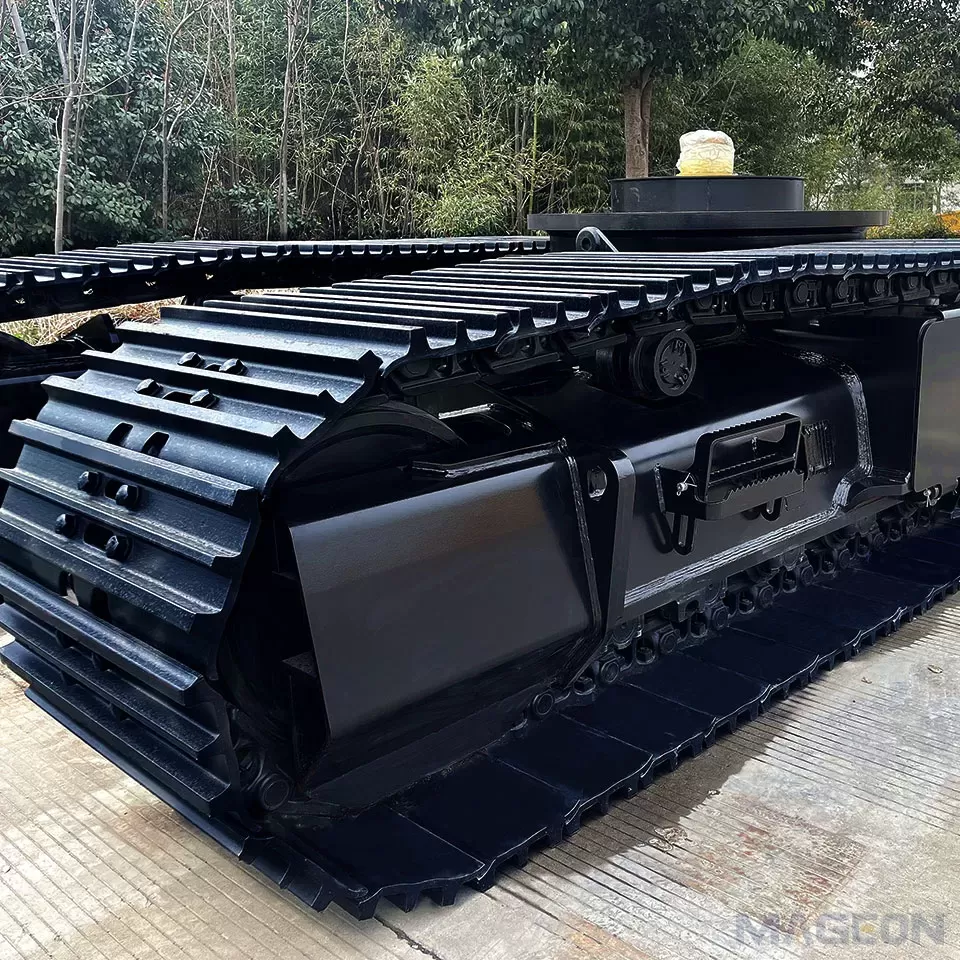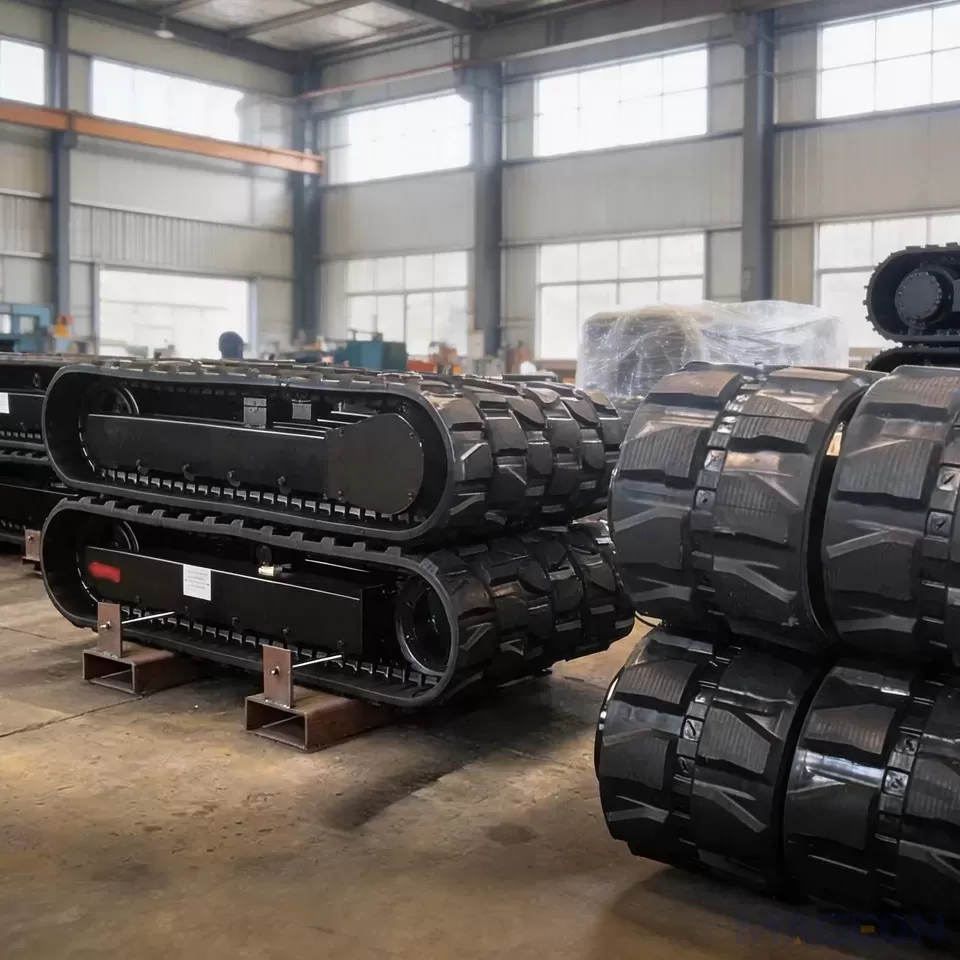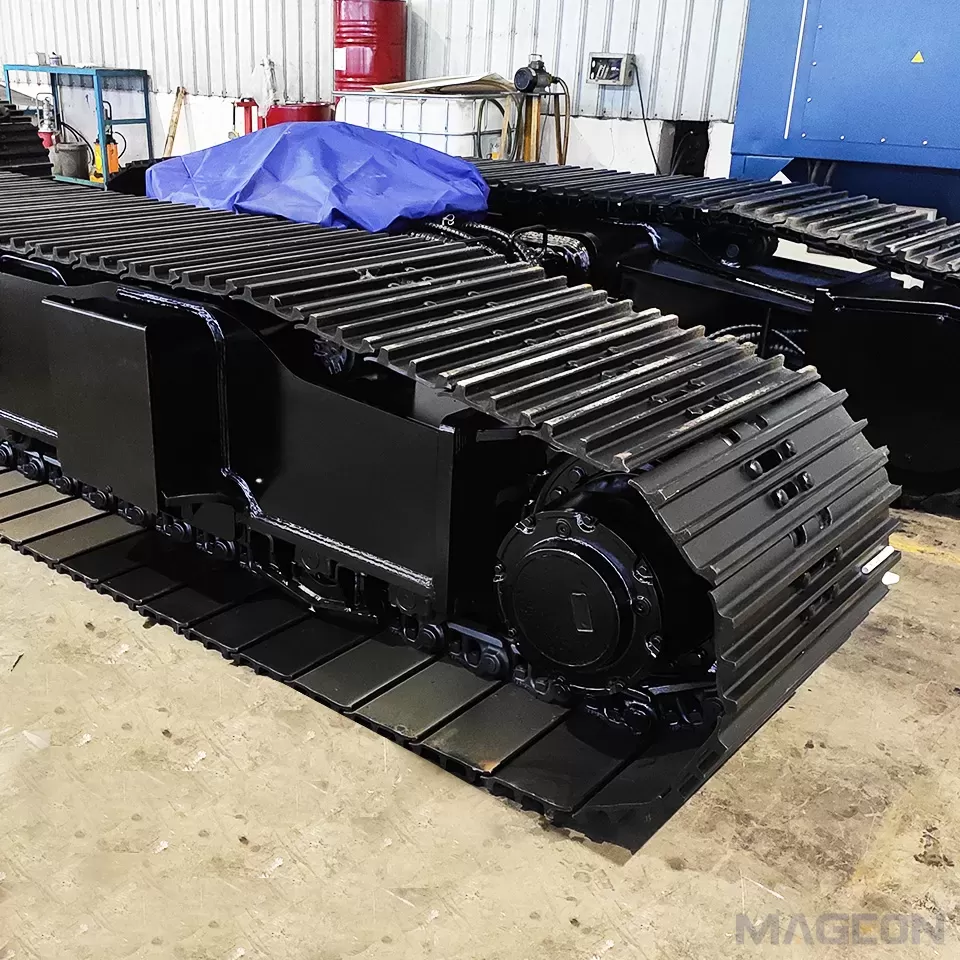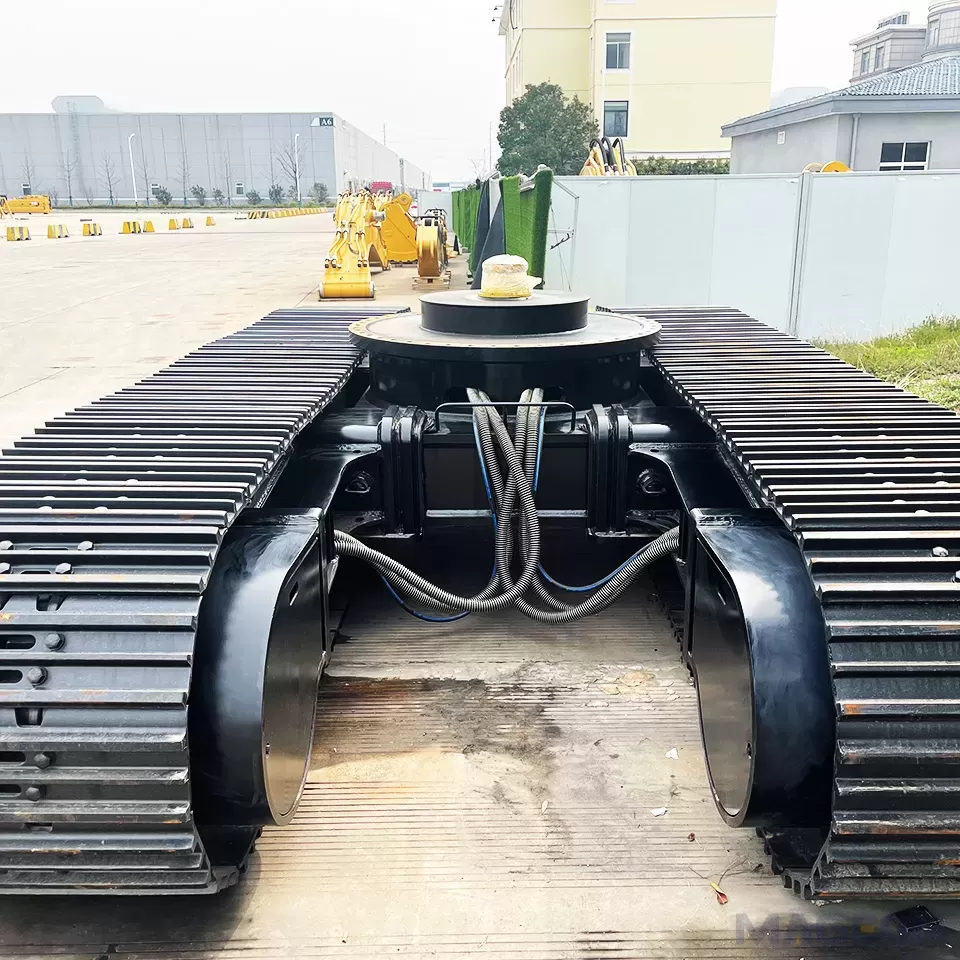

How Should Compact Excavator OEMs Select a Crawler Undercarriage?
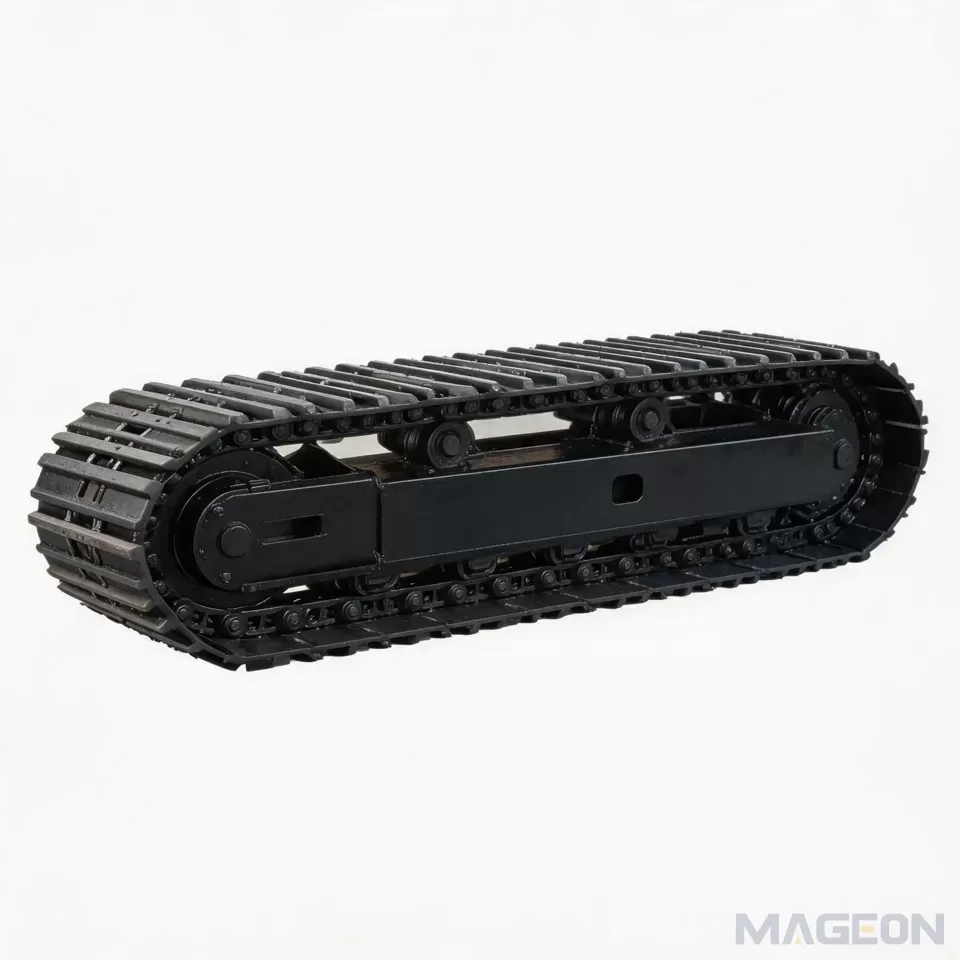
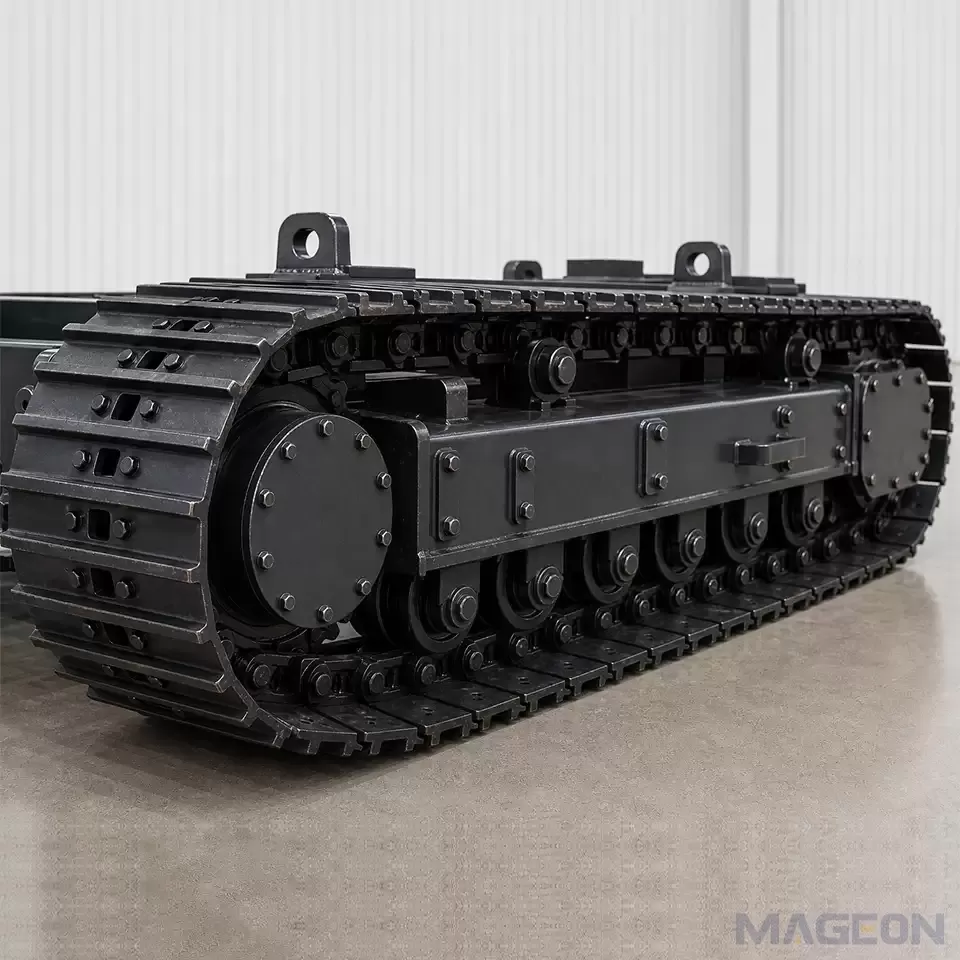
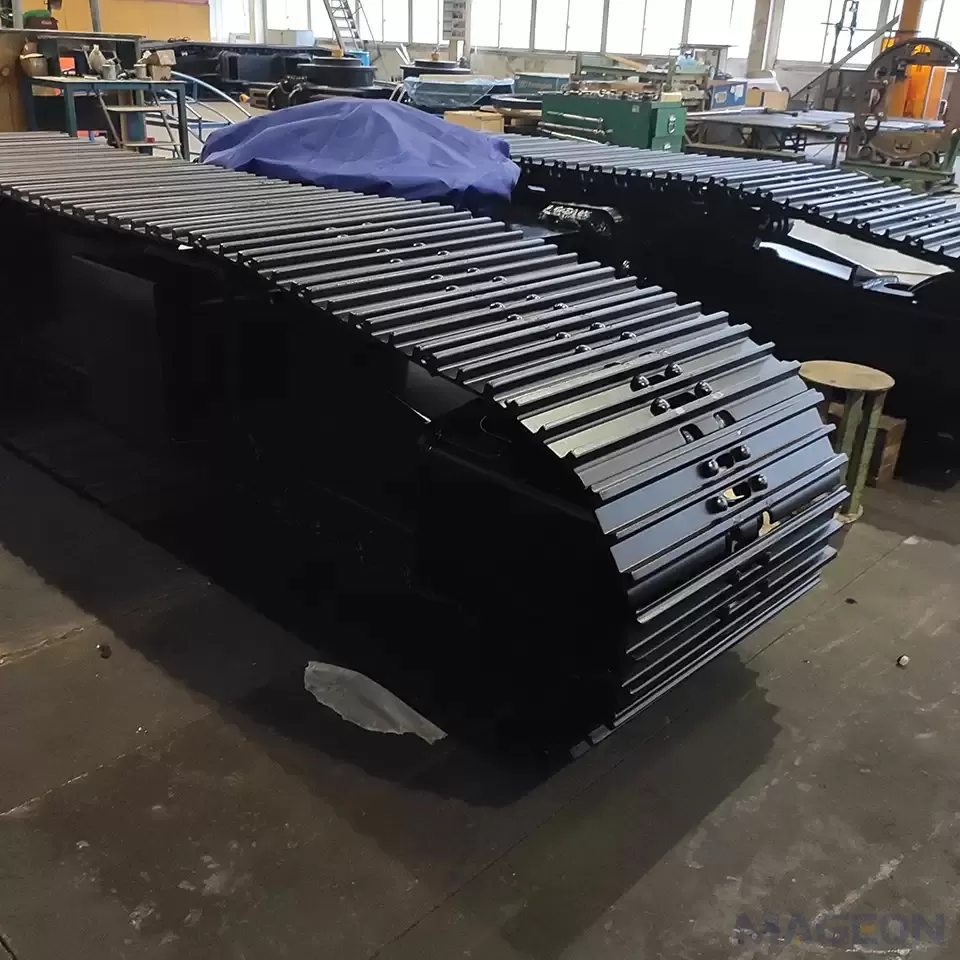
Compact excavator OEMs should select a crawler undercarriage from the complete machine and its duty conditions—not from one dimension, one component, or a generic track preference. Start by defining the machine envelope, working attachments, load states, ground conditions, duty cycle, drive requirements, and mounting interfaces. Then use those inputs to identify which configuration directions need project-specific engineering confirmation.
This distinction matters because an average ground-contact-pressure value is only a comparison method; under operating conditions it can change with load, centre-of-gravity position, terrain, track-shoe type and size, and surface conditions. ISO 16754:2008 The result is a practical rule for OEM teams: treat selection as an integrated machine-layout review, then validate the final direction against the actual project information.
Define the Compact Excavator Selection Boundary
Begin with a concise operating boundary. Record the intended machine configuration, working equipment and attachments, expected load states, travel and work cycle, terrain, surface condition, transport or packaging limits, and the desired mounting arrangement. These inputs make it possible to distinguish a concept-stage discussion from a configuration that can be engineered and released.
The boundary should also state what is unknown. If attachment mass, centre-of-gravity position, travel-speed requirement, hydraulic-drive requirement, or mounting data is still open, do not convert a preliminary discussion into a final undercarriage specification. The project-specific documentation and engineering review should establish the operating boundary before a final configuration is released.
For a compact excavator project, a useful first question is not “Which track is best?” It is “Which conditions can change the machine-level requirements?” That keeps track selection, layout, and interface decisions connected to the same evidence set.
Review Load, Center of Gravity, and Ground Contact Together
Use the review to identify what must be checked, not to assign a universal track width, gauge, or contact length. The project team should provide the relevant load cases and centre-of-gravity information, then review the intended terrain and work cycle with the undercarriage layout. Ground and surface conditions are selection inputs as well: Caterpillar's current small-excavator track guidance differentiates track choices by machine usage, material type, and cost parameters, and notes that soft, rocky, and abrasive conditions do not create the same requirements. Caterpillar small-excavator track guidance
| Review together with | Decision direction it informs | What it does not determine alone | |
|---|---|---|---|
| Machine and attachment load states | Centre of gravity, duty cycle, and working position | Which operating cases require engineering review | A final undercarriage rating or configuration |
| Centre-of-gravity information | Track gauge, support footprint, and machine envelope | Layout and stability questions to validate | A universal stability conclusion |
| Ground and surface conditions | Track-shoe choice, contact area, and work cycle | The terrain-related trade-offs to evaluate | A guaranteed wear life or traction result |
| Packaging and transport limits | Overall width, interface layout, and service access | Feasible layout boundaries |
The table is a review map, not a sizing formula. Final values and performance conclusions require the actual machine data and engineering confirmation.
Check Track Choice, Drive, and Mounting Interfaces as a System
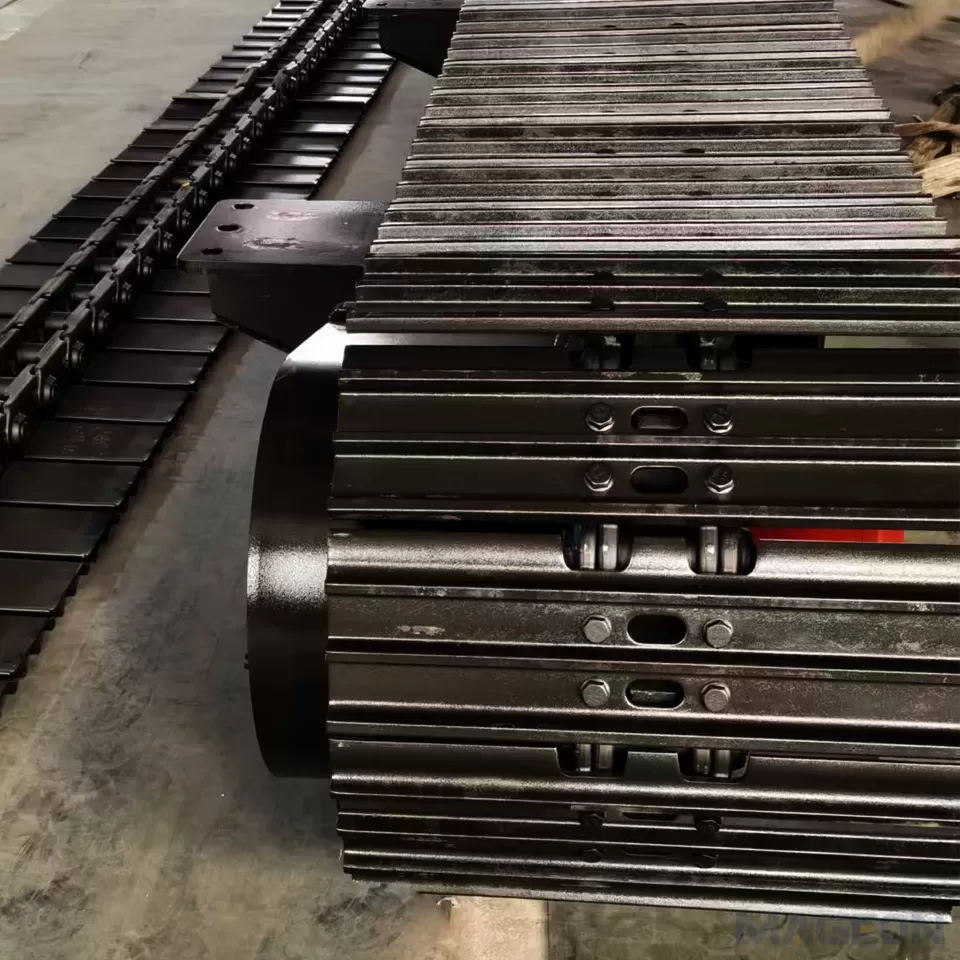
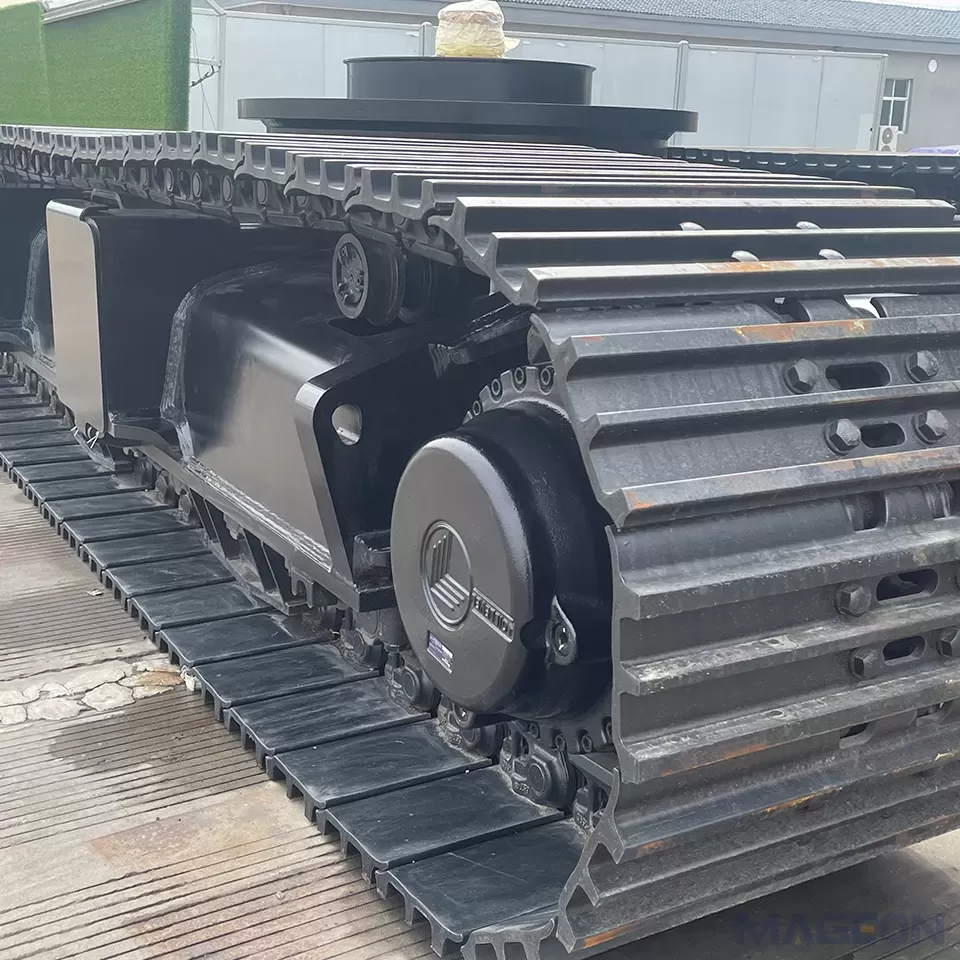
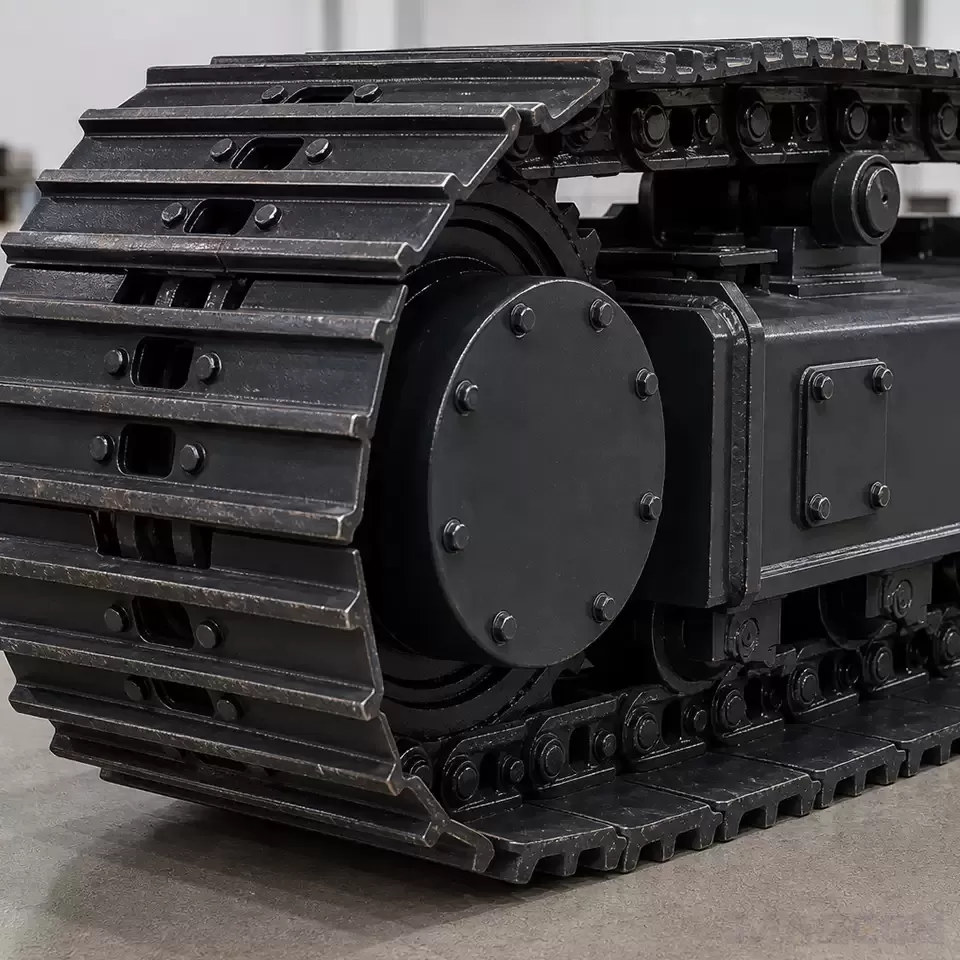
Track choice is one part of an integrated undercarriage decision. The work surface, expected usage, and material environment can change the trade-offs that an OEM should evaluate, but they do not remove the need to check the drive, frame, mounting points, upper-structure envelope, and whole-machine compatibility together. Caterpillar small-excavator track guidance
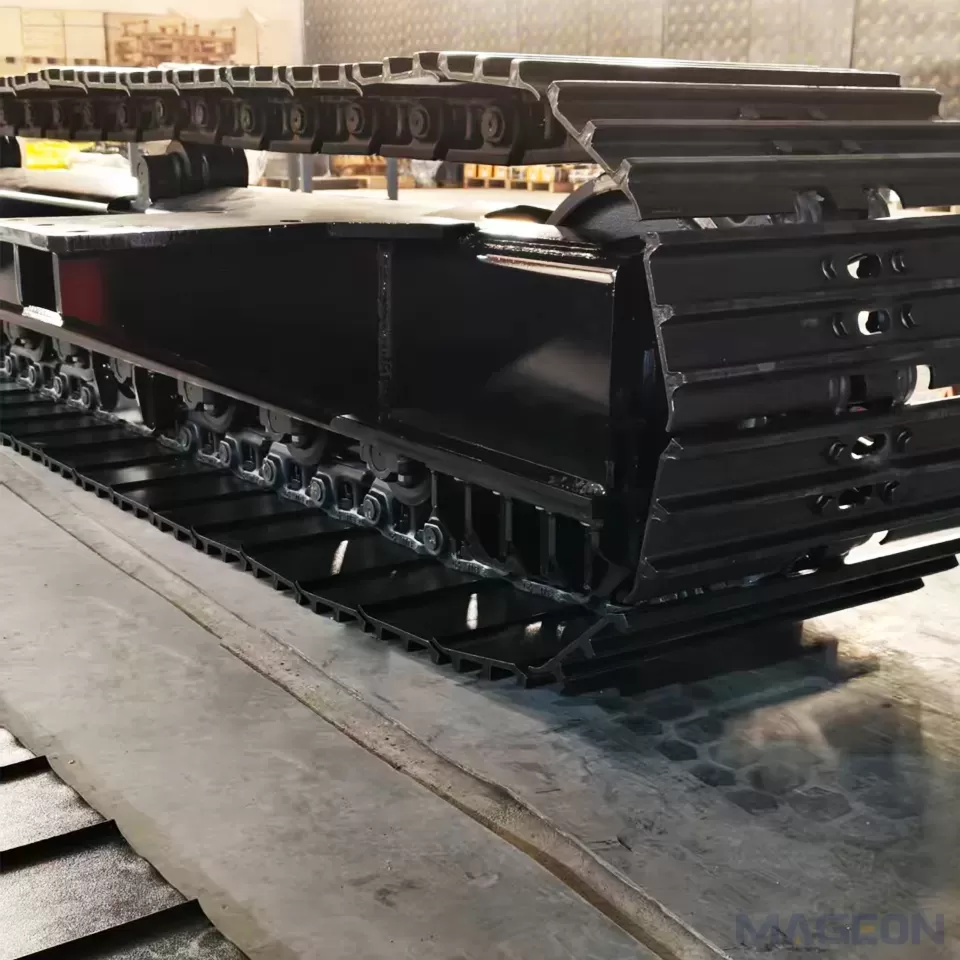
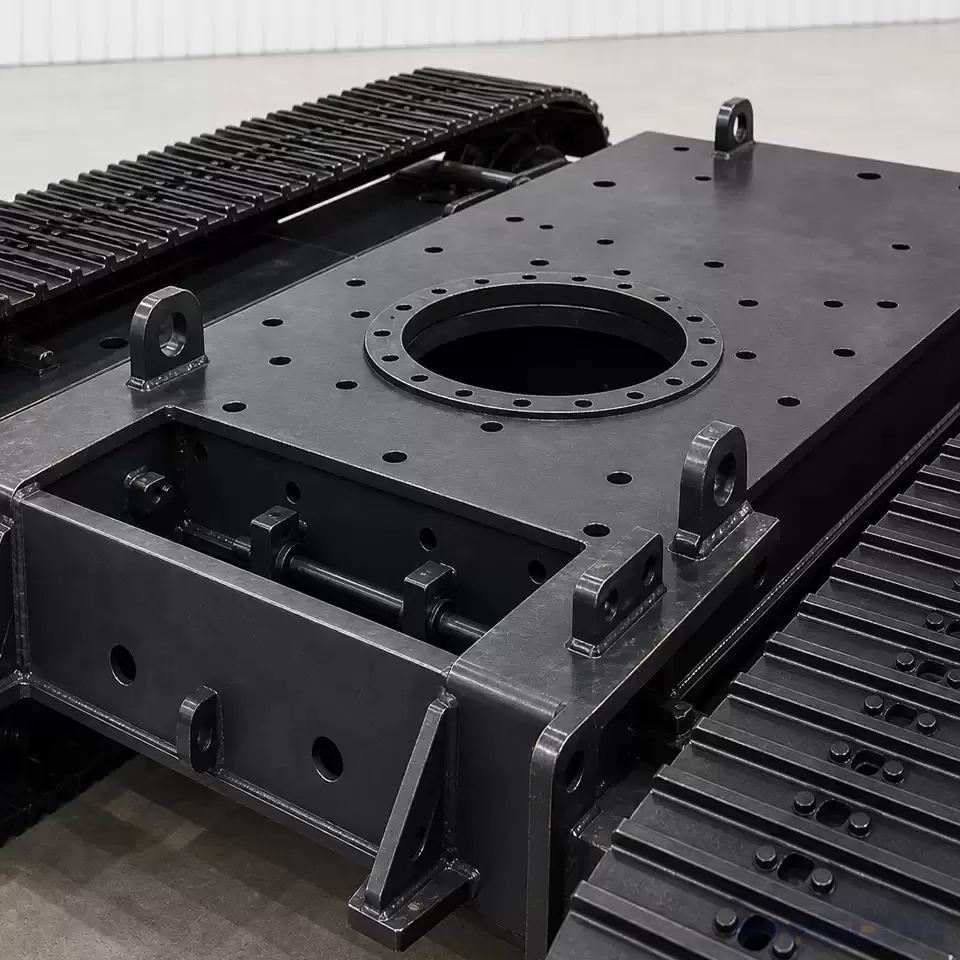
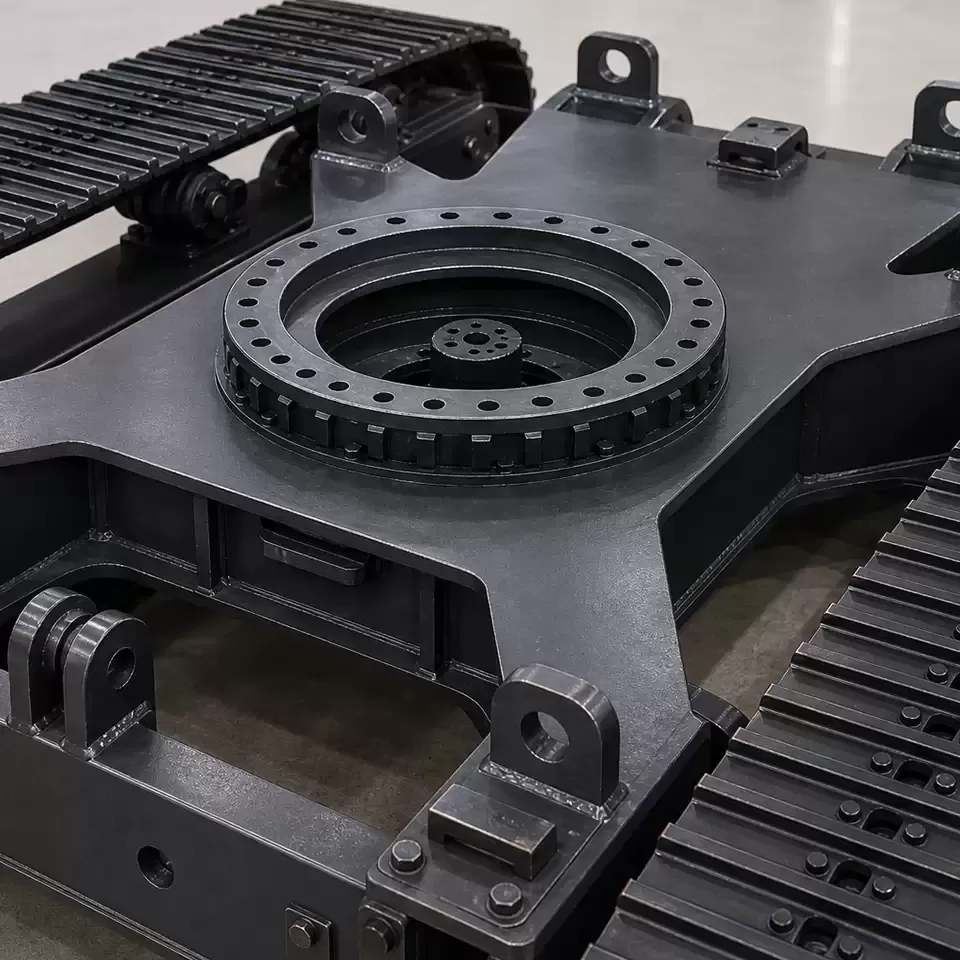
Start with the interfaces that transfer the machine layout into the undercarriage: mounting locations, available packaging space, the intended drive arrangement, service access, and the relationship between the upper structure and the track frame.
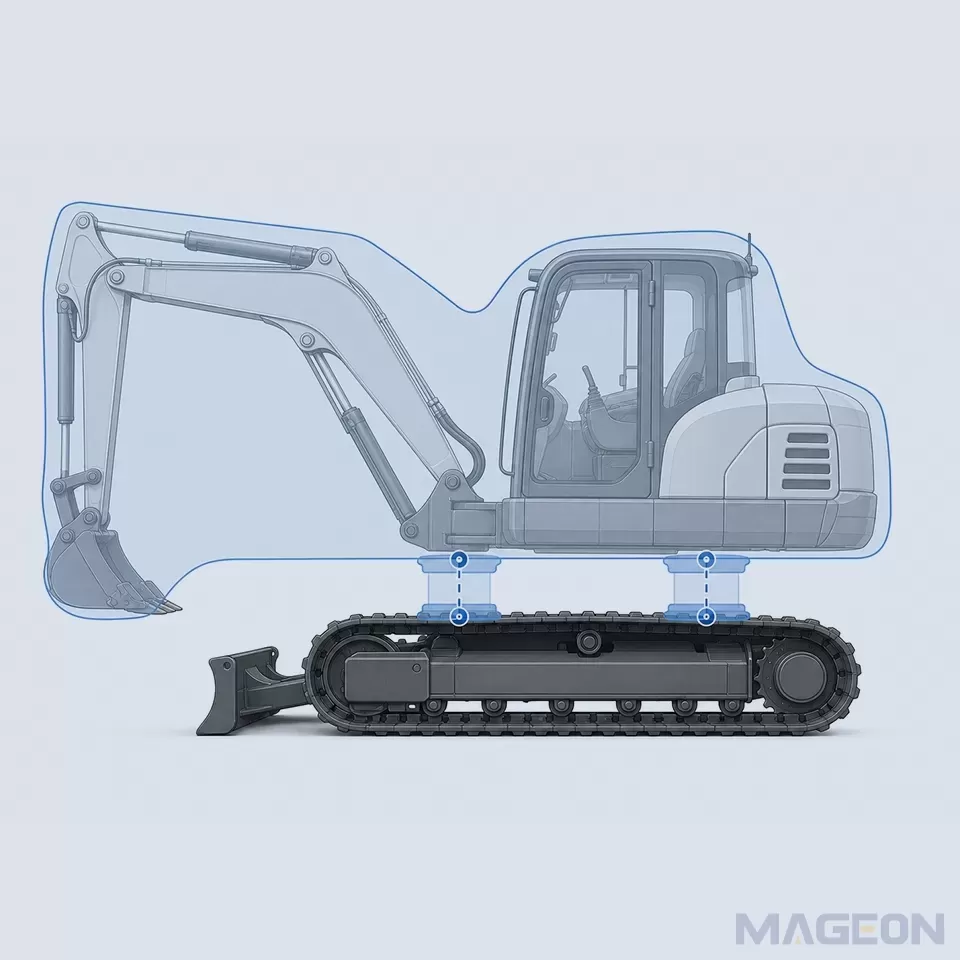
Mounting interfaces should be identified before fitment conclusions are made. Track gauge is likewise a layout variable to review with the machine envelope and turning requirements, not a stand-alone selection answer. Travel speed requirements should be captured as a duty-cycle input before a final drive or undercarriage conclusion is made.
Hydraulic excavators are covered by a dedicated safety standard, ISO 20474-5, which is used with ISO 20474-1 for the broader earth-moving-machine safety requirements. ISO 20474-5:2017 That scope is one reason a general website article should frame integration questions and preserve the boundary for machine-specific engineering and compliance work rather than claim a ready-to-use design.
Prepare the Technical Information for Engineering Evaluation
An efficient technical evaluation begins with a package of inputs that describes the machine, not only the requested undercarriage. The information below helps establish a reviewable starting point. It does not replace approved drawings, testing, or project-specific engineering sign-off.
| Provide | Used to review | If unavailable | |
|---|---|---|---|
| Machine definition | Equipment configuration, working equipment, and intended attachments | Selection boundary and load cases | Keep the configuration open; do not publish a final direction |
| Load and layout | Relevant load states, centre-of-gravity information, and target dimensions | Layout, support, and packaging questions | Request engineering data before sizing or rating claims |
| Duty conditions | Terrain, surface condition, travel and work cycle, and operating environment | Track and contact trade-offs | Record the condition as not yet provided rather than assuming a typical site |
| Drive and interfaces | Drive requirements, mounting information, and available upper-structure space | Compatibility and integration checks | Obtain drawings or technical confirmation before fitment conclusions |
| Project controls | Applicable market, safety, and documentation requirements | Scope of machine-level review |
For a custom crawler undercarriage evaluation, MAGEON invites OEM teams to provide equipment information, load and dimensional data, and duty conditions so that the project can be assessed on its actual inputs.
Frequently Asked Questions
Is machine weight enough to select a compact excavator crawler undercarriage?
No. Machine and attachment load states need to be reviewed with centre of gravity, terrain, duty cycle, drive requirements, and interfaces. Weight alone does not establish a final configuration or operating conclusion.
Should an OEM select steel or rubber tracks first?
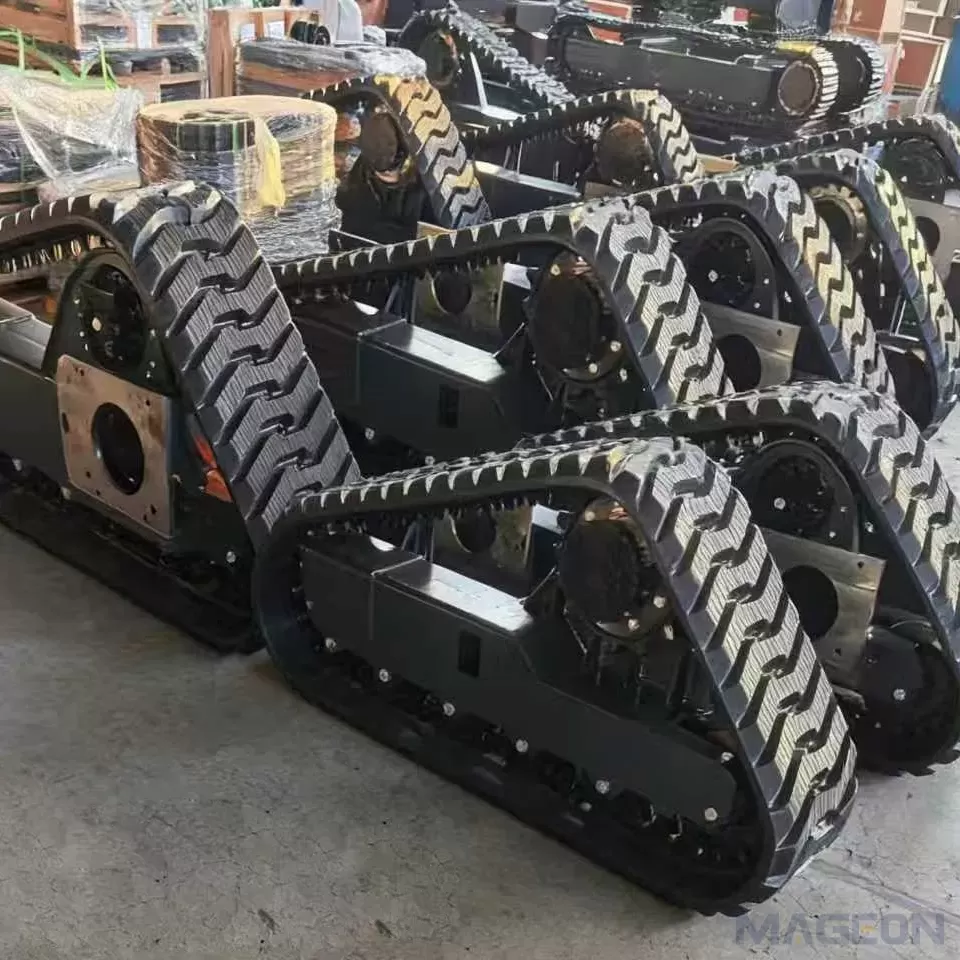
Treat track choice as one input to evaluate with the intended surface, machine usage, and project constraints. The final choice should not be separated from the complete undercarriage and machine-integration review.
When should mounting interfaces be confirmed?
Confirm them before issuing fitment conclusions. The relevant mounting data, packaging space, and drive arrangement should be available to the engineering review.
What should an OEM send for an initial technical evaluation?
Provide the equipment configuration, attachments, relevant load and centre-of-gravity information, target dimensions, duty conditions, drive requirements, and mounting-interface data. Missing information should be marked as open rather than replaced with assumed values.
Can this article be used as a final undercarriage specification?
No. It is a selection and input-preparation framework. The final configuration requires current project information and engineering confirmation.
Please leave your customization requirements, and we will contact you as soon as possible!
Leave your requirements, we'll get back to you within 24 hours.