How Do Safety Boundaries Change From Direct Control to Remote Control for Crawler Equipment?
Moving a crawler machine's operator away from the machine changes the system boundary that an OEM must define. It does not, by itself, create an autonomous machine or establish a new undercarriage specification. The first decision is to distinguish direct control, remote control, and autonomous or semi-autonomous operation, then identify which people, controls, machine functions, and external interfaces belong inside the project's validation boundary.
Separate Direct Control, Remote Control, and Autonomous Operation
Direct control concerns operator controls on earth-moving machinery in the intended operating position. ISO 10968:2020 defines requirements and guidelines for those direct-control machine controls and points to ISO 15817 for remote operator control. ISO 10968:2020
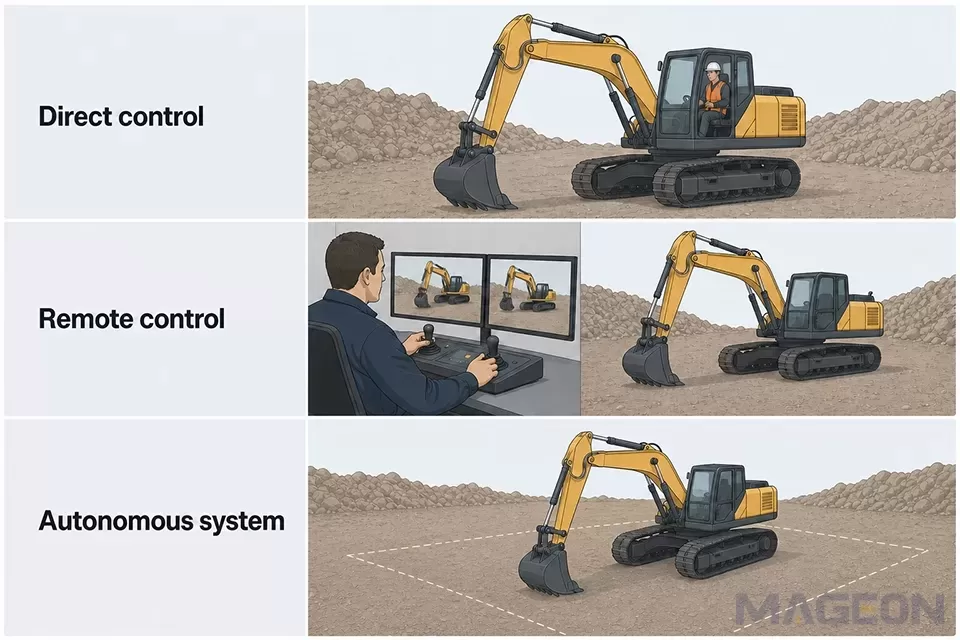
Remote control is a different category. ISO 15817:2012 specifies essential safety requirements for remote operator control systems used on earth-moving machinery, while explicitly excluding autonomous control systems that enable work without operator assistance. ISO 15817:2012 An operator may be remote, but the machine is not therefore autonomous.
Autonomous and semi-autonomous machine systems require a separate boundary. ISO 17757:2019 addresses autonomous and semi-autonomous machines, their associated systems and infrastructure, and safe use in defined functional environments. It also states that remote-control capability is covered by ISO 15817 rather than by ISO 17757. ISO 17757:2019
Redraw the System Boundary Around the Operator, Control Link, and Machine
For an OEM, the practical change is a boundary redraw. In direct control, the operator, controls, and machine are examined around the intended operating position. In remote control, the operator location and control link become explicit parts of the system conversation. In autonomous or semi-autonomous operation, associated systems and the defined functional environment must also be considered within the applicable scope.
The comparison below is a planning aid. It does not certify a machine, define an automation level, or determine the design of a specific control system.
| Standards boundary to distinguish | System boundary questions | Do not infer | |
|---|---|---|---|
| Direct control | Operator controls in the intended operating position | Which controls and machine states are relevant to intended operation? | That a remote-control system is covered |
| Remote control | Remote operator control system with an operator still controlling the machine | Where is the operator, what is the control link, and which machine functions are within review? | That the machine operates autonomously |
| Autonomous or semi-autonomous operation | Machine, associated systems, infrastructure, and defined functional environment | What functions, systems, and environment must be defined? |
Identify the OEM Questions Before System Validation
Start with questions that define responsibility boundaries rather than trying to name a solution too early. Who is expected to control the machine in each operating state? Where is that person located? Which controls, machine functions, operating conditions, and external systems are included in the project boundary? What happens when the intended operating condition changes or when a required input is not available?
| Clarify before validation | Responsibility interface | Project-level confirmation rule | |
|---|---|---|---|
| Operating role | Direct operator, remote operator, or system function | Product, controls, and operations teams | Define the intended role for each operating state |
| Control boundary | Controls, machine functions, and control link | Machine and control-system engineering | Confirm the boundary with actual system architecture |
| Functional environment | Where and under which conditions the system is intended to operate | Product, safety, and site stakeholders | Document the intended environment before validation |
| Machine integration | Equipment layout, drive, interfaces, and crawler undercarriage inputs | Whole-machine and undercarriage engineering |
These questions help prevent two common errors: treating a remote operator as an autonomous function, or treating an automation discussion as a substitute for whole-machine engineering.
Turn the Distinction Into a Scope Statement
Before a technical project begins, write one short scope statement for each intended operating mode. It should name the operating role, the machine functions being considered, the control context, the intended environment, and the interfaces that require further project evidence. This is not a safety case or a compliance document. It is a practical way to make later engineering, validation, and supplier discussions refer to the same boundary.
If a project includes more than one mode, keep the statements separate. A machine may have direct-control operation and a remote-control function without becoming an autonomous system. Separating the statements helps an OEM decide which standard scope, technical questions, and validation inputs apply to each mode, while avoiding unsupported claims that one mode automatically determines the other.
Keep Undercarriage Decisions Project-Specific
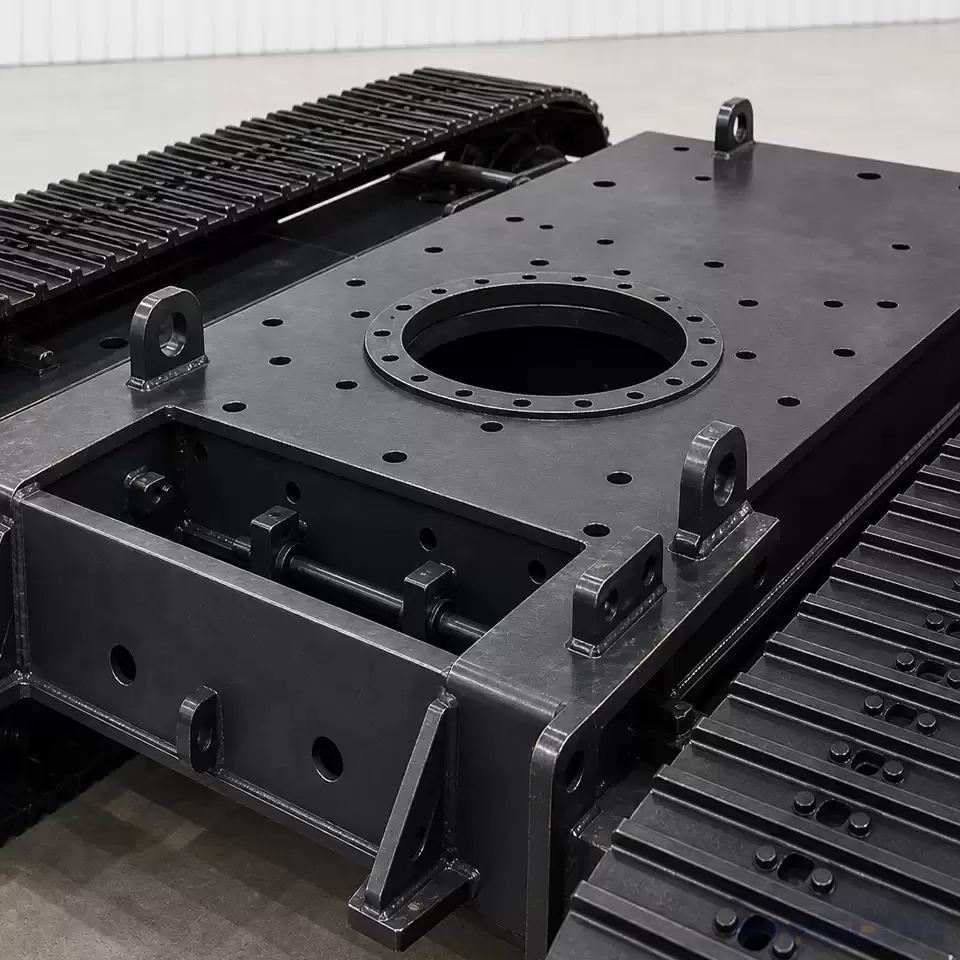
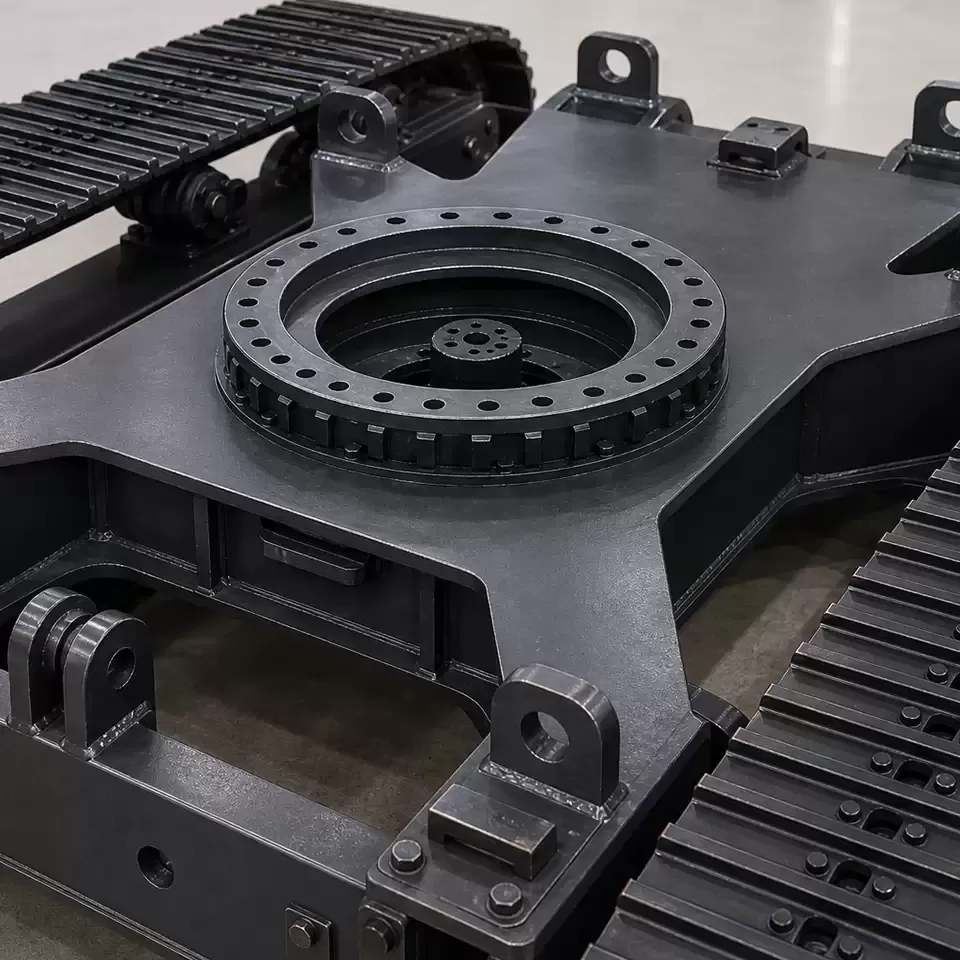
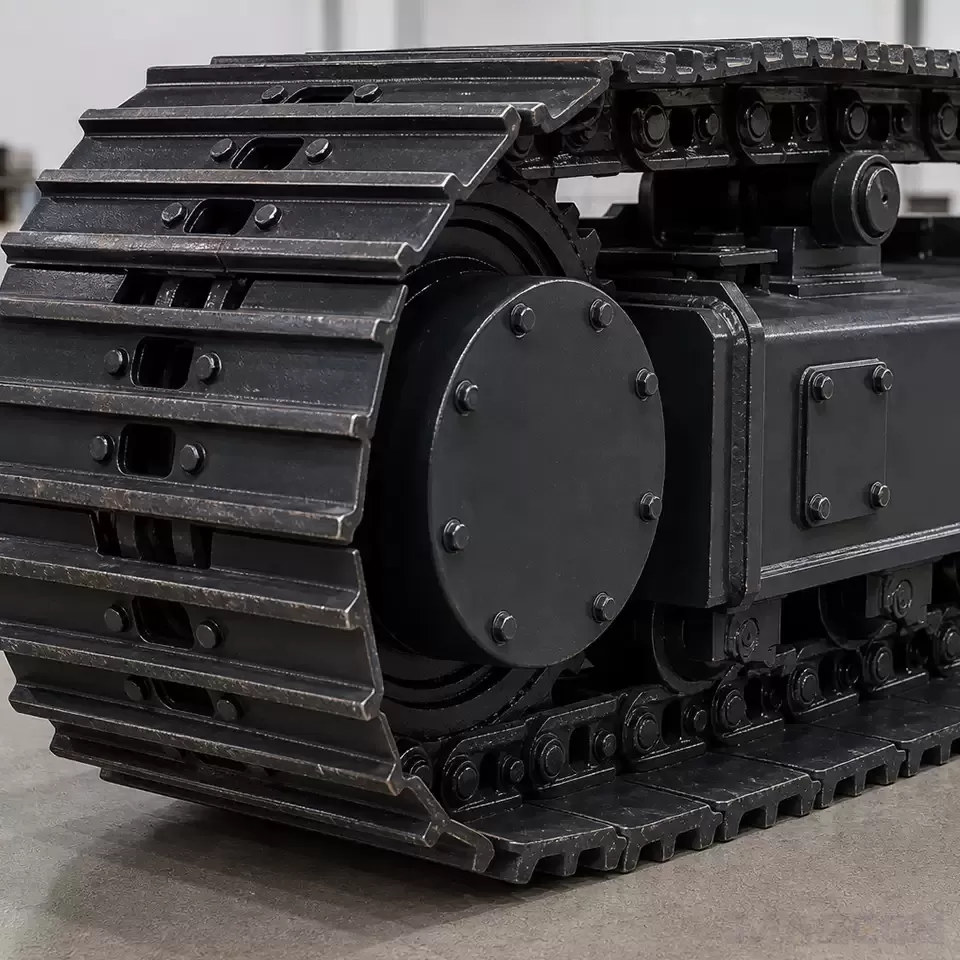
Control-system scope does not establish crawler undercarriage load, dimensions, track width, track gauge, drive specification, mounting interface, or performance. Those decisions remain tied to the equipment configuration, load states, dimensions, duty conditions, and current engineering information.
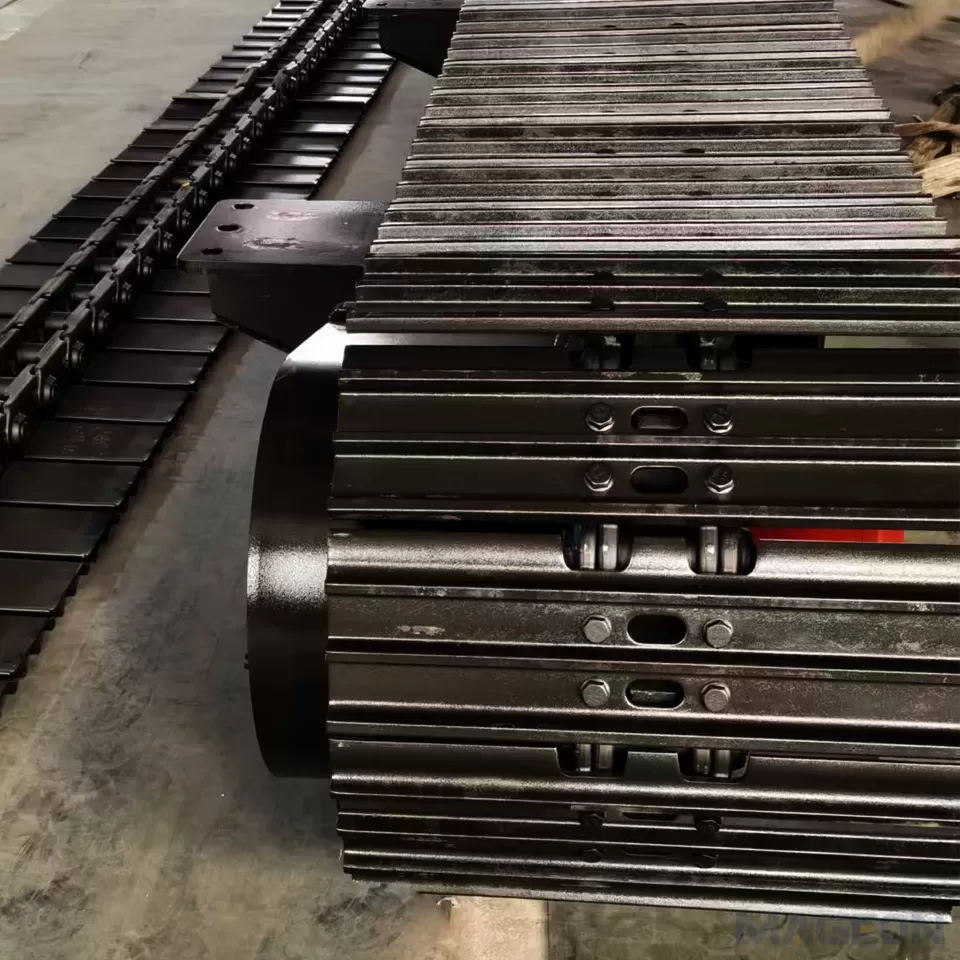
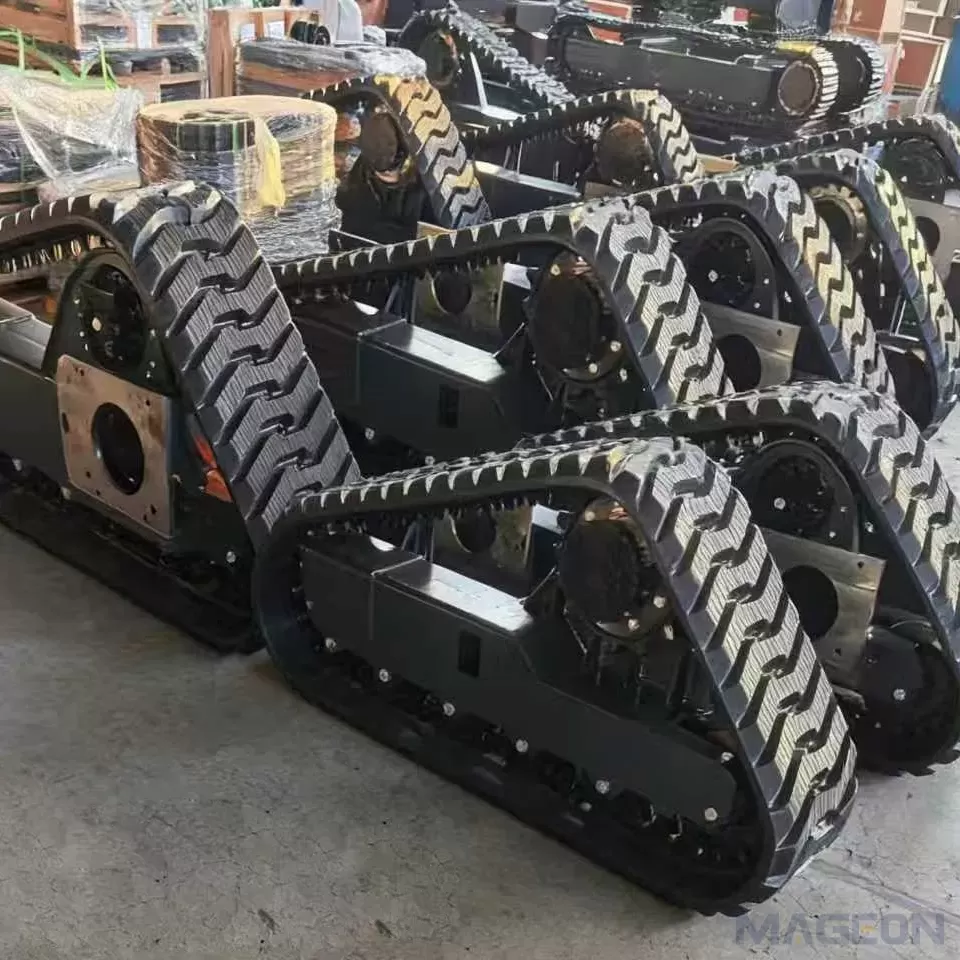
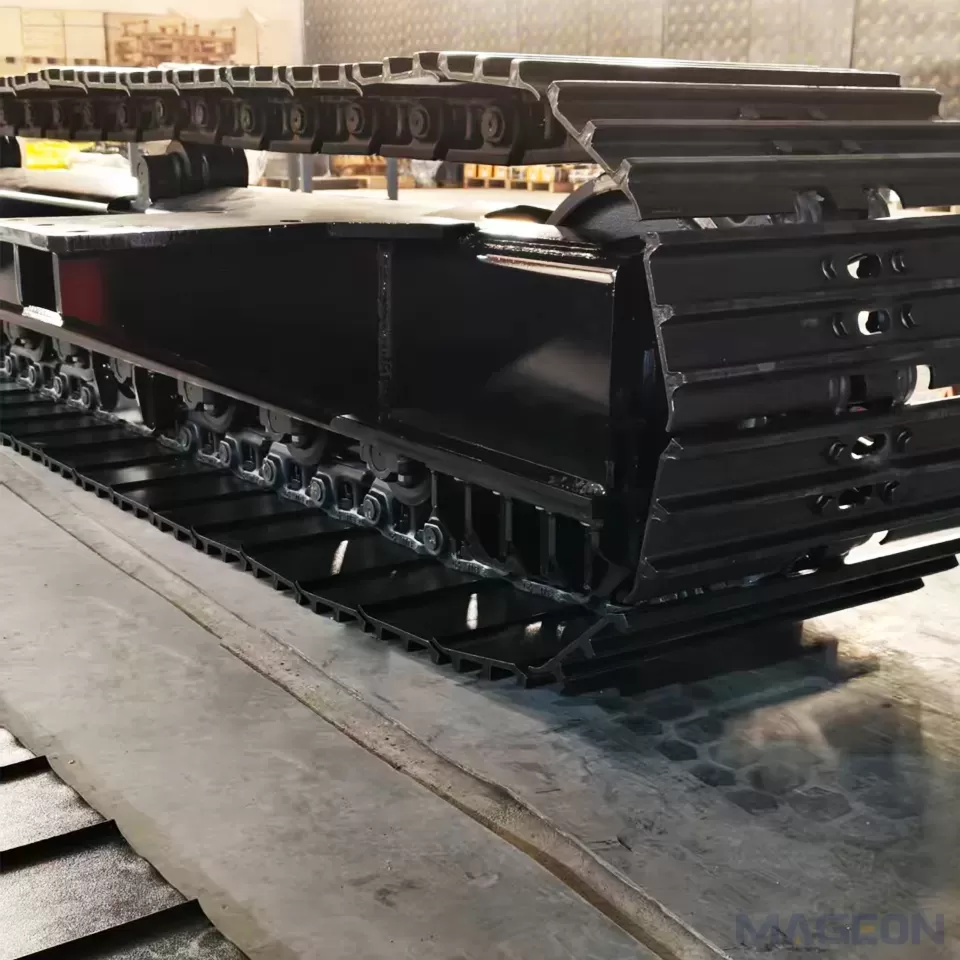
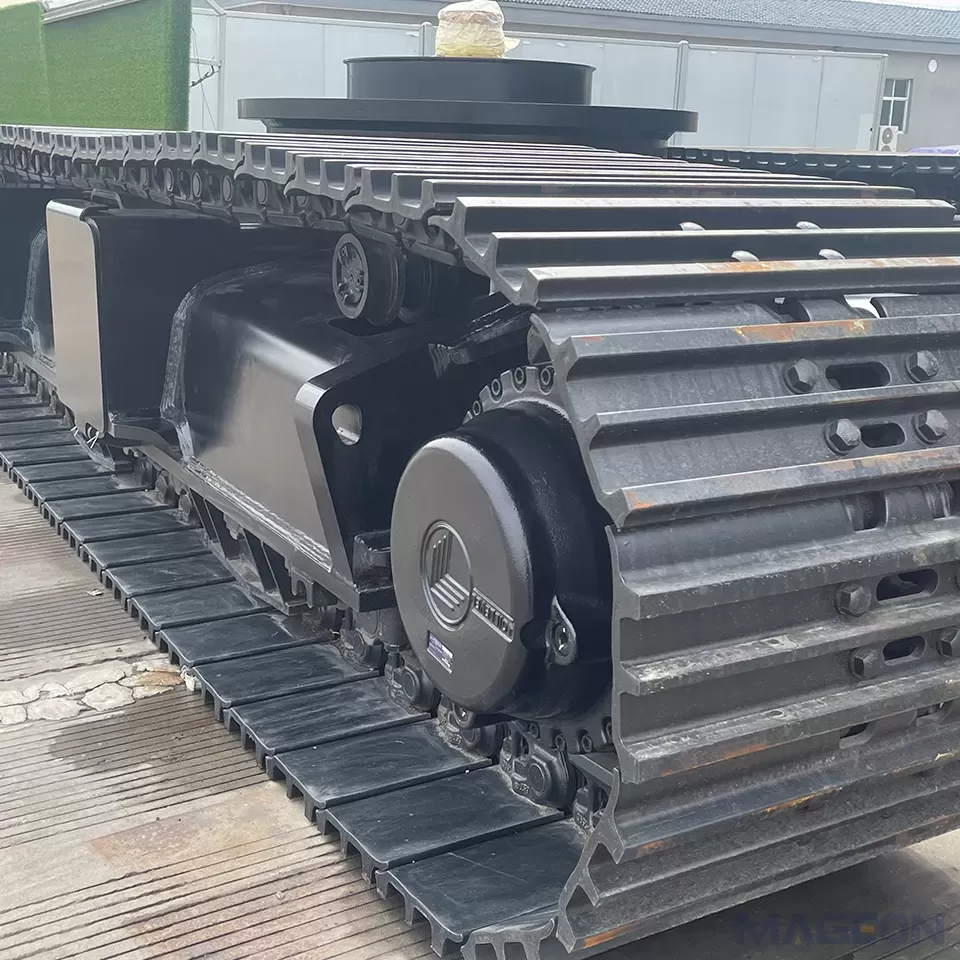
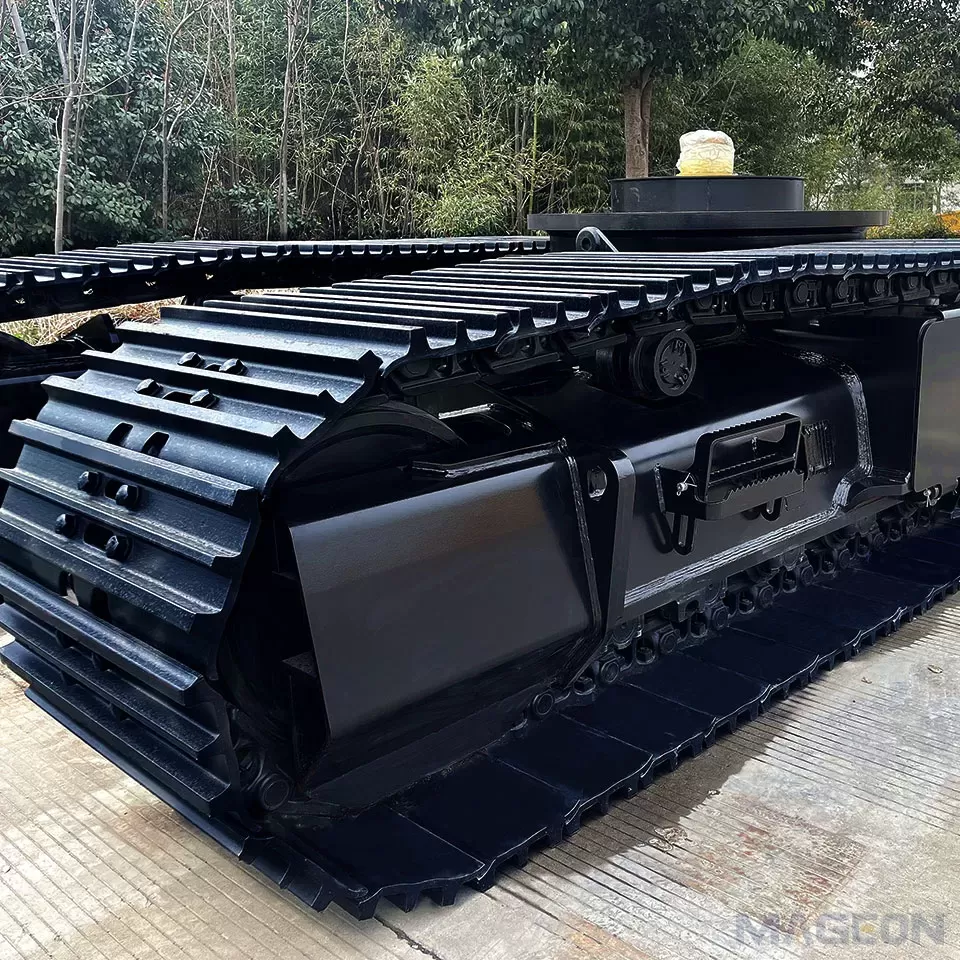
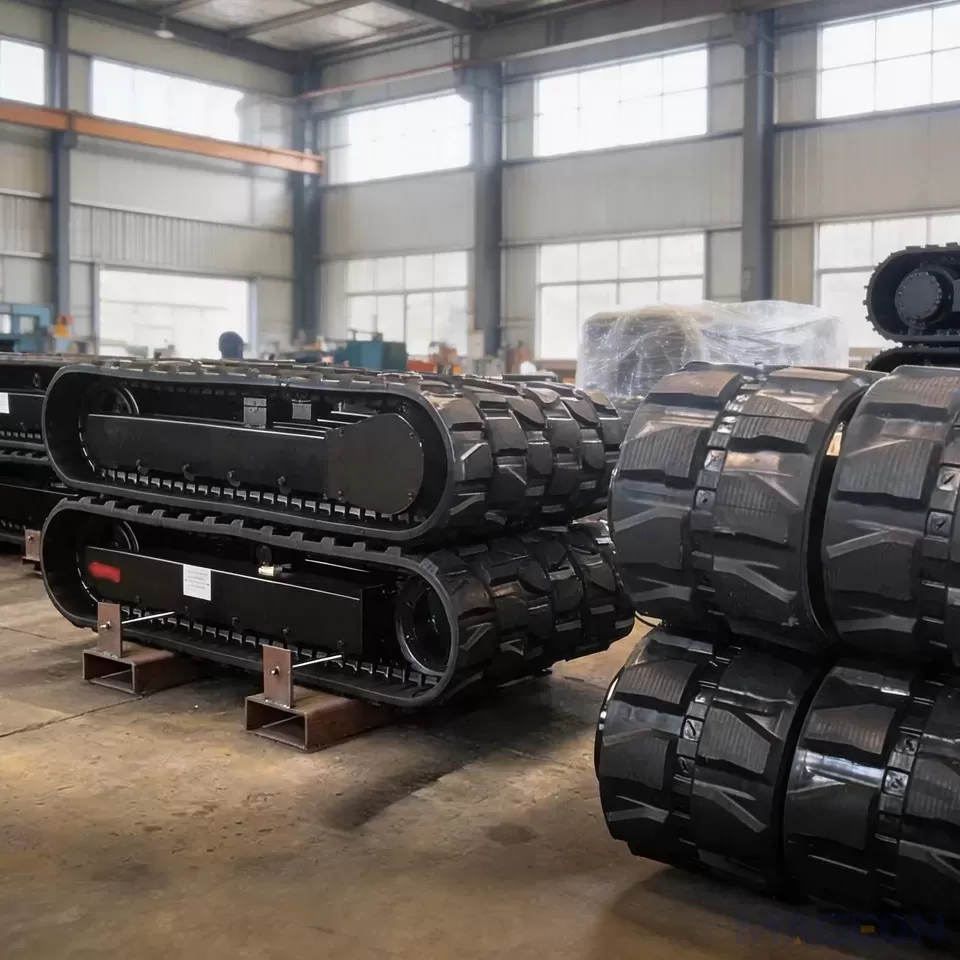
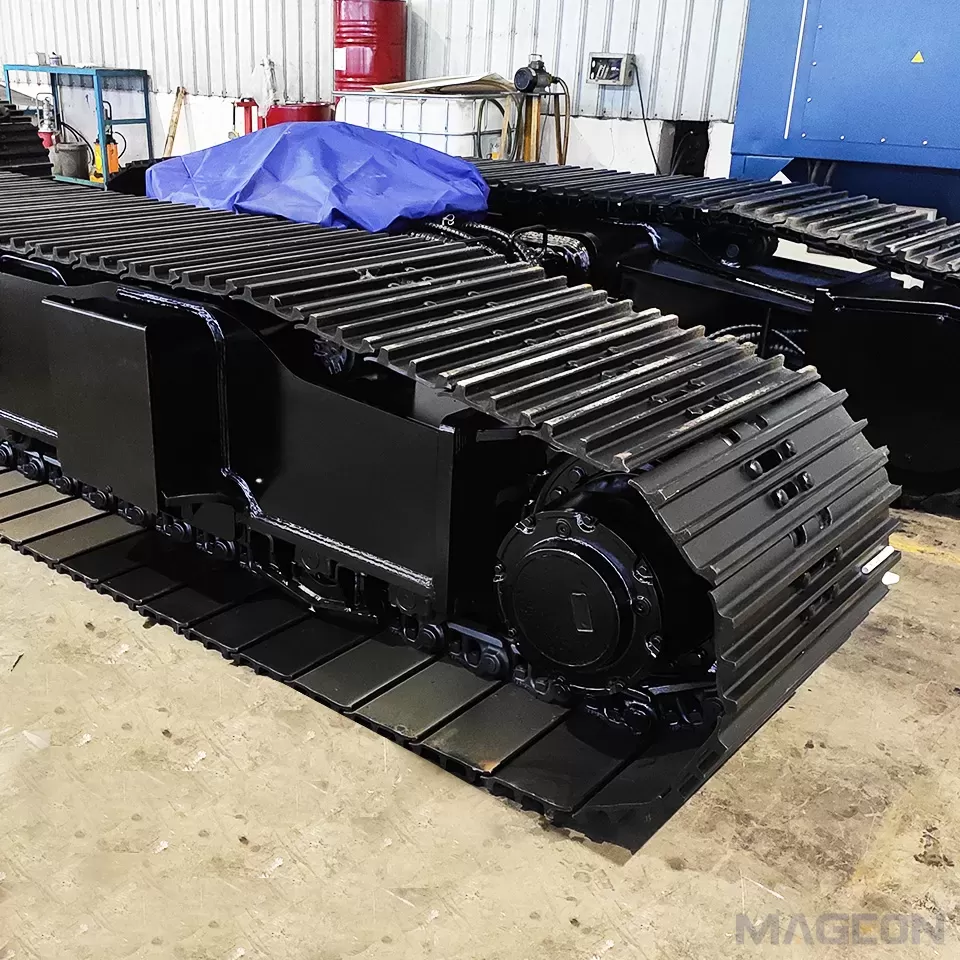
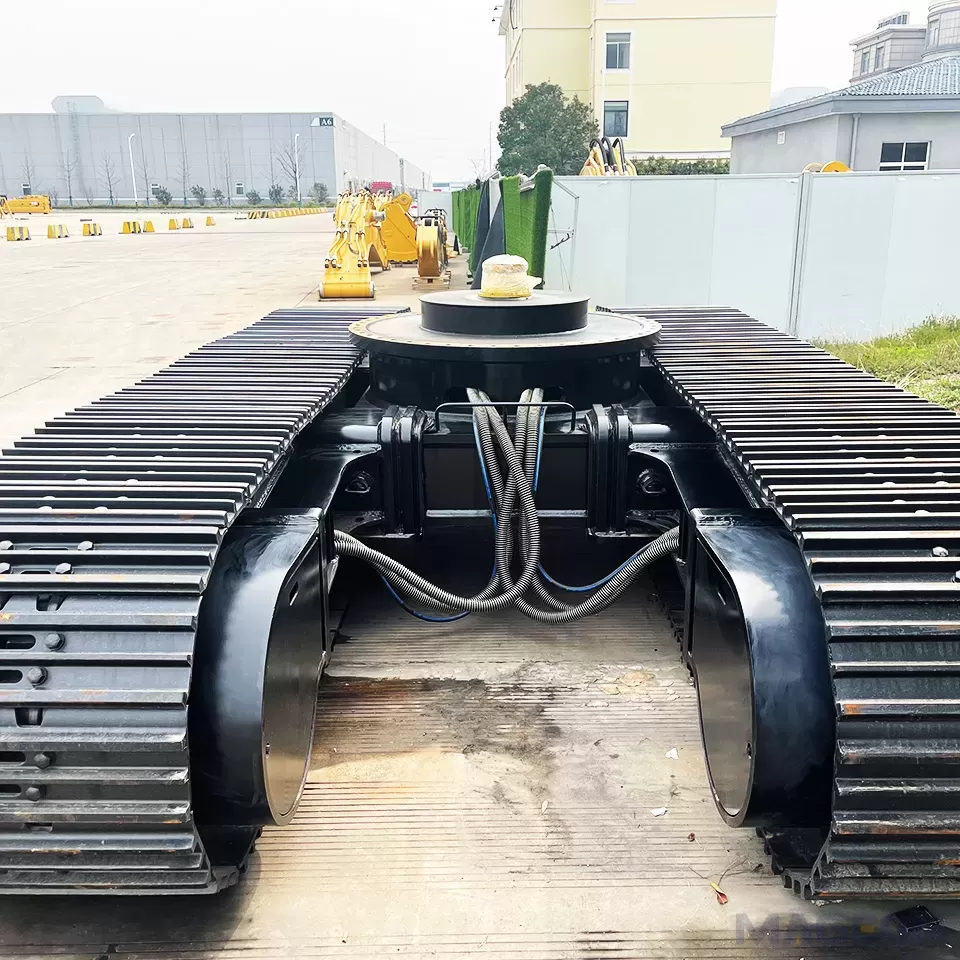
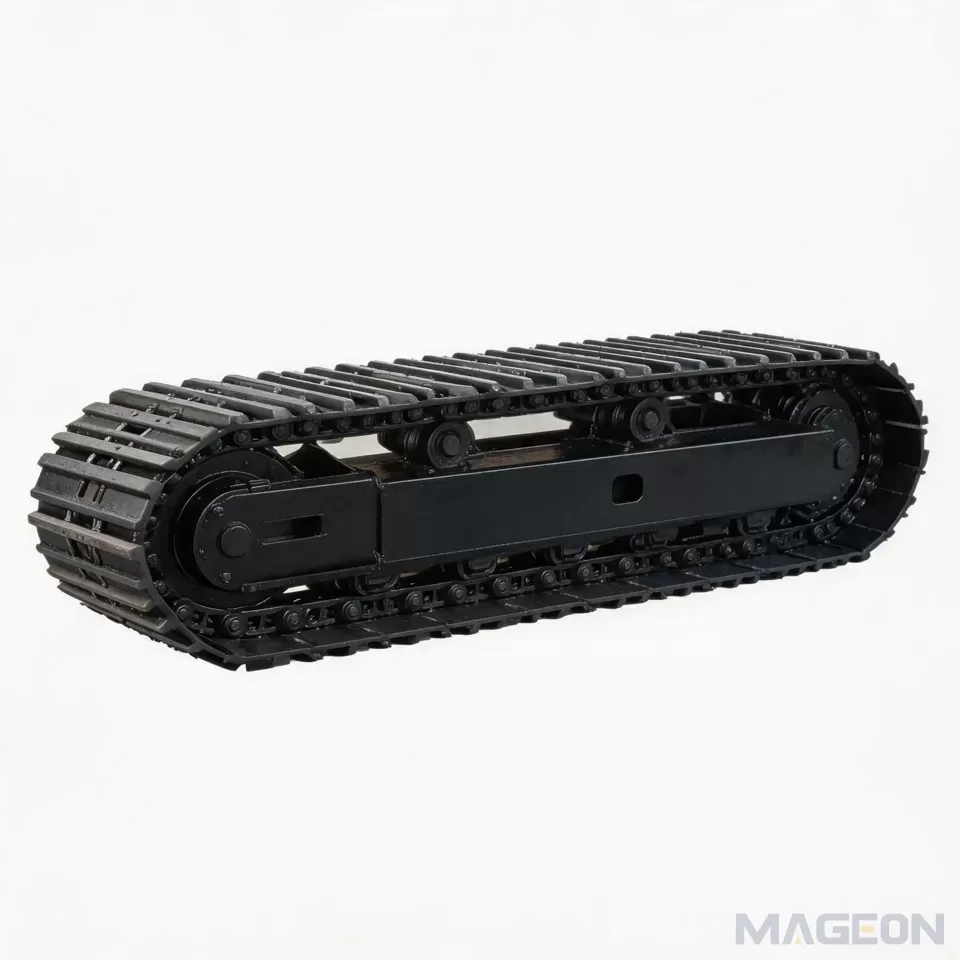
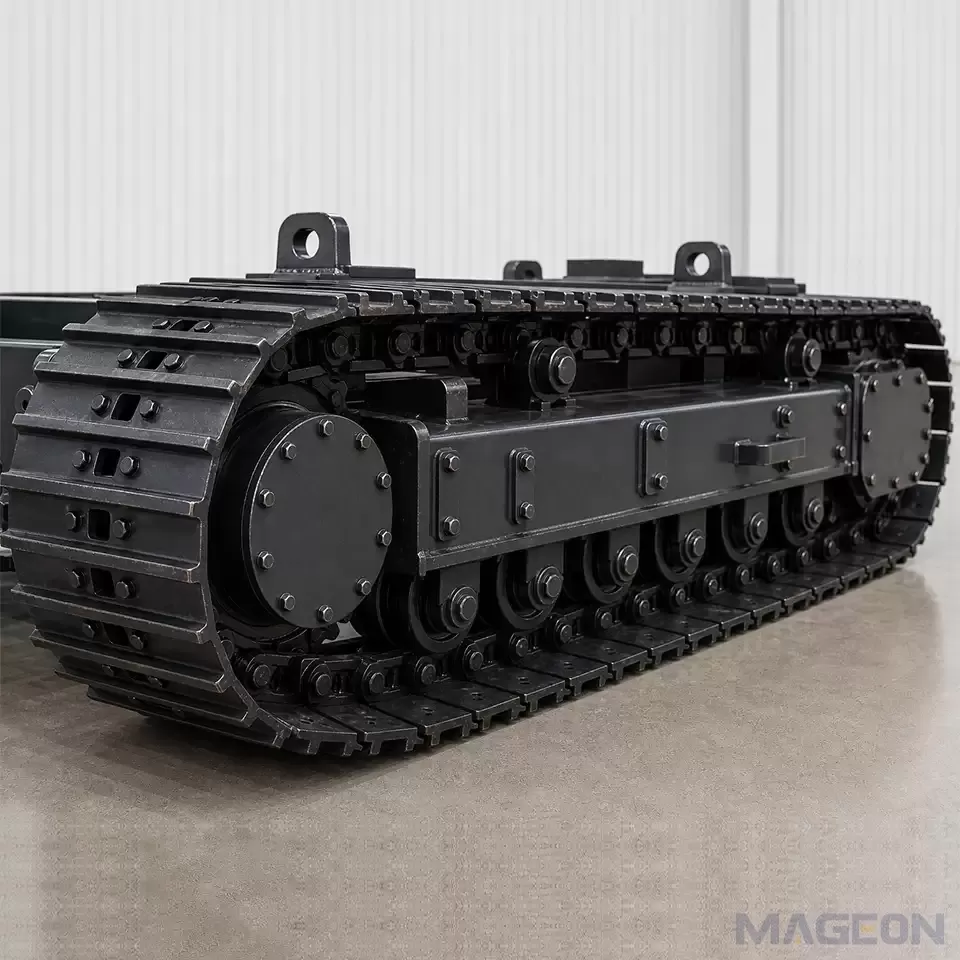
For a custom crawler undercarriage evaluation, MAGEON invites OEM teams to provide equipment, load, dimensional, and duty-condition information for a project-level technical evaluation or inquiry. The control-mode discussion can help define the wider system conversation, but it does not complete an undercarriage design.
Frequently Asked Questions
Does remote control mean the crawler machine is autonomous?
No. ISO 15817 covers remote operator control and explicitly excludes autonomous systems. Autonomous and semi-autonomous machine systems have a separate scope under ISO 17757.
Does a remote-control project automatically require a different undercarriage?
No. The control mode does not establish undercarriage values or a final configuration. Underframe and track decisions require actual equipment and duty inputs.
What should an OEM define before validation begins?
Define the operating role, control boundary, intended functional environment, machine functions, external interfaces, and current whole-machine integration information.
Can a website article establish compliance or certification?
No. This article summarizes public standards boundaries for decision preparation. Compliance, certification, and engineering validation require the applicable project scope and responsible technical process.
Please leave your customization requirements, and we will contact you as soon as possible!
Leave your requirements, we'll get back to you within 24 hours.