EU Machinery Regulation 2023/1230: What Crawler Undercarriage Buyers Should Verify
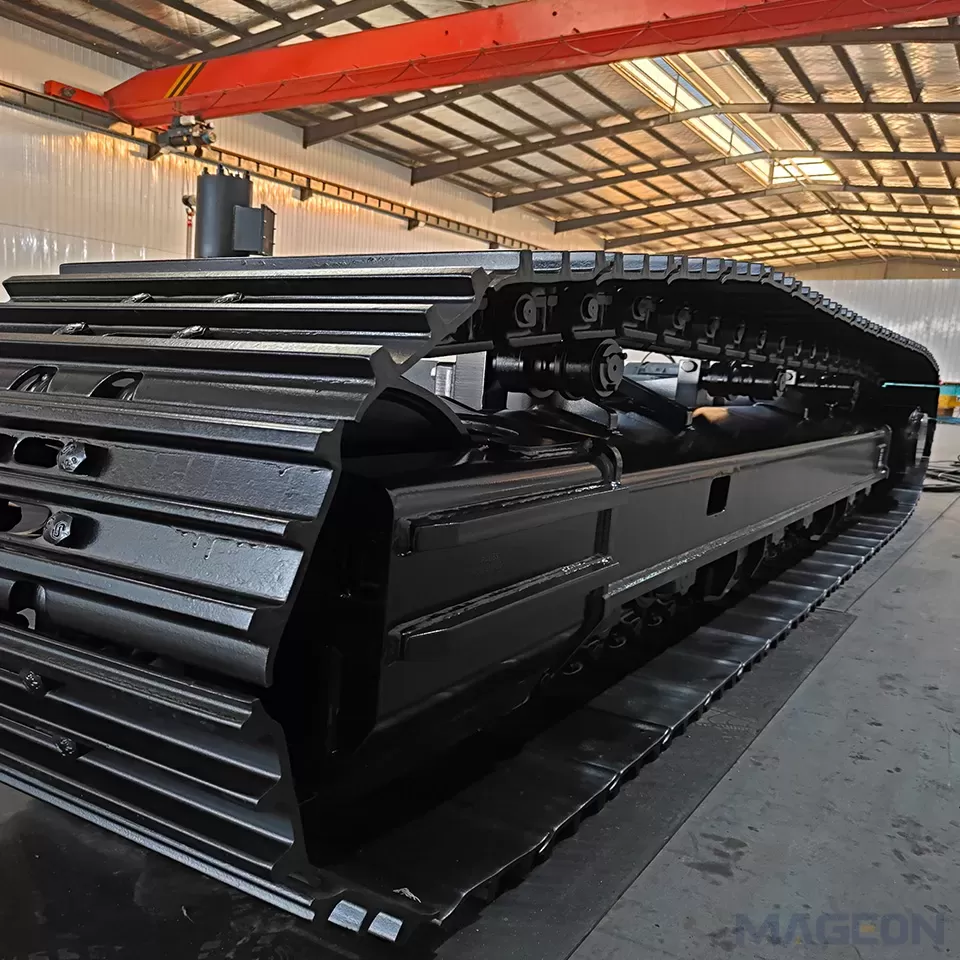
Regulation (EU) 2023/1230 on machinery applies on a mandatory basis from 20 January 2027, replacing Machinery Directive 2006/42/EC with no transitional period. For buyers of crawler undercarriages the practical significance is not a new test on the steel: it is that a supplied chassis is usually partly completed machinery, and the documentation that travels with it becomes part of the machine builder's conformity file. Knowing which documents to ask for, and which claims to treat carefully, is now a purchasing task as much as an engineering one.
The regulation was adopted on 14 June 2023 and published on 29 June 2023. Machinery placed on the EU market before 20 January 2027 must comply with Directive 2006/42/EC; from that date the Regulation applies directly. This article is general engineering guidance, not legal advice — confirm the specific route with your conformity assessor or notified body.
1. Why a Regulation Changes the Buying Conversation
A Directive has to be transposed into national law by each member state; a Regulation applies directly and uniformly. For a component supplier outside the EU, that reduces the variation in national interpretation but raises the importance of documentation: importers and distributors now carry explicit obligations under the New Legislative Framework, and they will ask upstream suppliers for evidence.
| Change under 2023/1230 | What it means in practice for an undercarriage order |
|---|---|
| Direct application as a Regulation | One set of requirements across the EU; fewer country-specific interpretations to negotiate, but less tolerance for informal documentation |
| Partly completed machinery provisions | A chassis supplied for integration needs a declaration of incorporation and assembly instructions, not a CE mark as a finished machine |
| Digital documentation permitted | Instructions and the declaration may be supplied digitally under defined conditions; agree the format and retention with the buyer |
| Substantial modification concept | Converting or significantly modifying an existing machine can create new conformity obligations for the party making the change — relevant to wheel-to-track conversions |
| Cybersecurity and software with safety functions | Where a chassis controller or safety-related software is supplied, software versions, protection against corruption and intervention records become documented items |
| Higher-risk products and notified bodies | Some categories now require third-party conformity assessment; check whether the finished machine falls into one of them |
| Obligations on importers and distributors | EU-side partners will request traceable technical evidence, so document completeness becomes a commercial condition of sale |
2. The Key Question: Is Your Chassis Partly Completed Machinery?
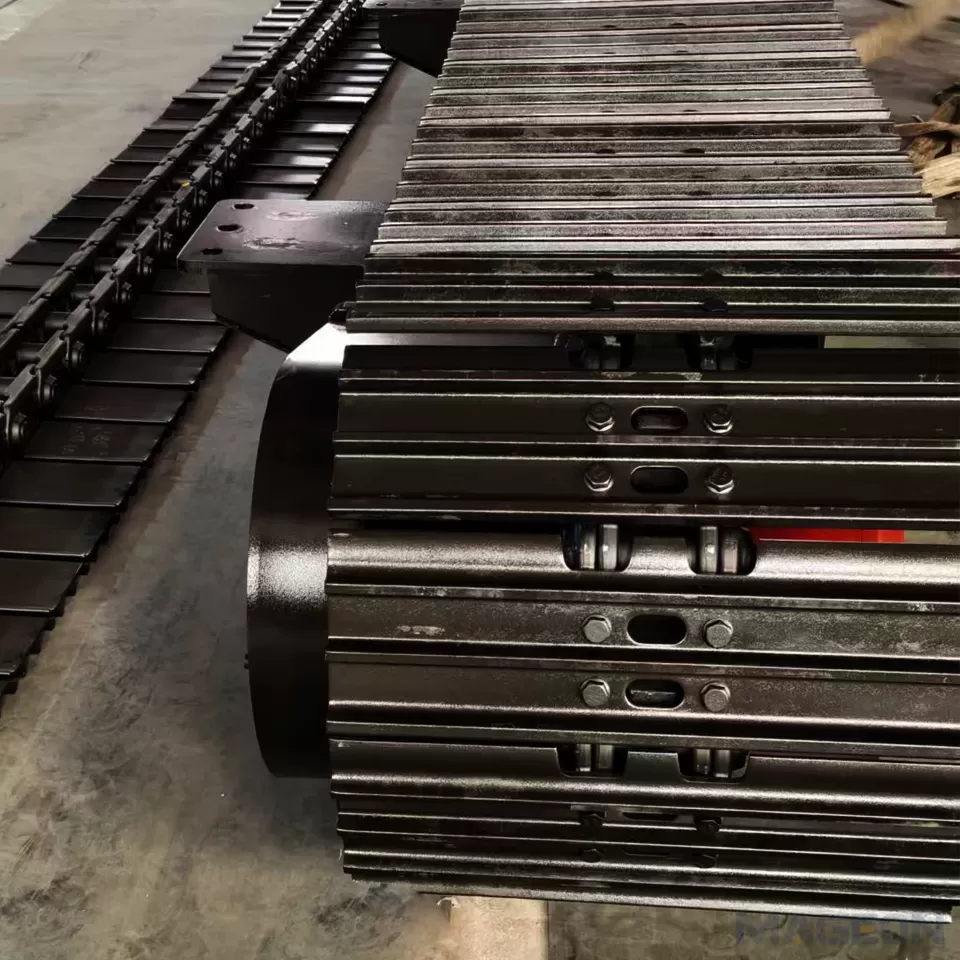
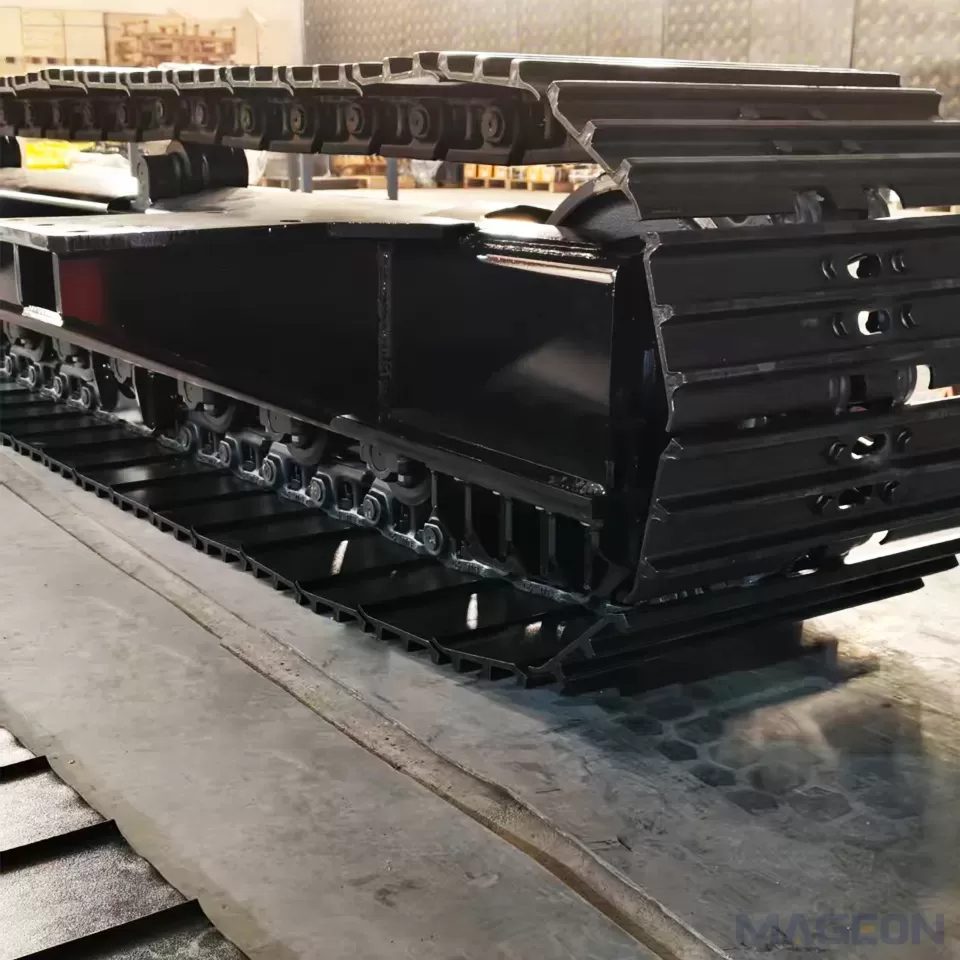
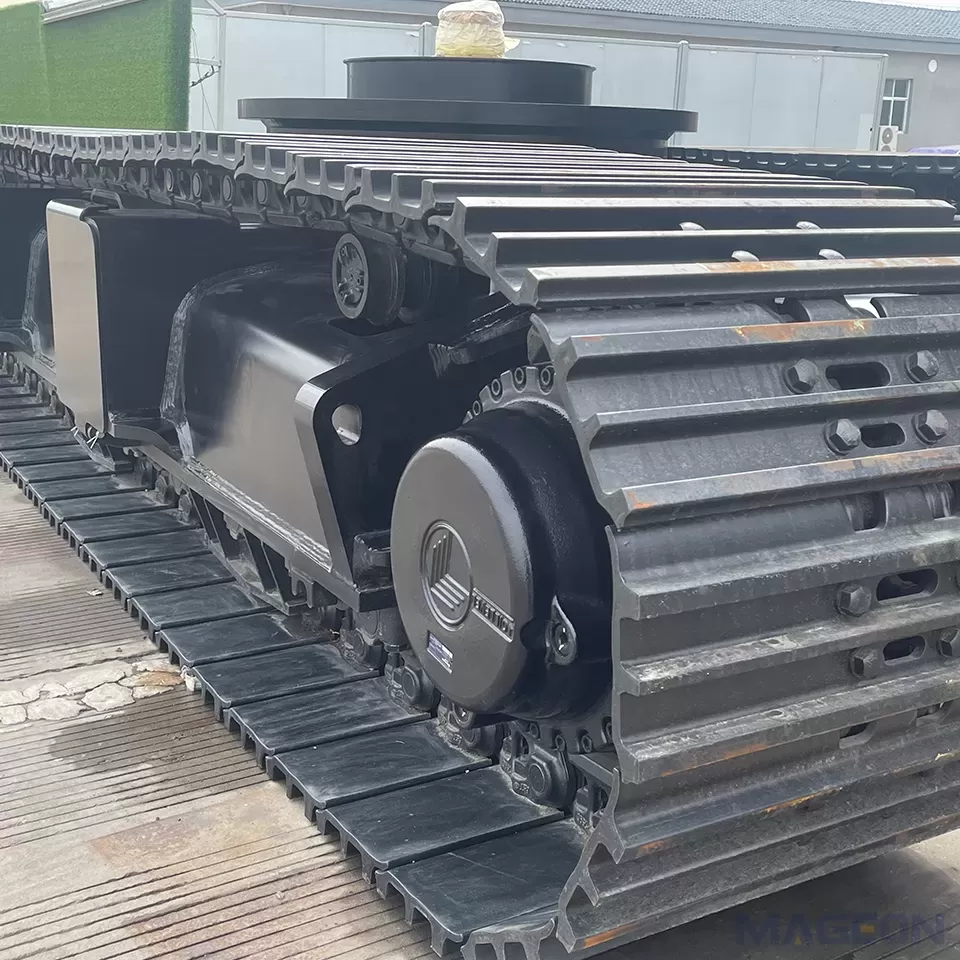
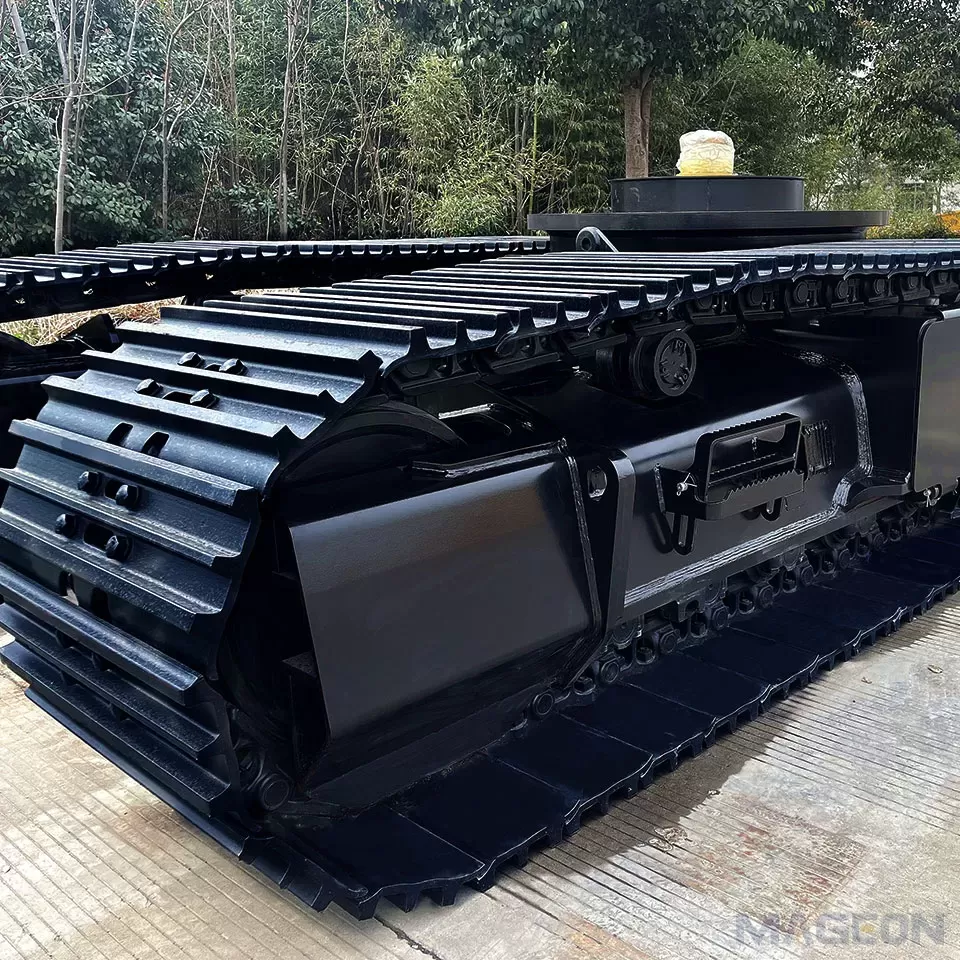
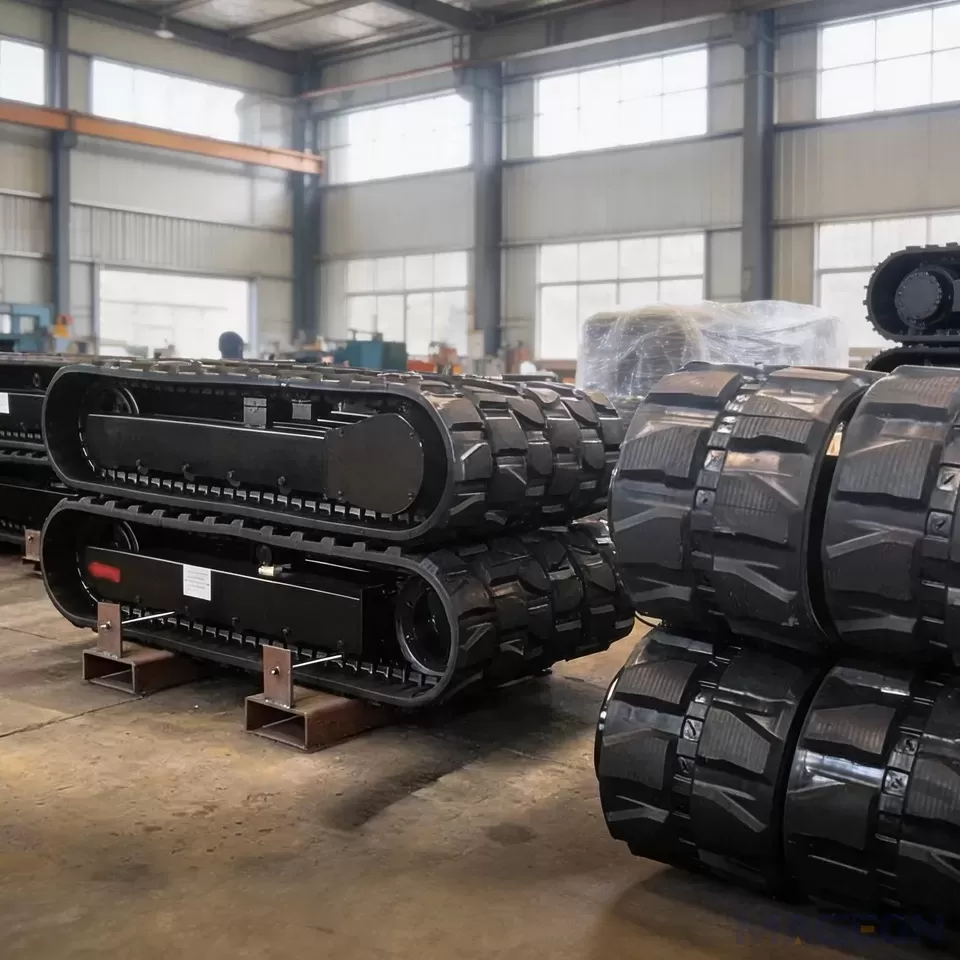
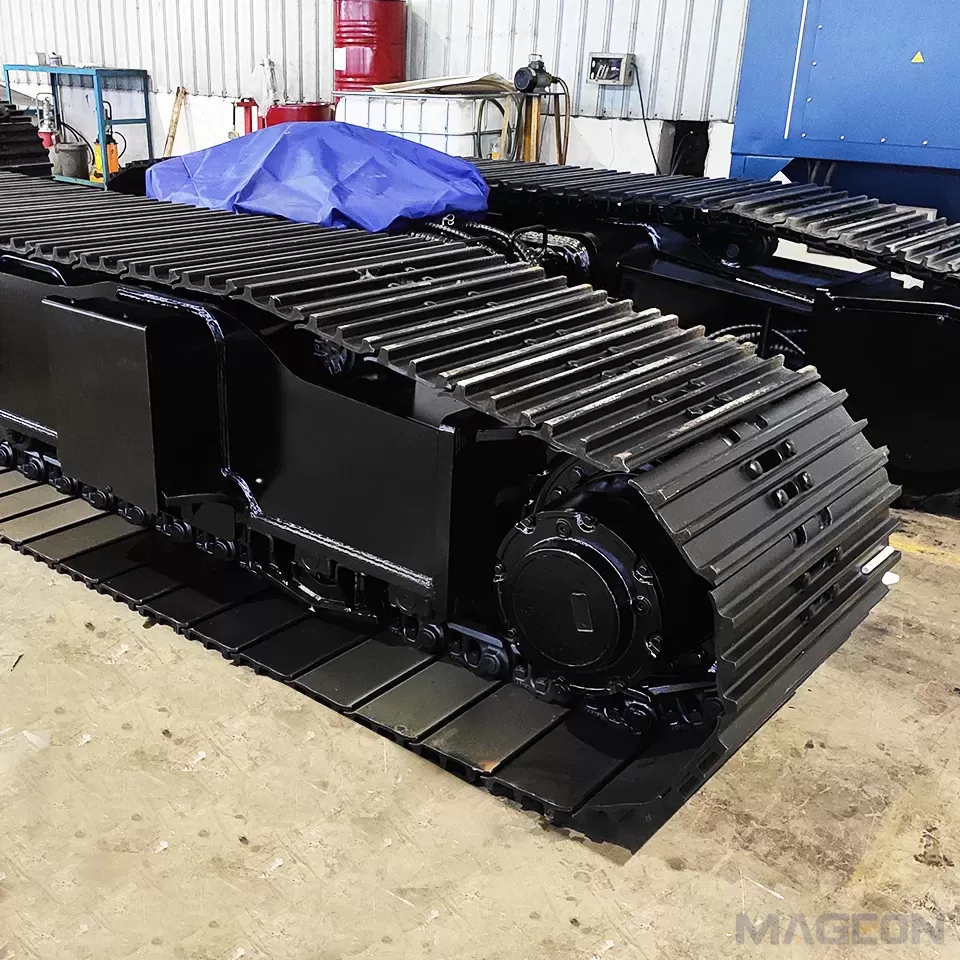
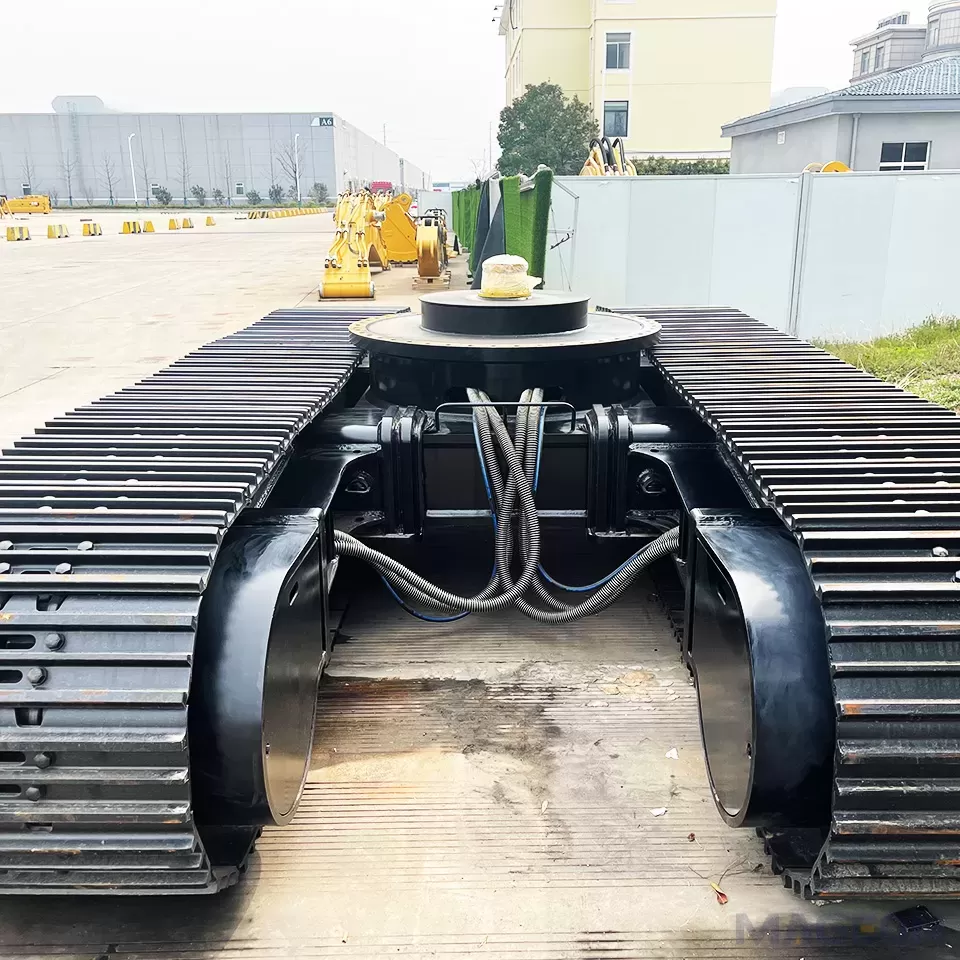
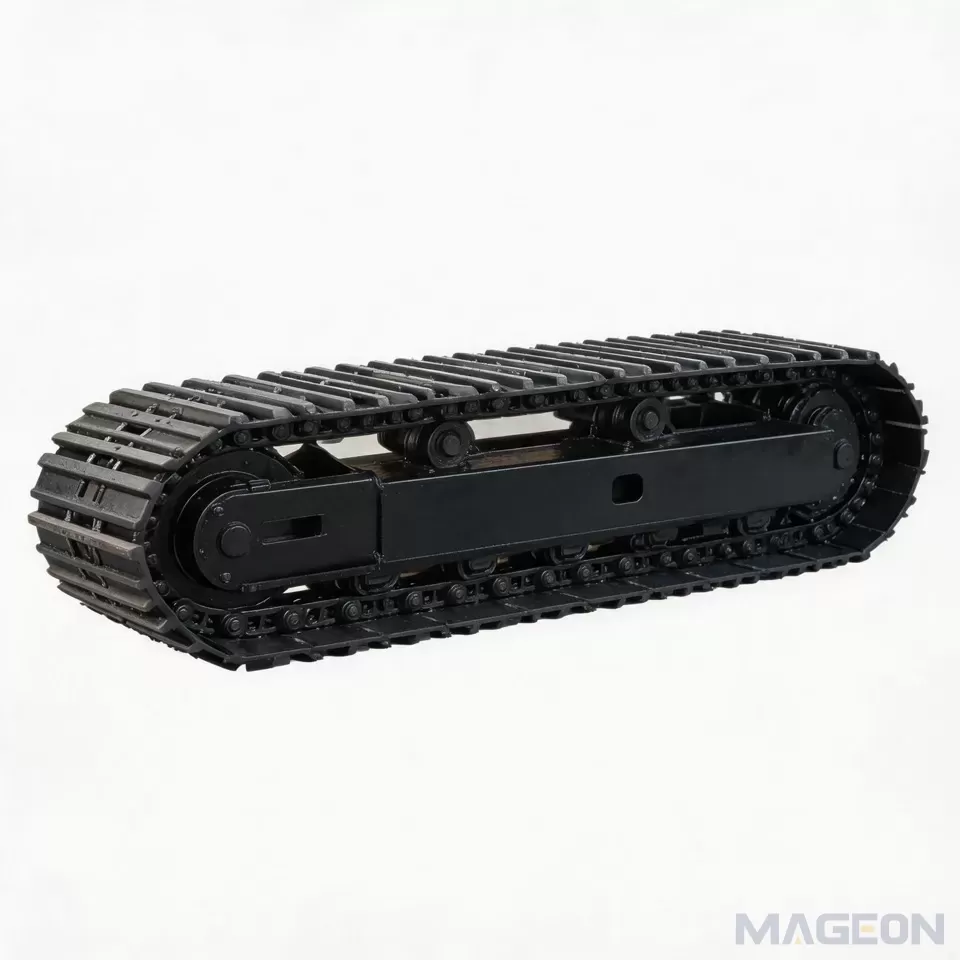
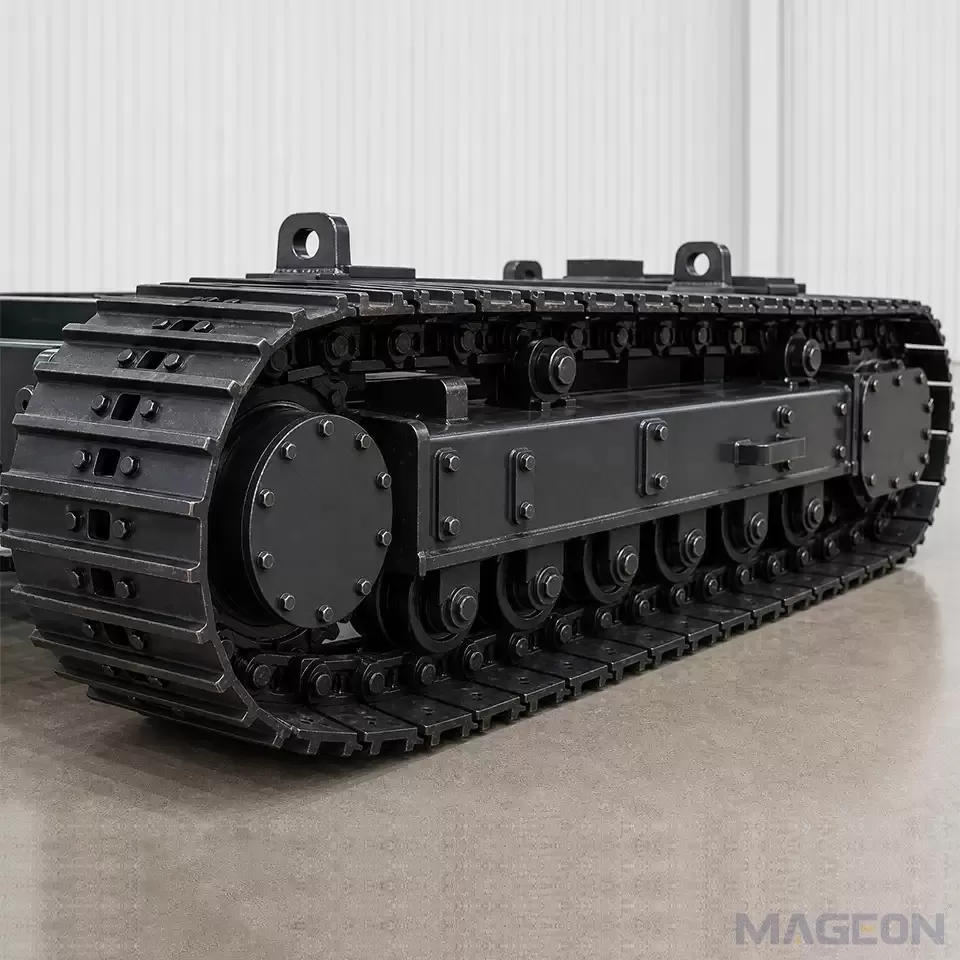
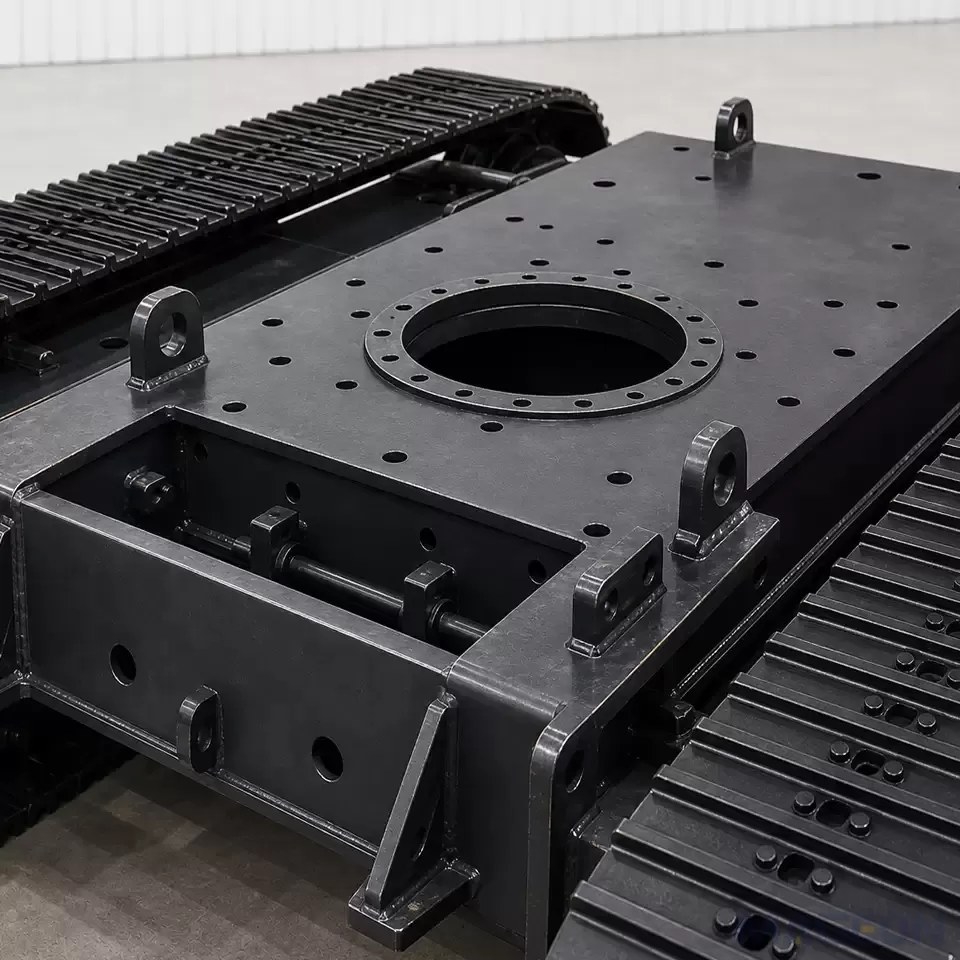
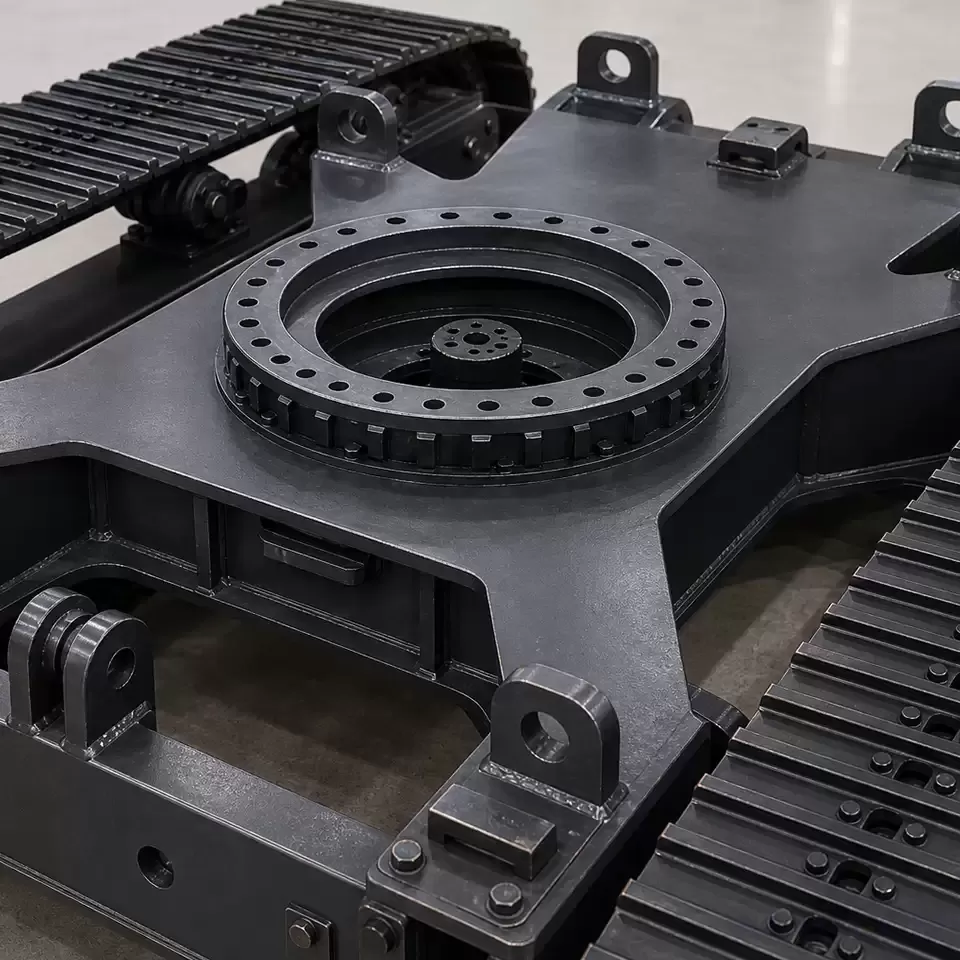
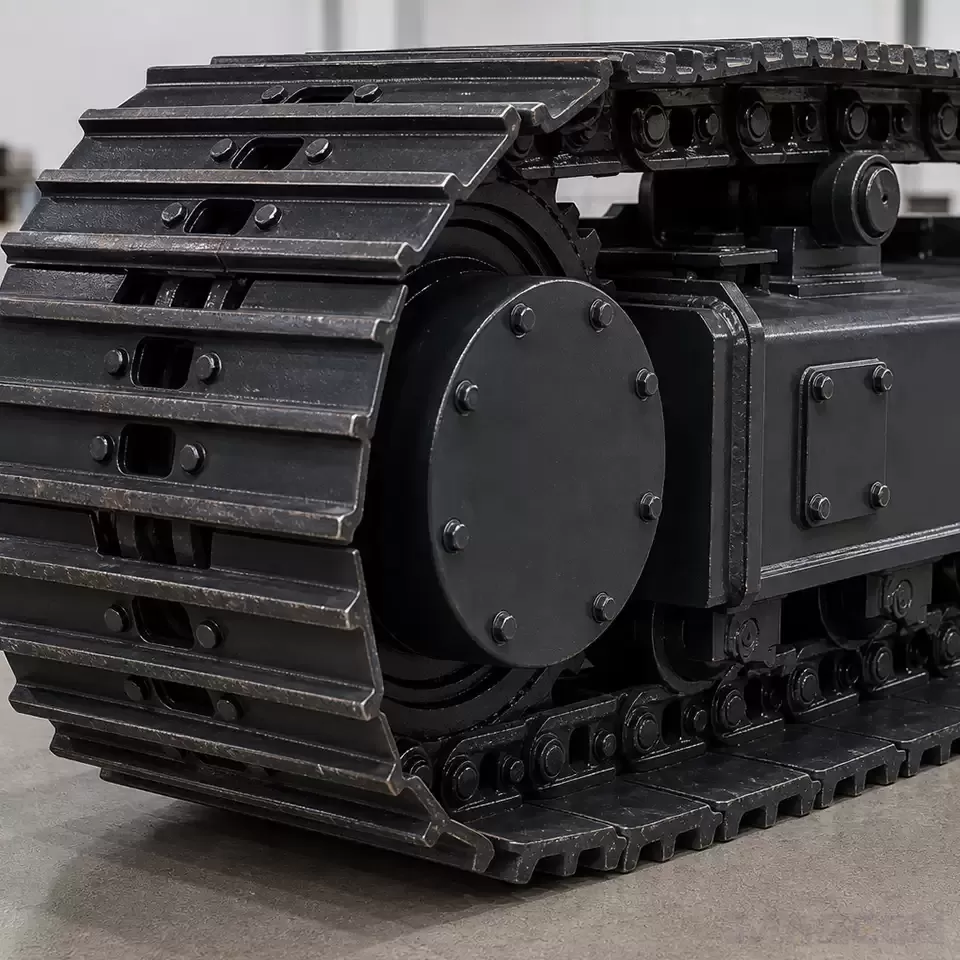
A crawler undercarriage delivered as a frame, tracks and drive — without a complete upper structure performing a defined function — generally cannot be CE marked as a stand-alone finished machine. It is normally treated as partly completed machinery: it is intended to be incorporated into, or assembled with, other machinery to form a machine covered by the Regulation.
For that reason, a supplier claiming "CE certified undercarriage" should be able to explain exactly what the claim covers. A factory quality certification such as ISO 9001, a material test certificate and a CE-marked machine are three different things, and they are frequently conflated in quotations. Ask which document is being offered and what its scope is.
The typical documentation set for partly completed machinery includes a declaration of incorporation, assembly and installation instructions describing how to integrate the chassis into the finished machine, and relevant technical documentation made available on a reasoned request. The finished machine manufacturer then carries out the risk assessment, conformity assessment and EU declaration of conformity for the whole machine, and applies the CE marking.
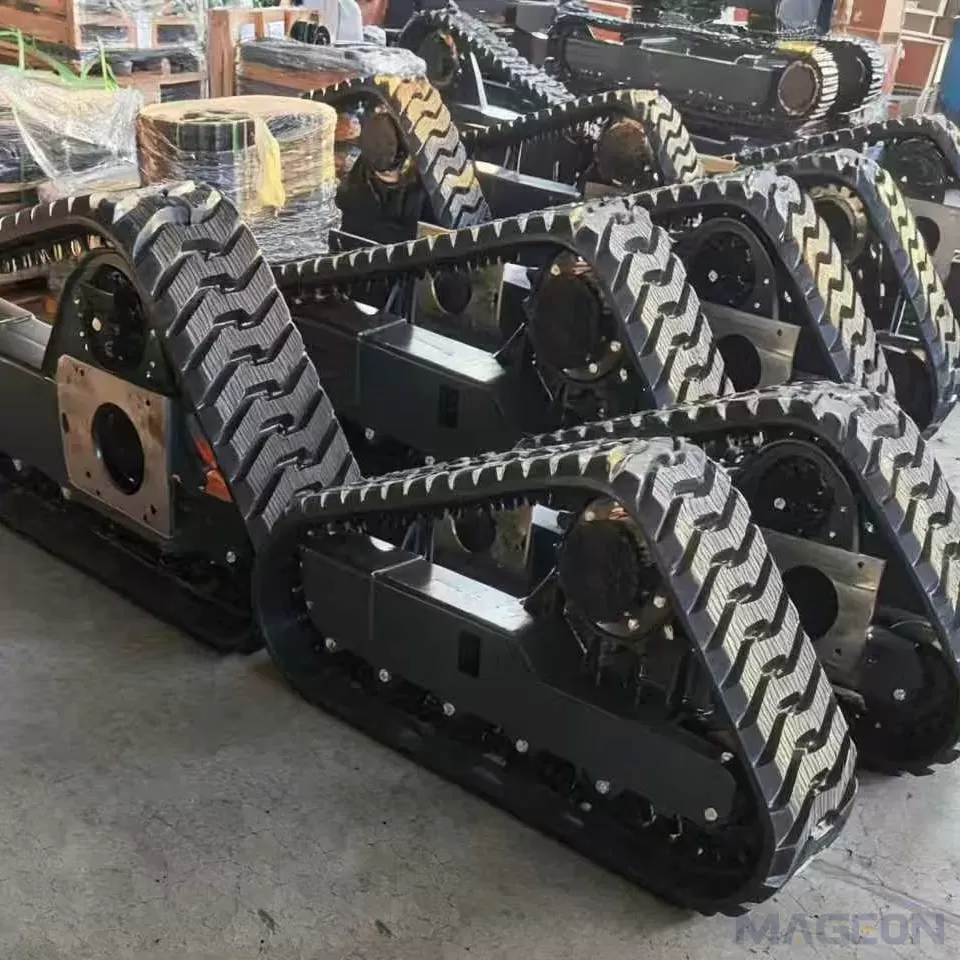
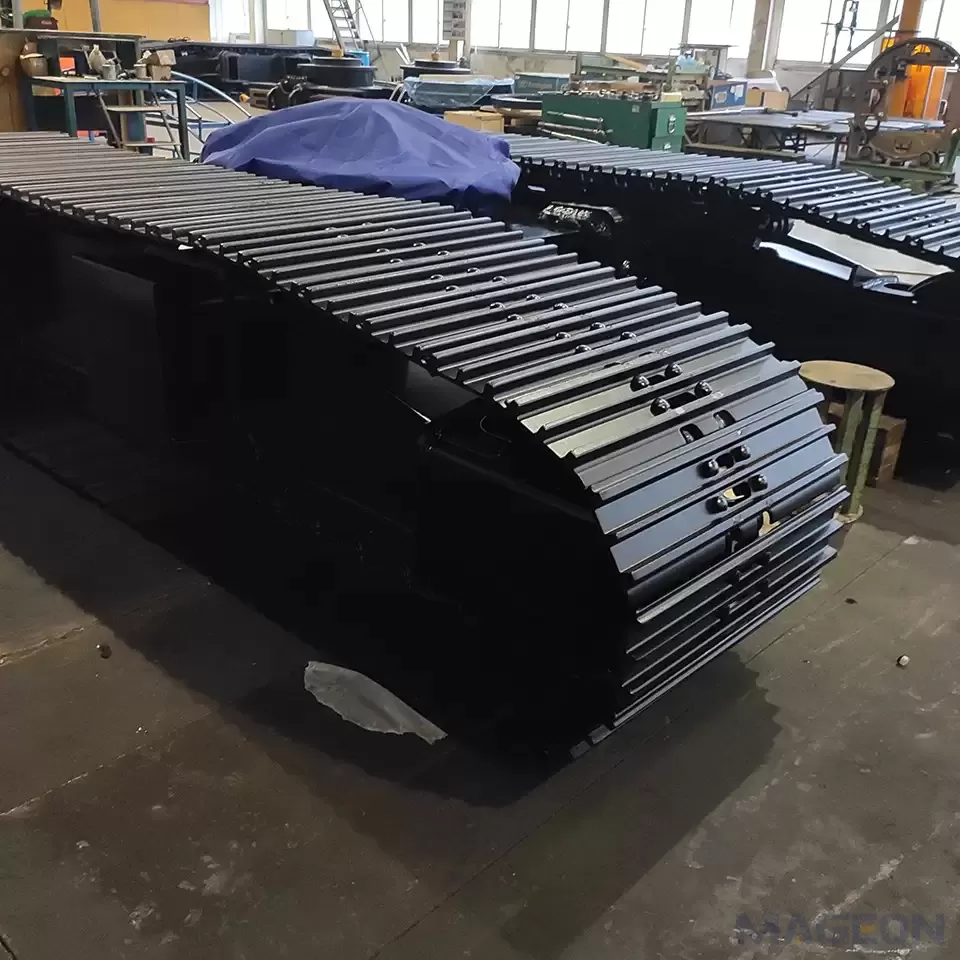
This distinction matters especially for excavator conversion undercarriages and custom tracked chassis, where a wheeled machine is converted or a new machine is built around a supplied chassis. Under the Regulation, substantial modification of an existing machine can bring new obligations for the party making the change, so the conversion scope should be documented rather than treated as a simple parts swap.
3. Buyer Verification Checklist
The following questions are worth putting in the enquiry rather than raising at goods-in:
- Is the supplied item classified as partly completed machinery, and is a declaration of incorporation provided?
- Are assembly instructions available in the language required by the destination market, and can they be supplied digitally if the buyer's process allows it?
- Which harmonised standards or common specifications have been applied to the design and manufacture of the chassis?
- What technical documentation will be made available on a reasoned request, and in what format and language?
- Are material certificates, welding procedure qualification and NDT records available for the frame (see our welding qualification guide)?
- Where a controller or safety-related software is supplied, is there a record of software version, protection against corruption and intervention history?
- If the finished machine falls into a higher-risk category, has the conformity assessment route been agreed with the relevant body?
- For a conversion project, who is responsible for assessing whether the modification is substantial?
Ask for sample documents, not just a statement that documents can be provided. Reviewing a blank declaration of incorporation at the quotation stage is far quicker than discovering at customs that the wording does not match the buyer's technical file.
4. Engineering Evidence That Supports the Conformity File
Compliance documentation rests on engineering records. The evidence an undercarriage supplier can realistically provide includes the approved OEM/ODM interface drawing and its revision history, load case calculations and ground pressure or tractive effort calculations, material certificates for structural plate, welding procedure qualification and inspection reports, the hydraulic schematic with identified ports and safety functions, dimensional and functional test records, and the spare parts and maintenance instructions.
These are the same records that make a chassis straightforward to integrate and service. A supplier with a controlled engineering process can usually produce them without a special project; a supplier without one will struggle to reconstruct them after the fact.
5. Timing: What to Do Before January 2027
Because there is no transitional period between the Directive and the Regulation, machines placed on the EU market before 20 January 2027 follow 2006/42/EC and those placed from that date follow 2023/1230. For OEMs with long development and delivery cycles, a machine designed in 2026 may well be placed on the market in 2027. It is worth agreeing now which basis the technical file will use, and asking the chassis supplier to prepare documentation that is usable under either route.
In practice, this means writing the documentation requirements into the purchase order for projects crossing the date, and avoiding the assumption that a file prepared entirely under the old Directive will need no additions.
Frequently Asked Questions
Does a crawler undercarriage need its own CE marking?
Usually not as a finished machine. A chassis supplied for integration into a machine is normally partly completed machinery, accompanied by a declaration of incorporation and assembly instructions. The finished machine manufacturer applies the CE marking to the whole machine.
When exactly does the new Regulation apply?
Regulation (EU) 2023/1230 applies on a mandatory basis from 20 January 2027. Machinery placed on the EU market before that date must comply with Directive 2006/42/EC, and there are no transitional provisions between the two.
Is ISO 9001 the same as CE conformity?
No. ISO 9001 certifies a supplier's quality management system. It is useful evidence of process control, but it is not a product conformity assessment and does not replace the declaration of conformity or incorporation.
Related Products and Next Step
MAGEON supplies steel crawler undercarriages, excavator conversion undercarriages and custom tracked chassis with engineering and inspection documentation aligned to the buyer's technical file. State your destination market, the classification of the finished machine and the required document list in your OEM/ODM enquiry so the correct package can be prepared during manufacture.
Please leave your customization requirements, and we will contact you as soon as possible!
Leave your requirements, we'll get back to you within 24 hours.