Rubber Track vs Steel Track Undercarriage: Full Difference Analysis
Rubber Track vs Steel Track Undercarriage: Which Is Better?
1. Core Differences in Material & Performance
Rubber track and steel track undercarriage are the two mainstream types of crawler chassis in the European market, with huge differences in material composition, performance parameters, and applicable scenarios. European fleet owners need to select according to local working conditions, otherwise it will lead to shortened service life and increased maintenance costs.
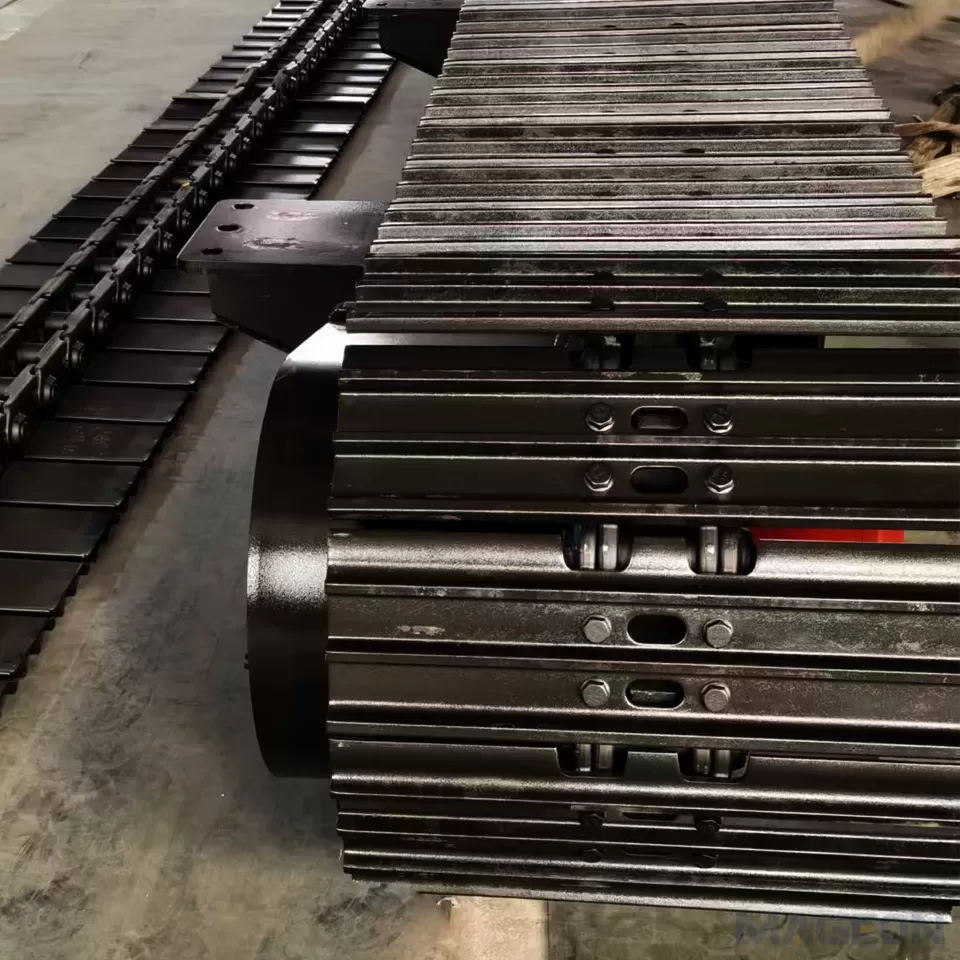
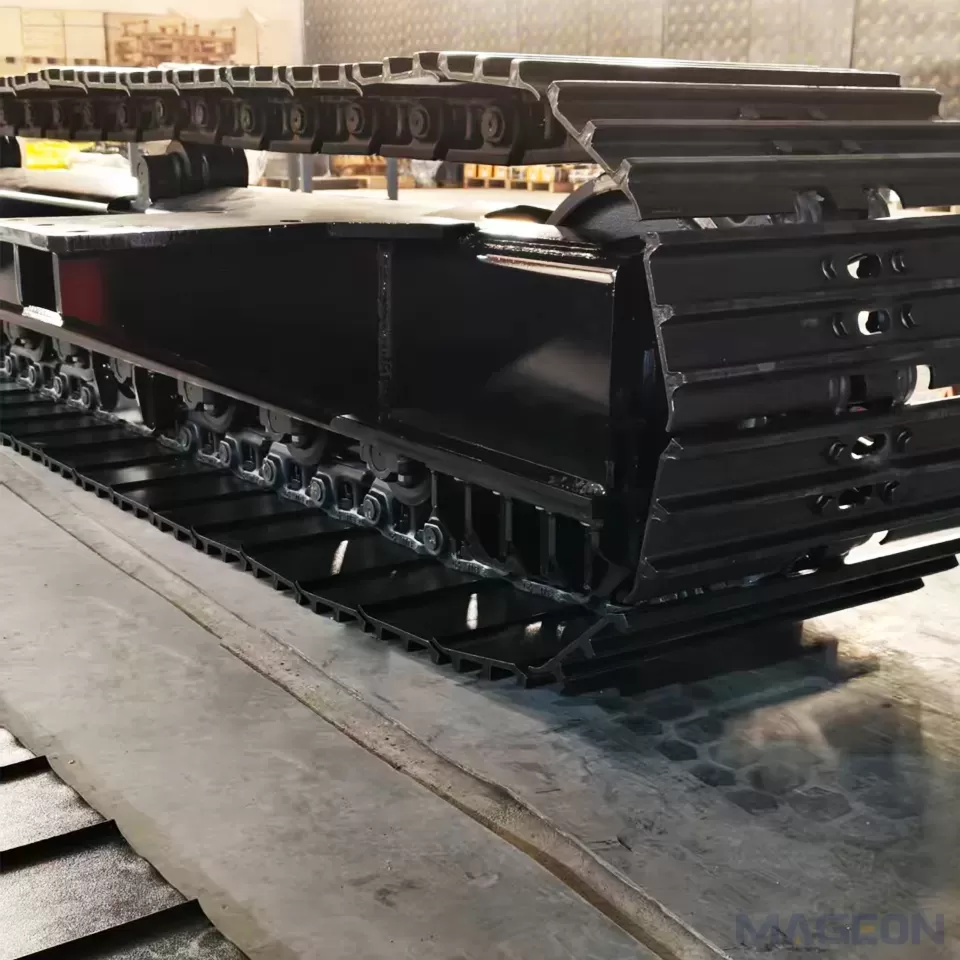
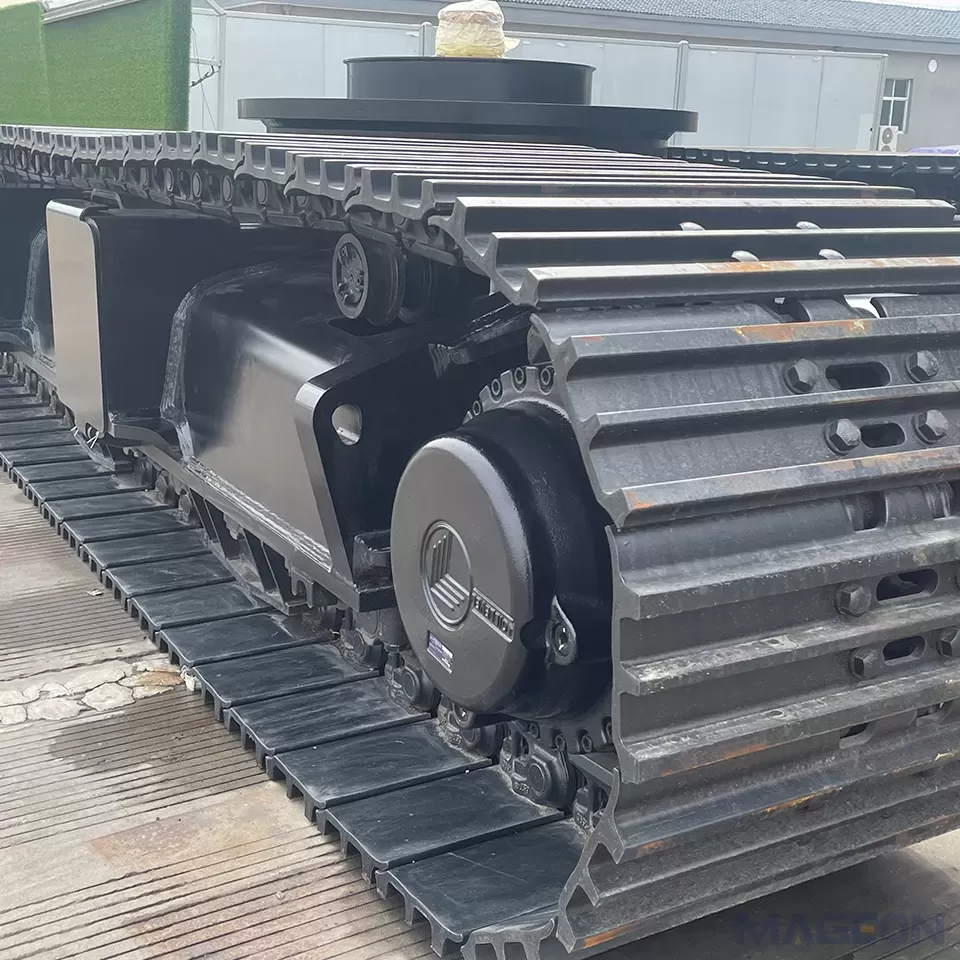
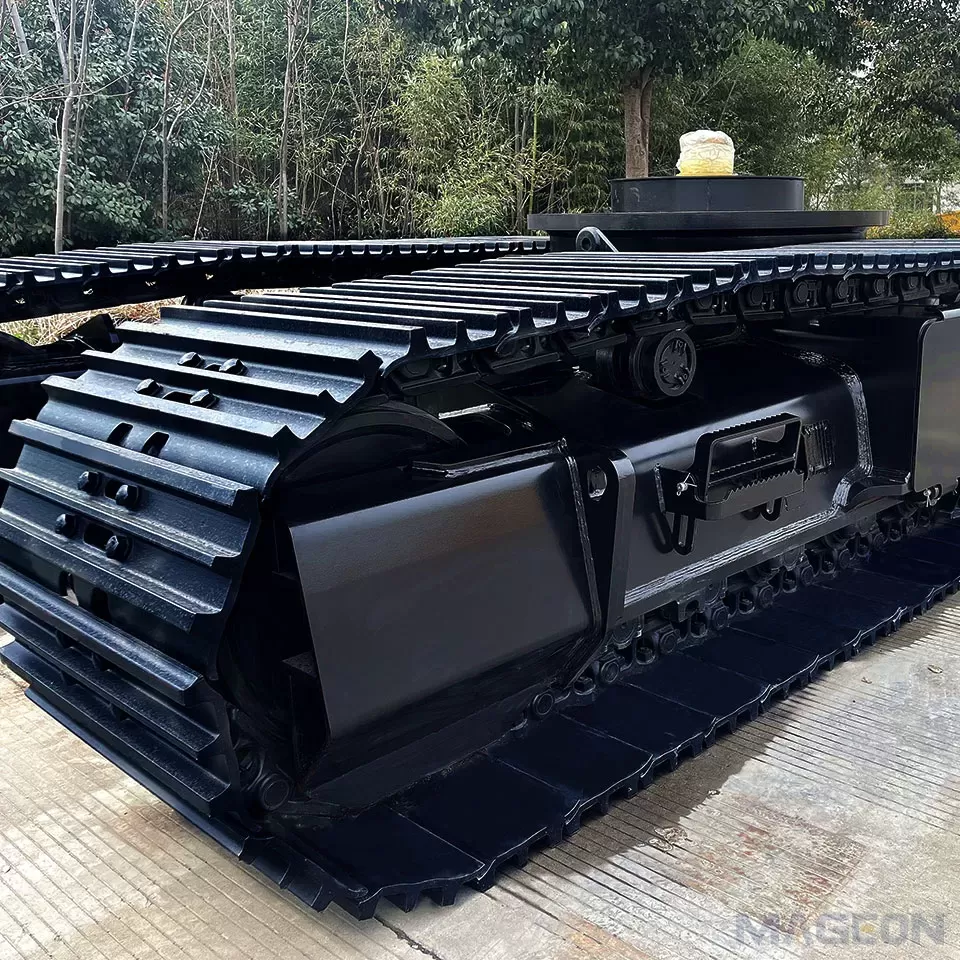
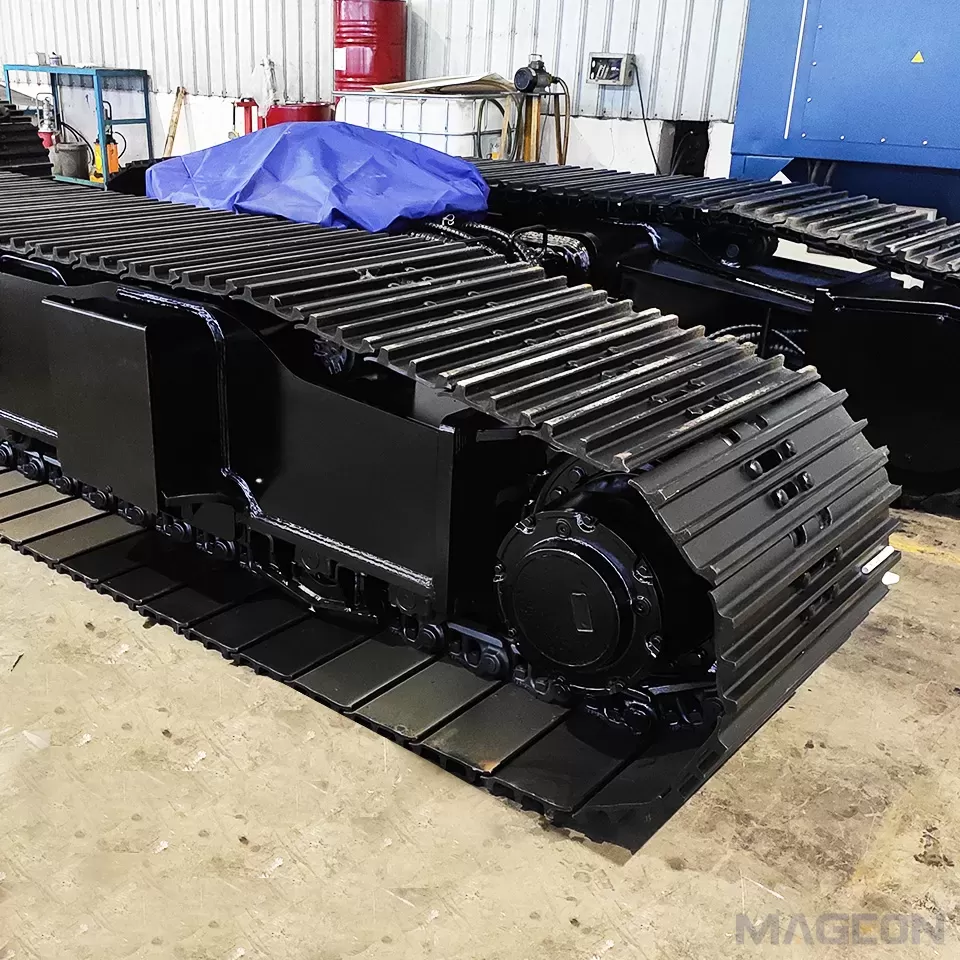
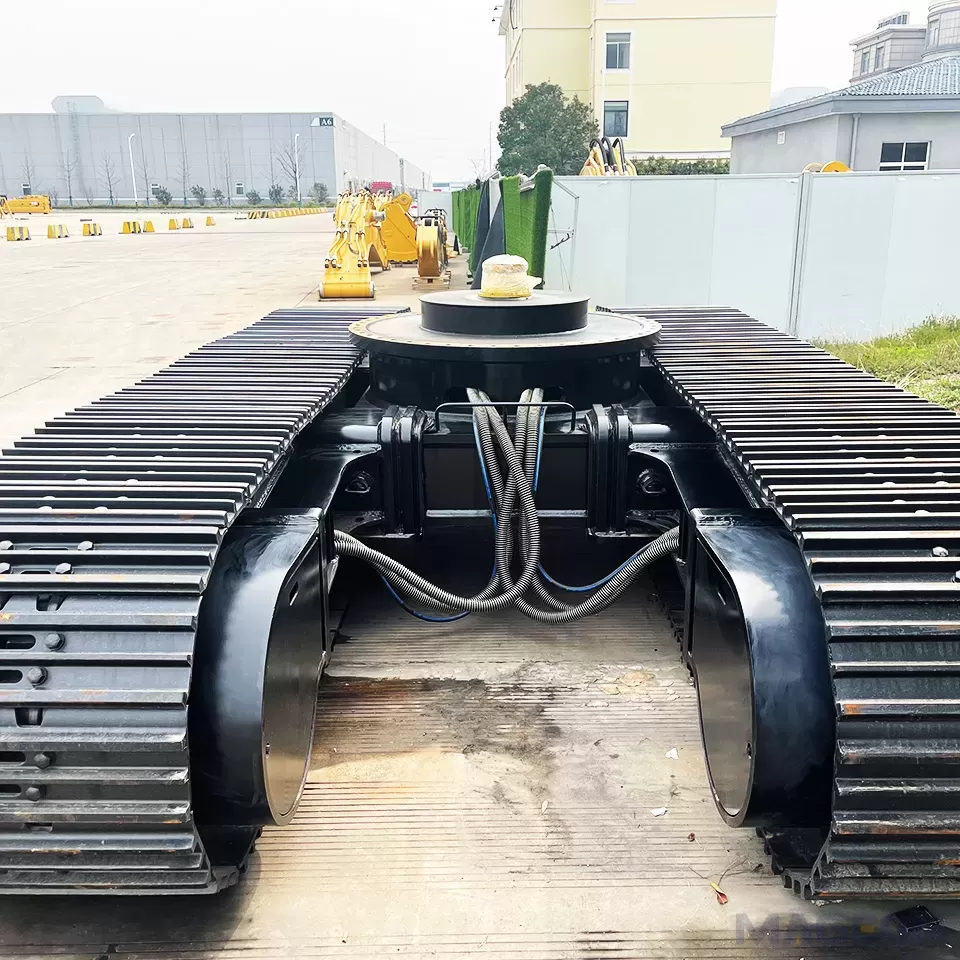
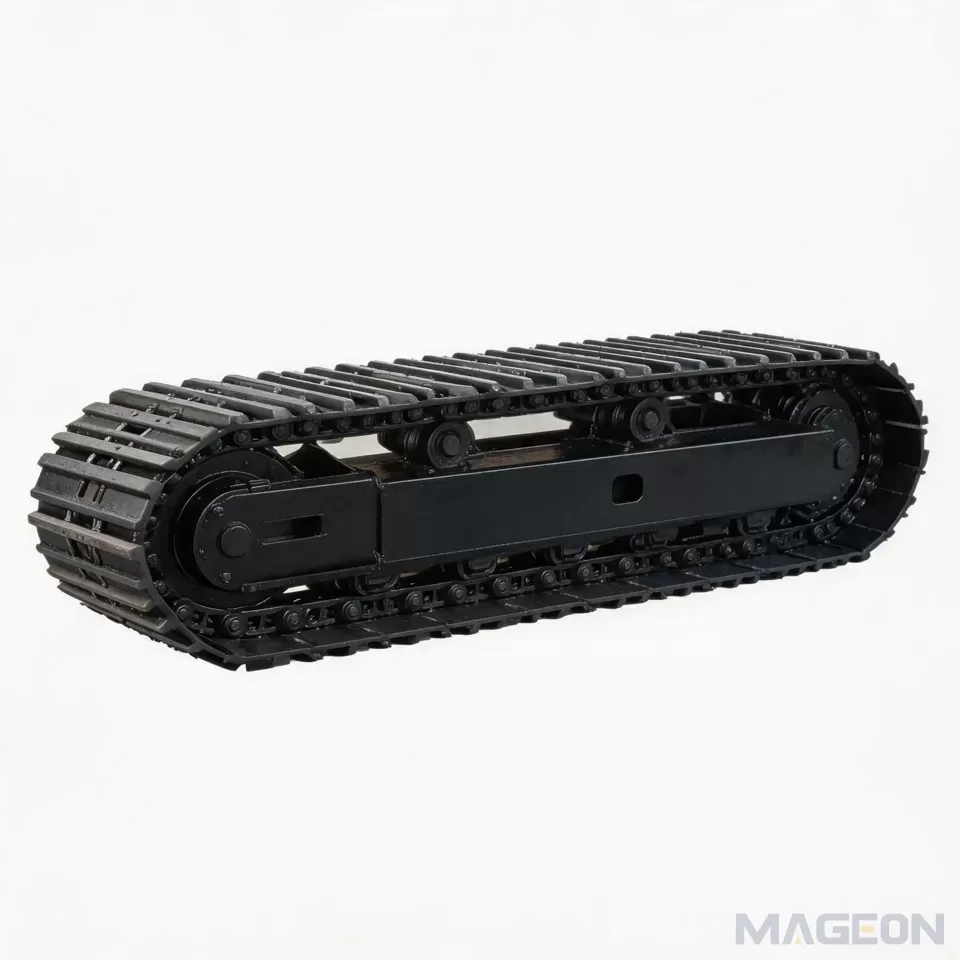
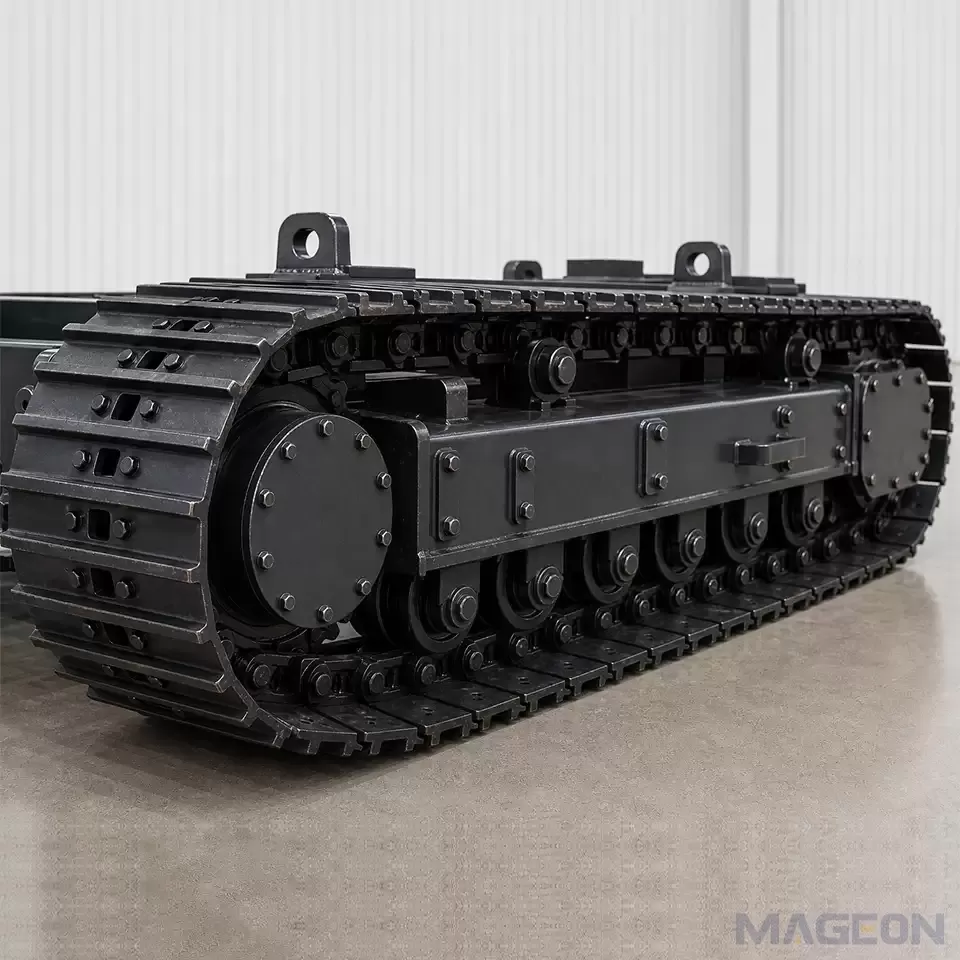
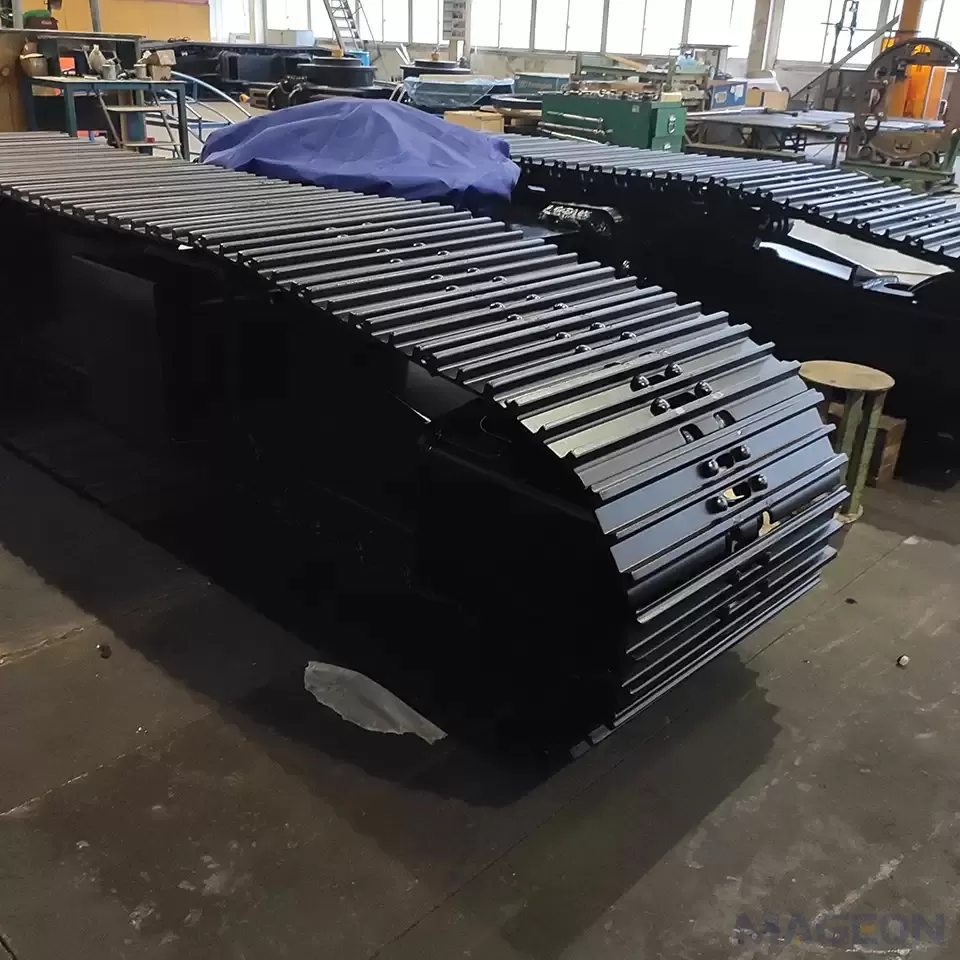
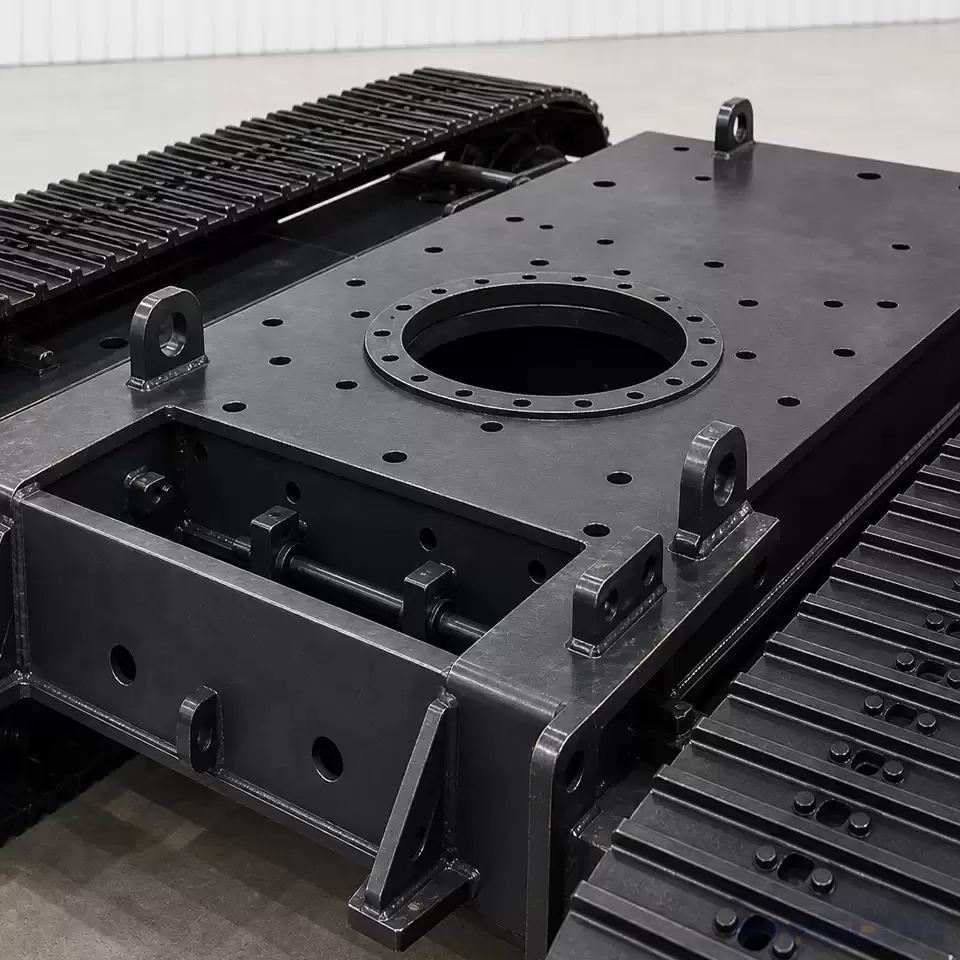
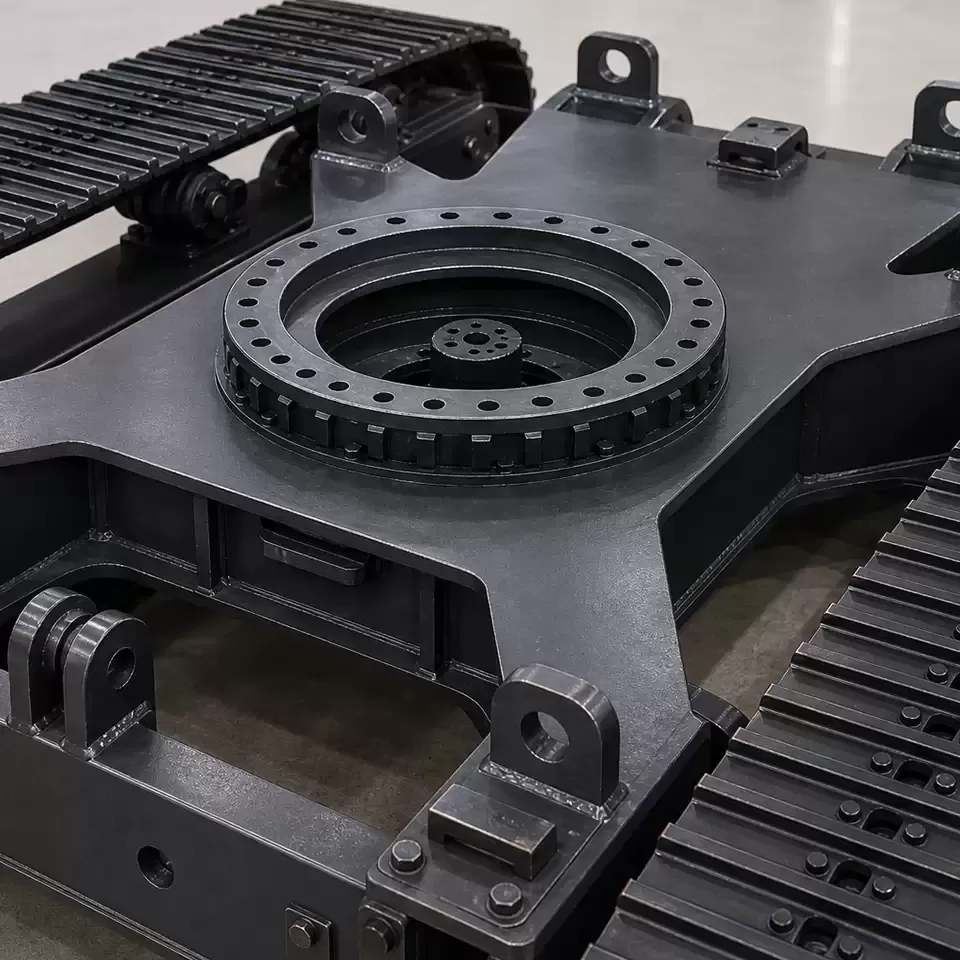
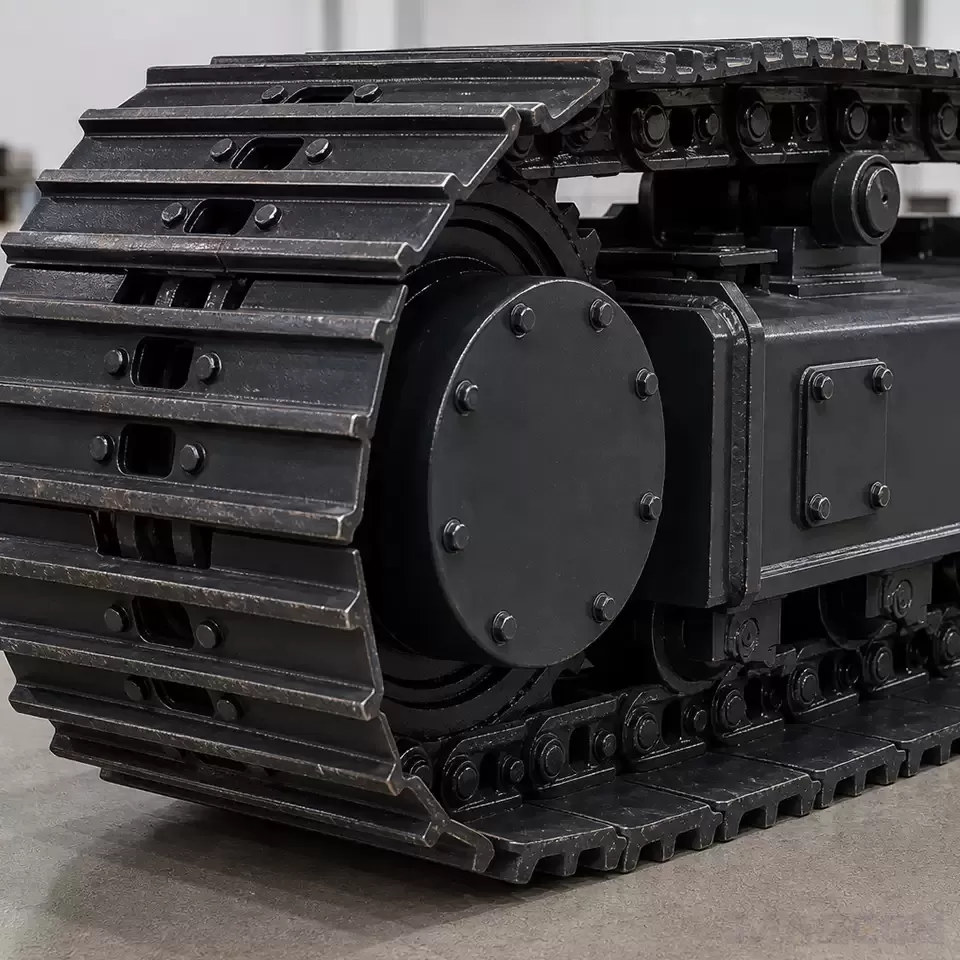
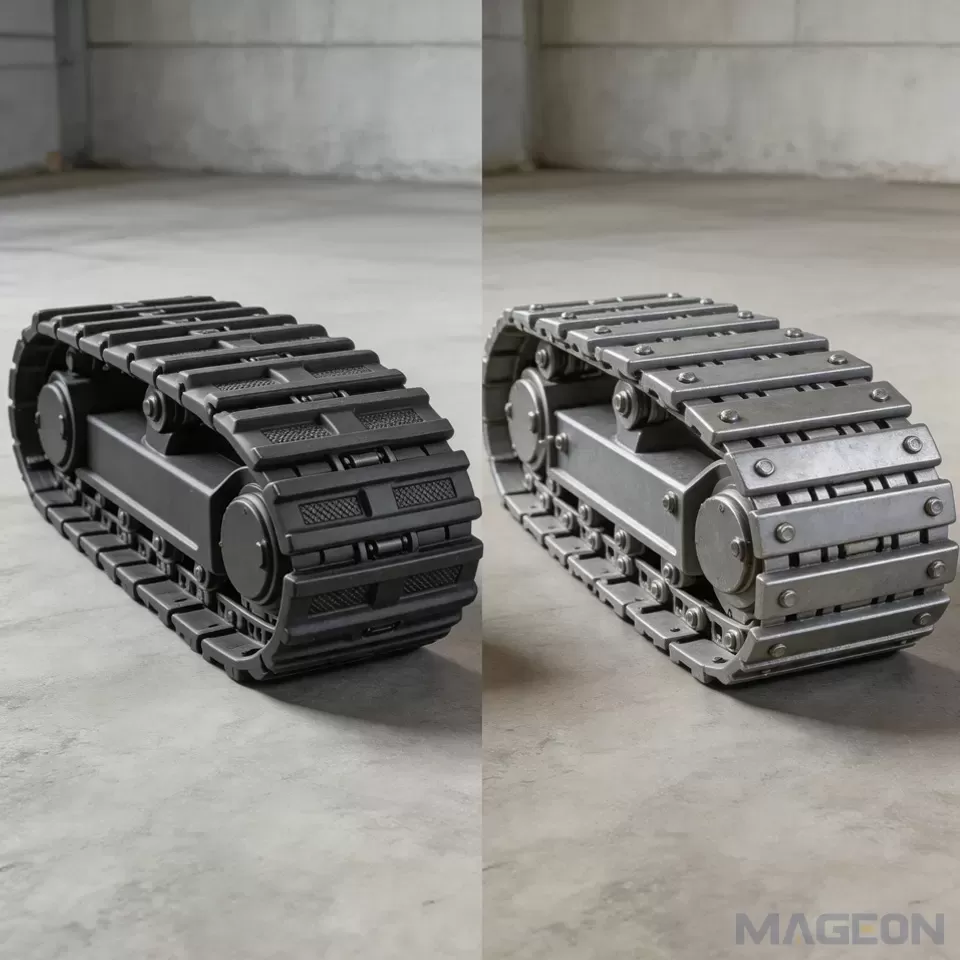
Steel track undercarriage is made of high-manganese alloy steel, featuring high hardness, strong impact resistance, and super load-bearing capacity. It can bear 50-120 tons of heavy load, resistant to sharp rock abrasion and high-strength impact. Its disadvantage is high ground pressure, easy to damage pavement and farmland soil, and loud operating noise.
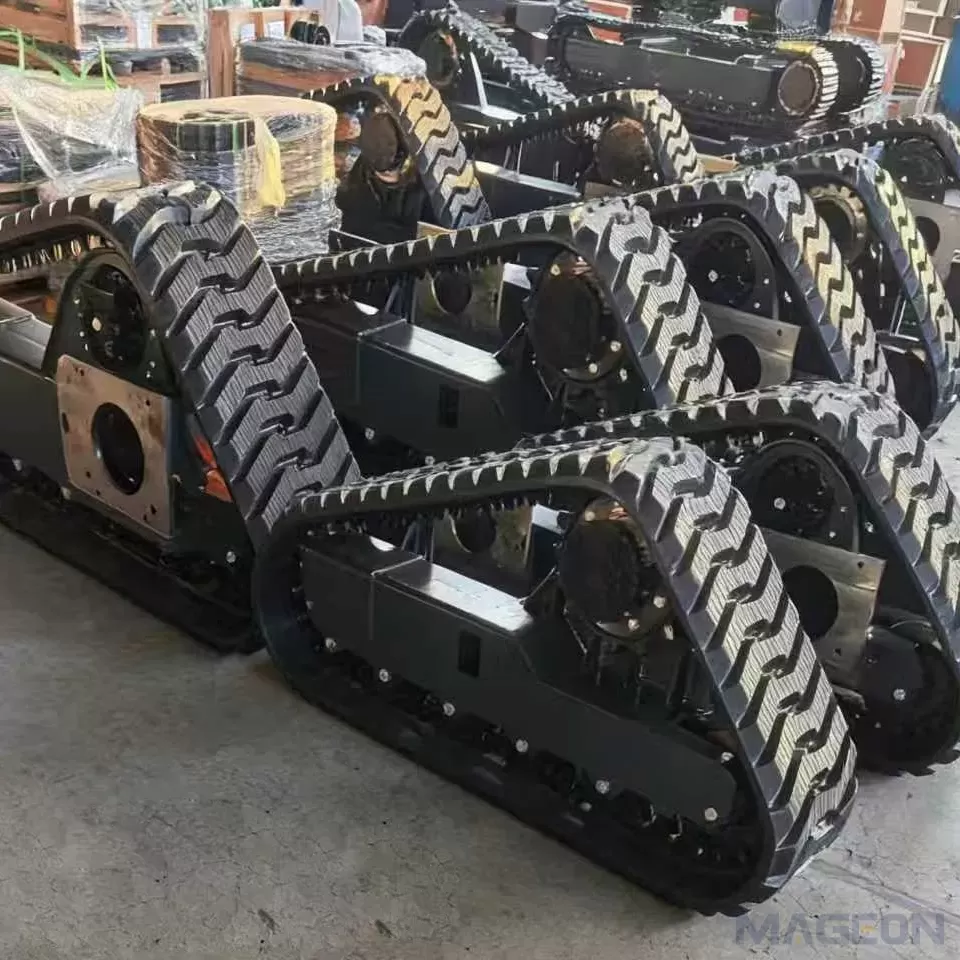
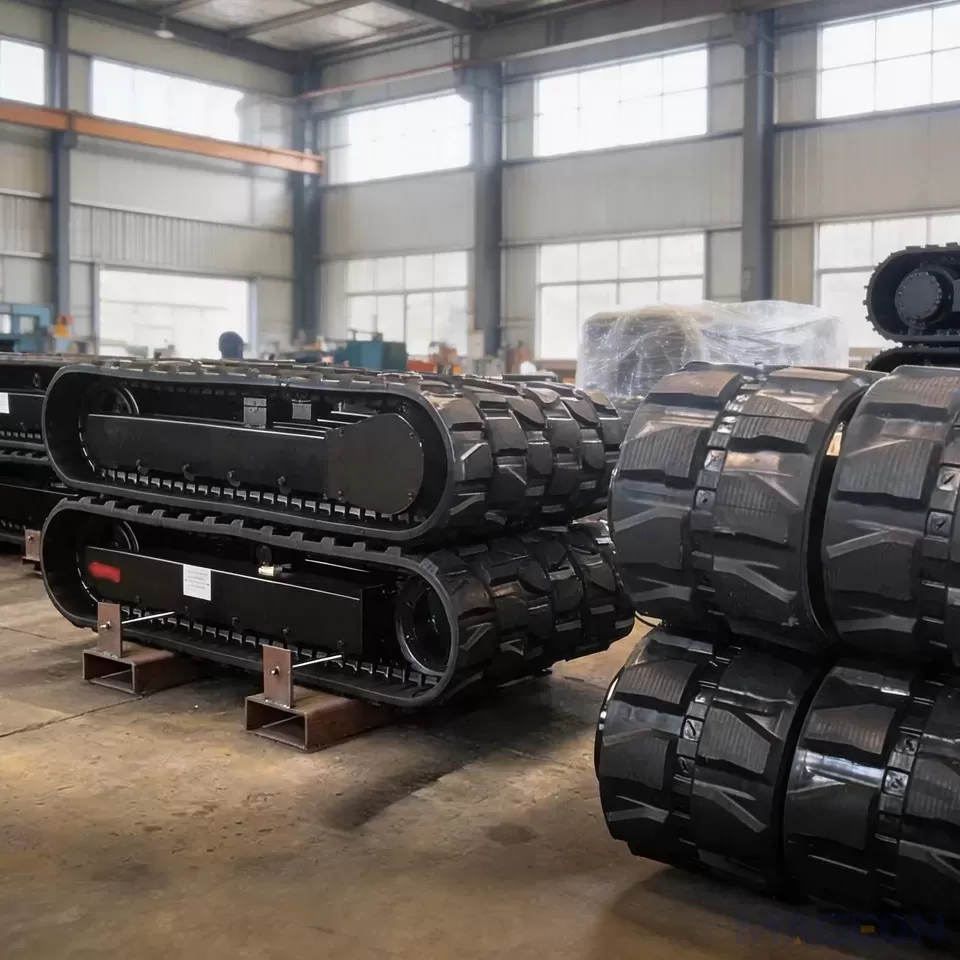
Rubber track undercarriage takes high-purity natural rubber as the main material, embedded with steel wire framework for reinforcement. It is road-friendly, low-noise, low ground pressure, and will not damage urban asphalt roads and farmland soil. The disadvantage is poor resistance to sharp rock impact, not suitable for long-term heavy-load mining operations.
2. Service Life & Maintenance Cost Comparison
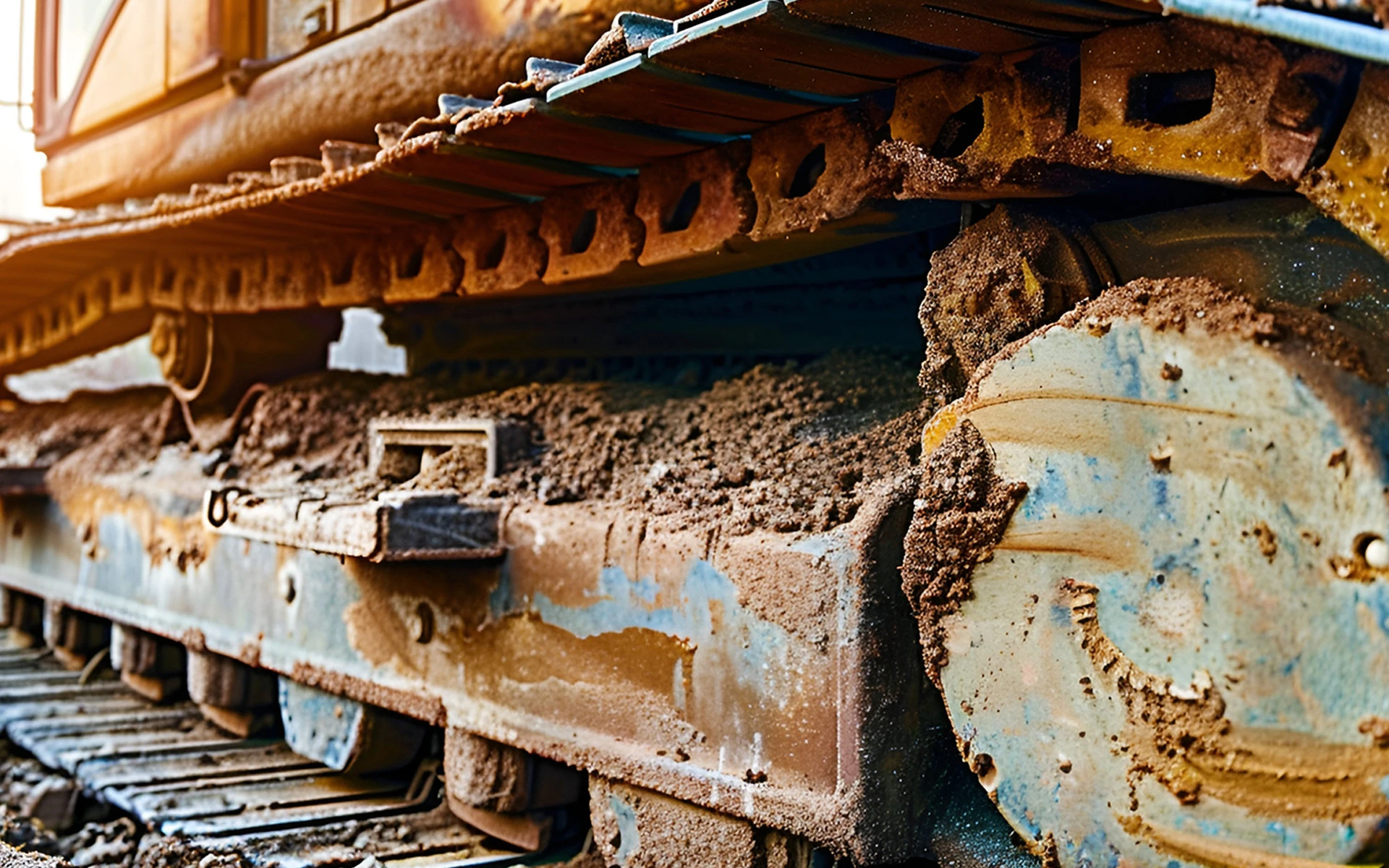
In European standard working conditions, steel track undercarriage has a longer service life, reaching 5000-8000 working hours, suitable for long-term continuous heavy work. But its maintenance cost is higher, regular lubrication and anti-rust treatment are required, and rust deformation easily occurs in humid European coastal areas.
High-quality rubber track undercarriage (MAGEON optimized formula) has a service life of 2000-3000 working hours, fully meeting the needs of European urban and agricultural light and medium-load operations. It has simple maintenance, no anti-rust treatment required, and only needs regular cleaning of sediment, which saves 25% of annual maintenance cost for European fleet owners.
3. European Applicable Scenario Classification
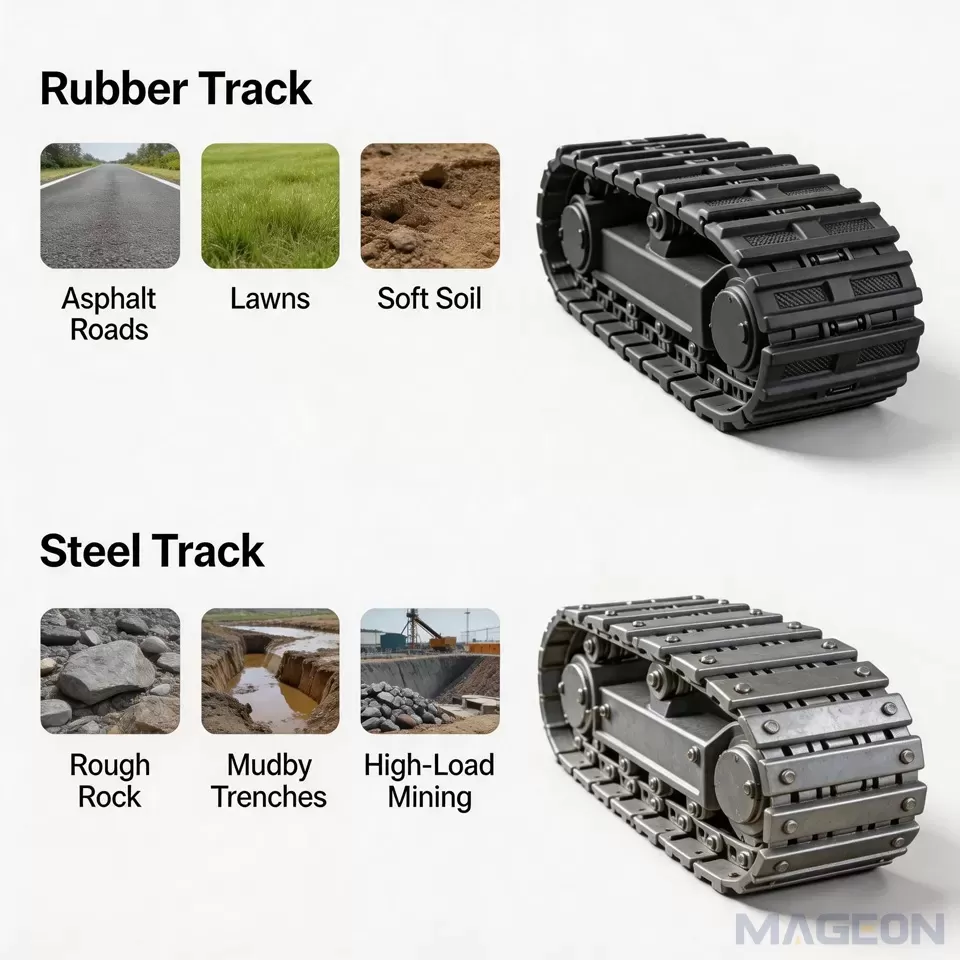
Steel Track Best Scenarios:European mining quarries, large foundation construction, heavy-duty drilling projects, mountainous rugged terrain operations, suitable for Germany, Austria and other central European heavy engineering markets.
Rubber Track Best Scenarios:European urban old town renovation, residential area construction, farmland planting and harvesting, indoor engineering, municipal greening projects, widely used in France, Netherlands, Belgium, UK and other western European low-altitude plain regions.
4. Purchase & Usage Suggestions for European Buyers
For European fleets mainly engaged in urban renovation and agricultural projects, rubber track undercarriage is the most cost-effective choice, complying with EU road protection and noise regulations. For teams focusing on infrastructure and mining heavy engineering, steel track undercarriage is more reliable and durable.
Please leave your customization requirements, and we will contact you as soon as possible!
Leave your requirements, we'll get back to you within 24 hours.