Anti-Fatigue Technology: How MAGEON Chassis Resists Long-Term Vibration Damage
Long-Term Vibration Fatigue Failure Problem
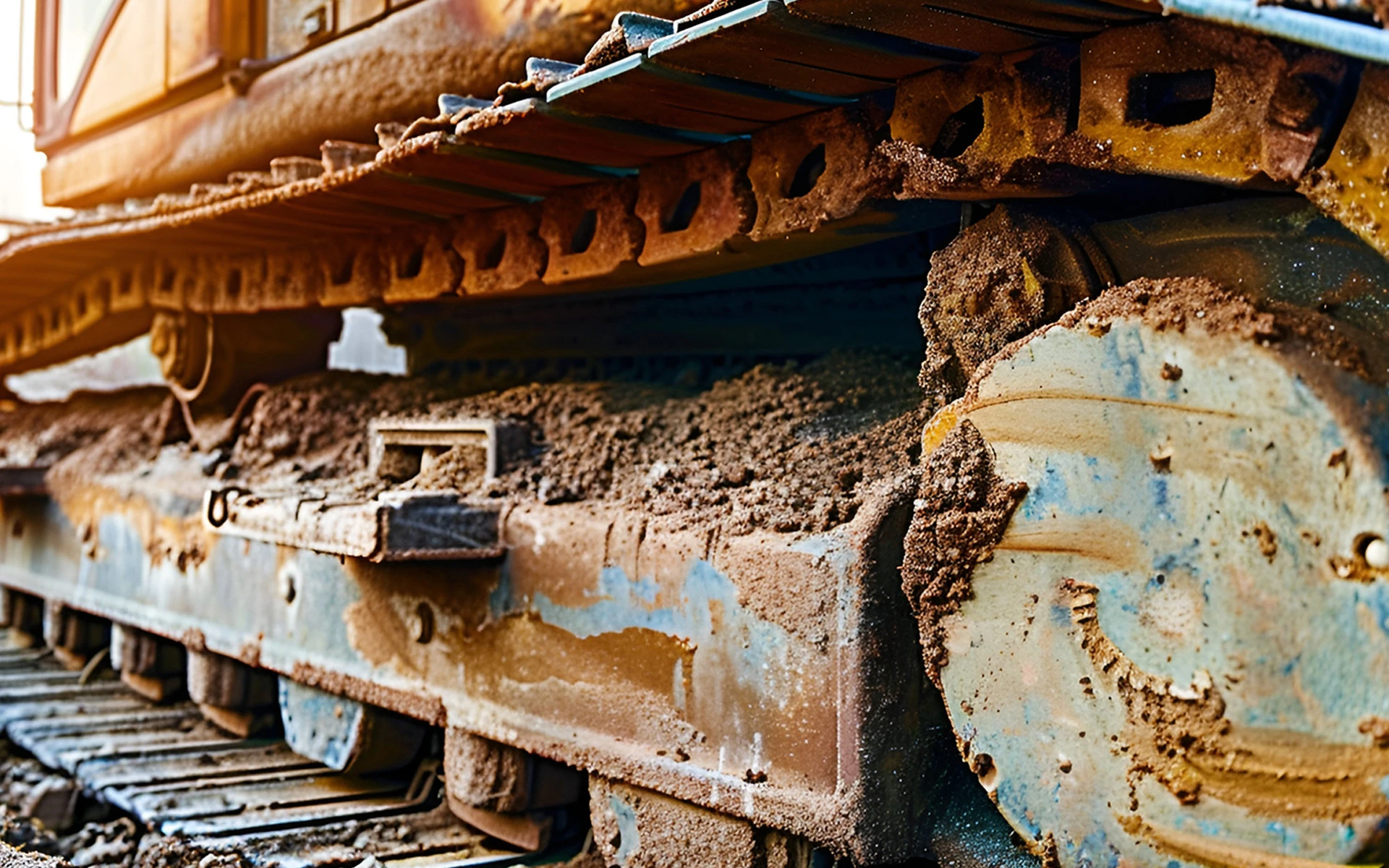
Foundation drilling, piling and mining operations will generate continuous high-frequency vibration and alternating impact load. Ordinary chassis structures are prone to metal fatigue after long-term operation, resulting in frame cracking, loose welding seams, shaft part fatigue fracture and track system derailment, which greatly shortens the service life of equipment and brings potential safety hazards.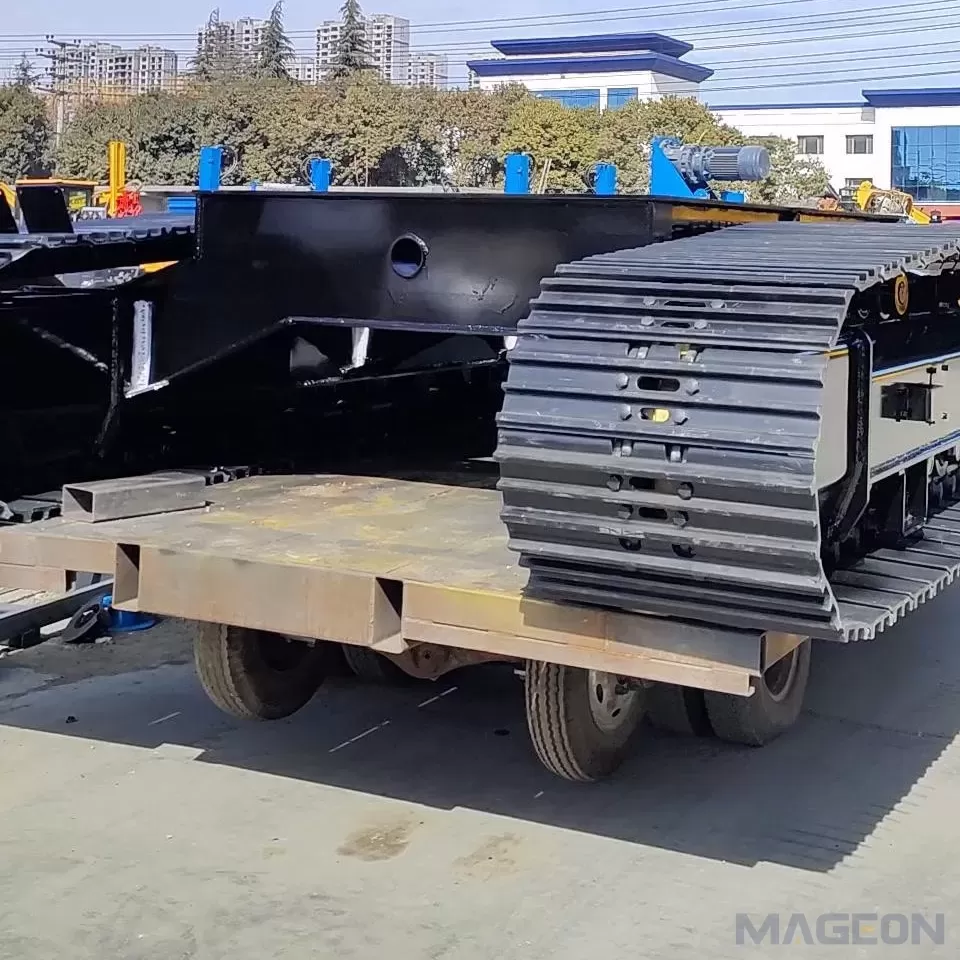
MAGEON Anti-Fatigue & Vibration Resistance Core Technology
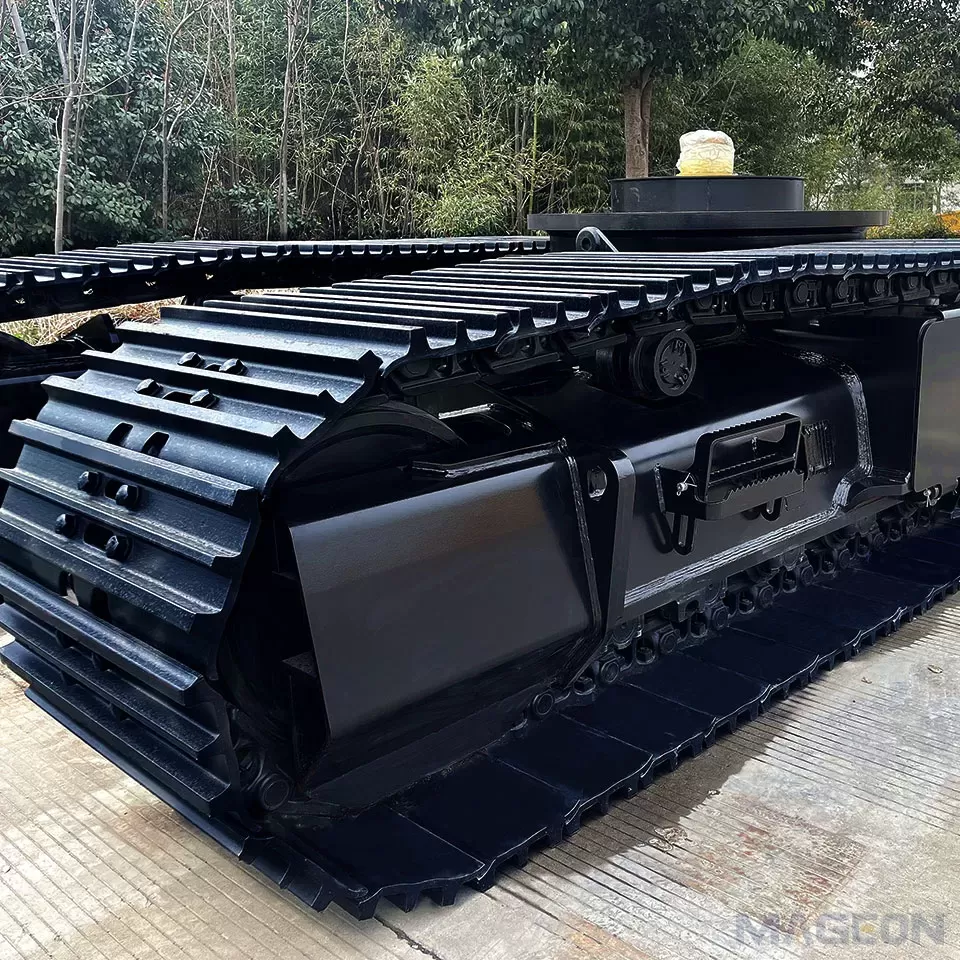
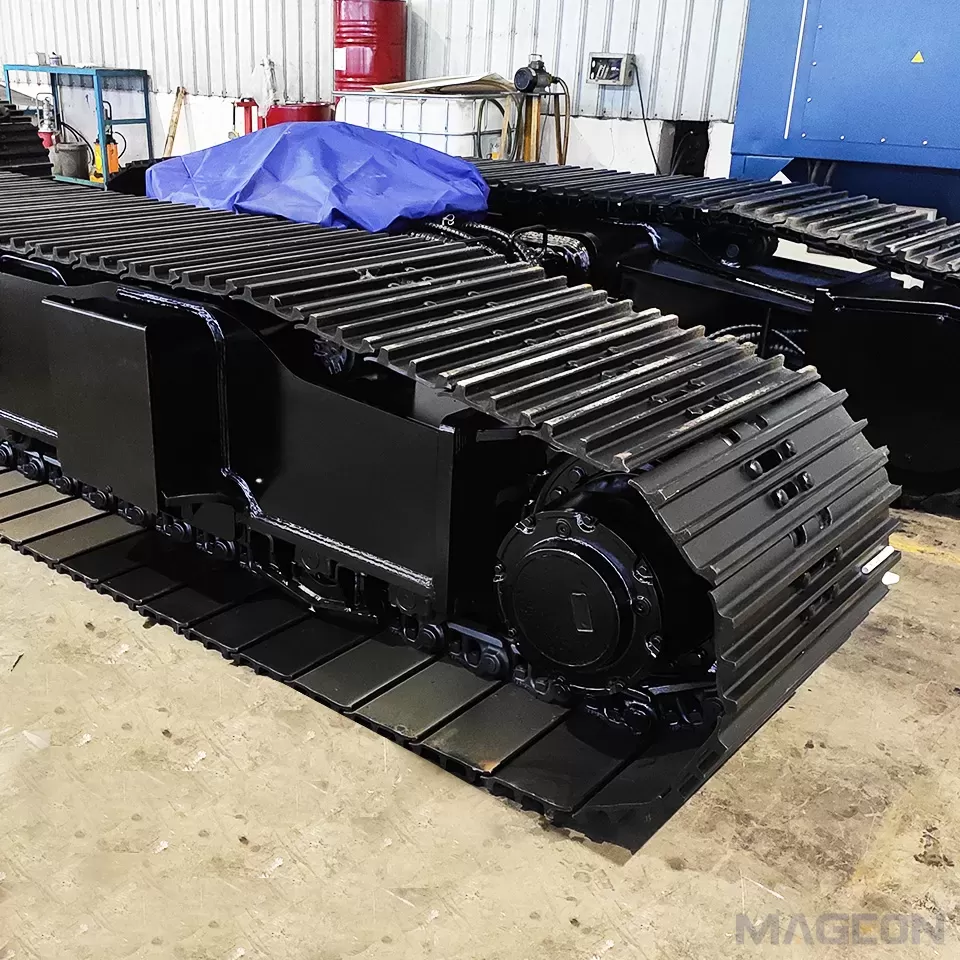
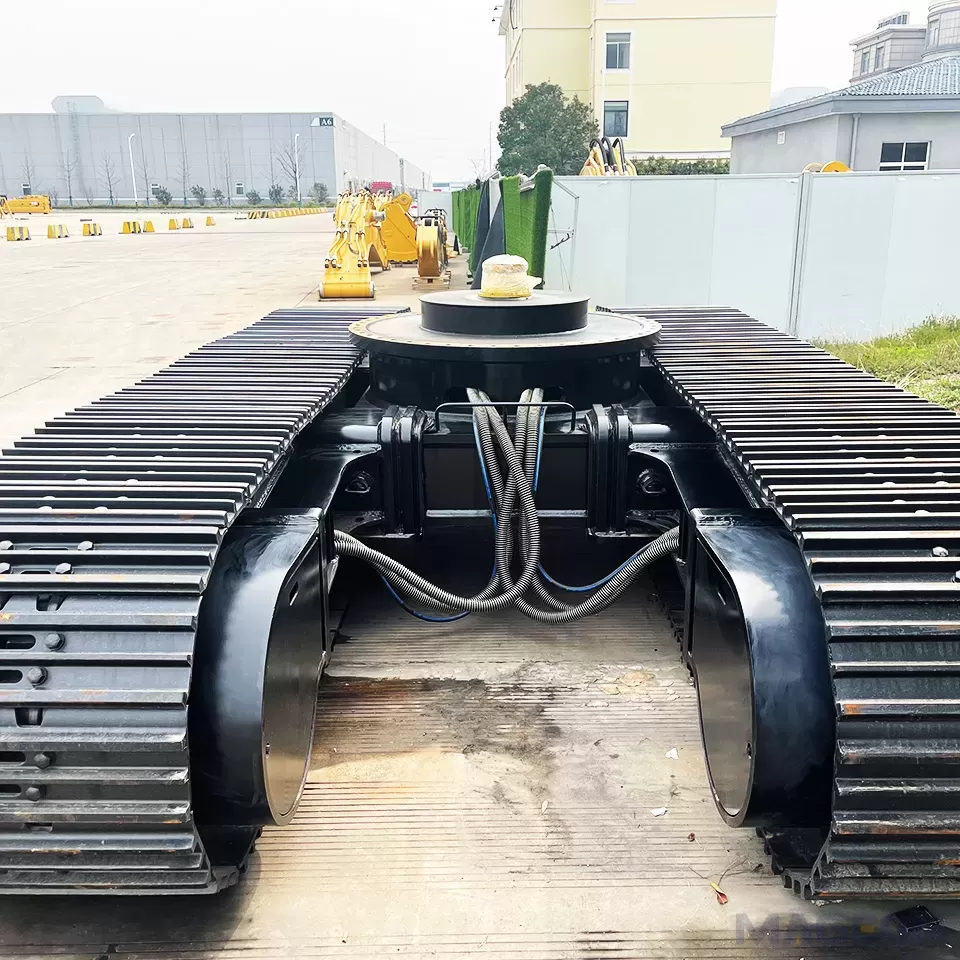
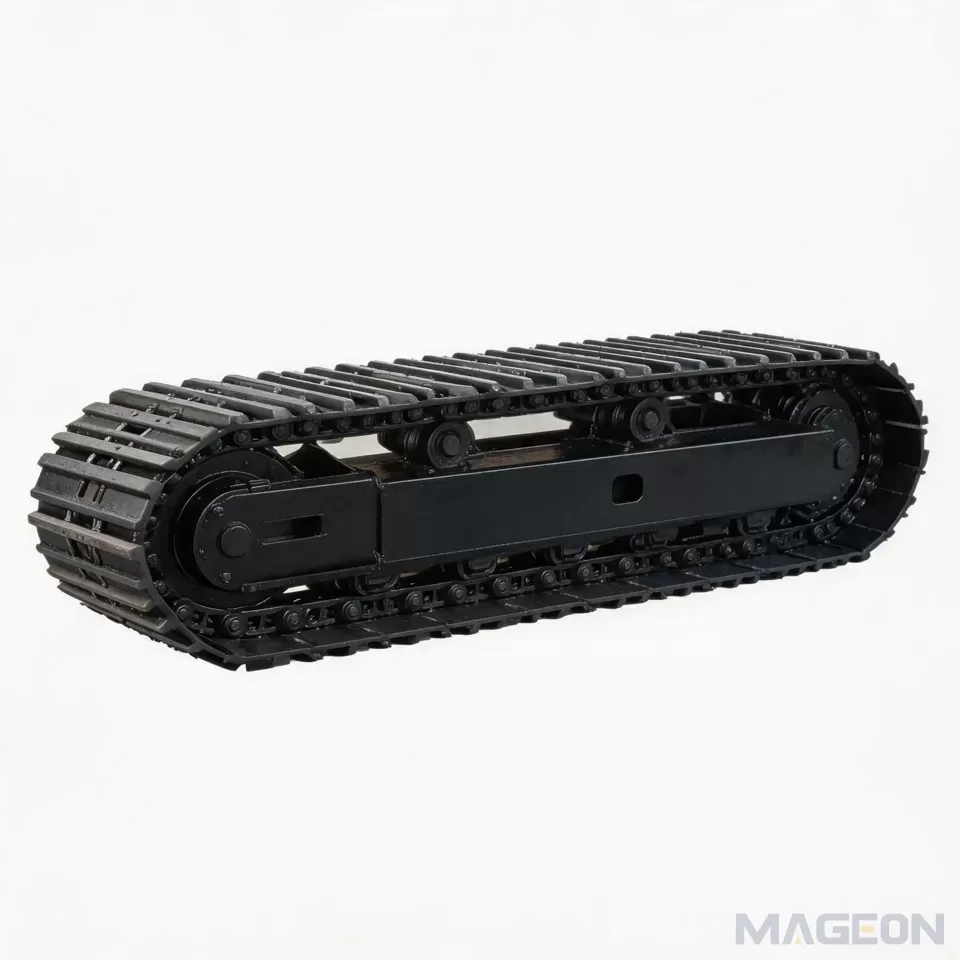
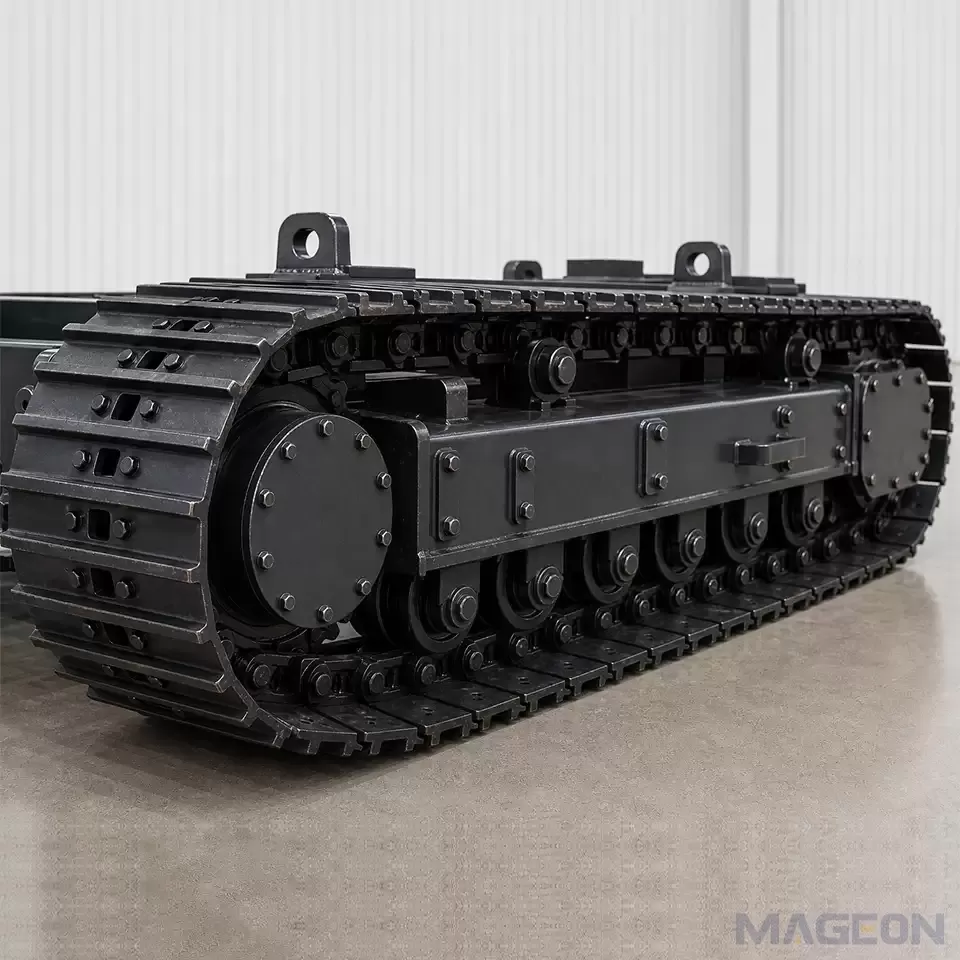
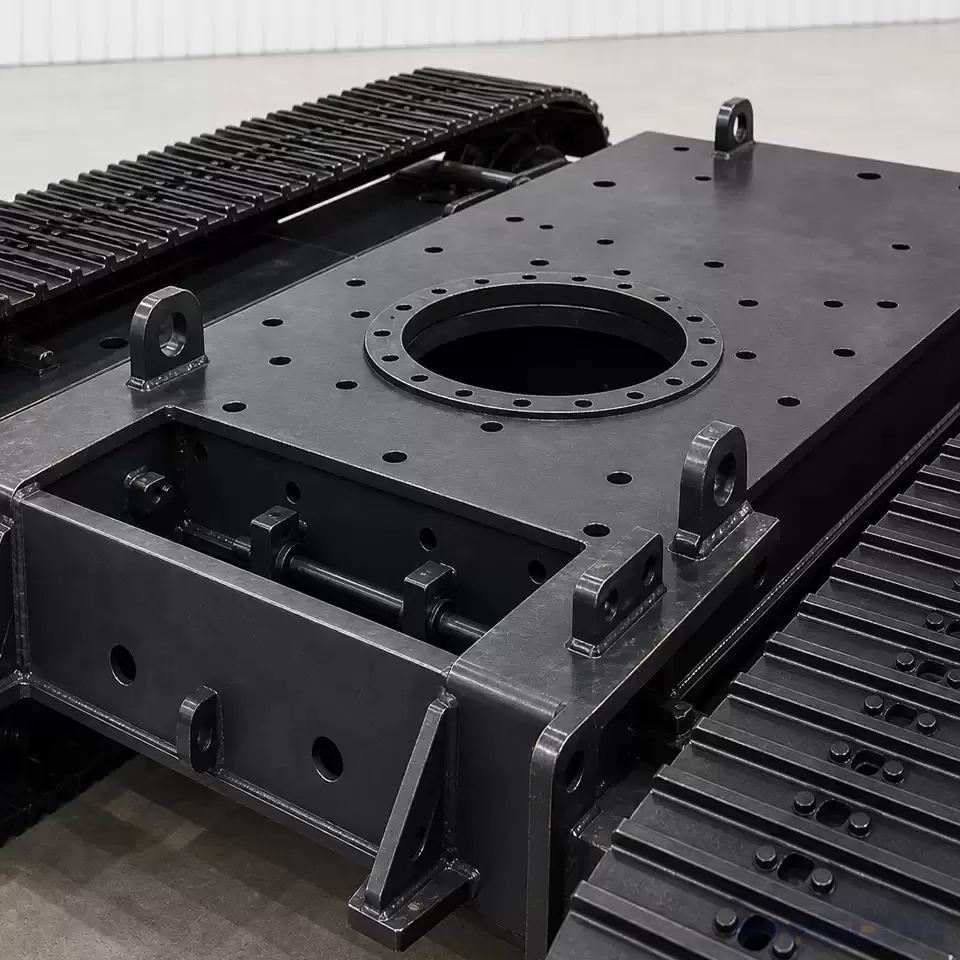
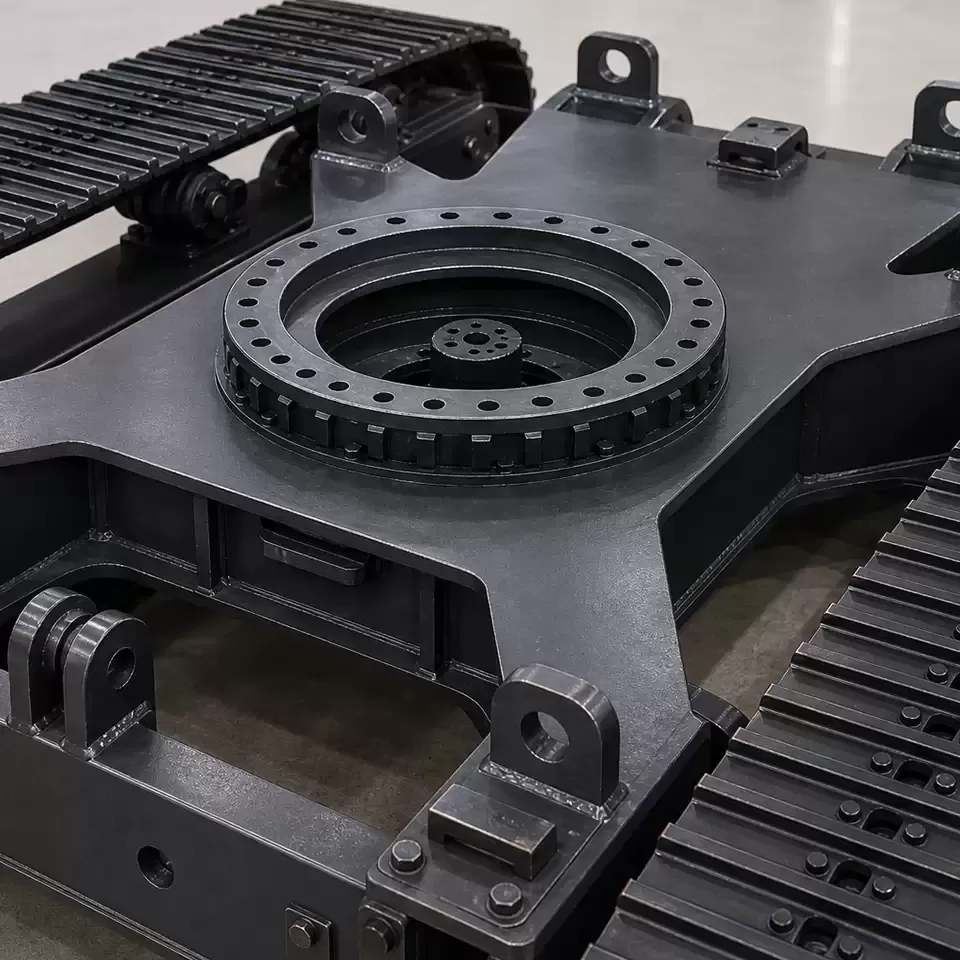
MAGEON adopts three major anti-fatigue technical systems: structural vibration reduction, material toughening and process stress elimination. First, the chassis frame is designed with vibration reduction and force dispersion structure, which can decompose concentrated vibration impact and avoid local stress concentration.
Second, all key load-bearing parts adopt high-toughness alloy steel materials, which have strong anti-fatigue performance and can resist long-term alternating load impact. Third, through overall stress relief annealing process after welding, the internal welding residual stress of the frame is completely eliminated, avoiding structural deformation and cracking caused by vibration fatigue.
Field Technical Verification
After long-term field test verification, MAGEON anti-fatigue chassis can operate continuously for more than 20,000 hours in high-frequency vibration working conditions such as rotary drilling and piling, with no fatigue failure of structural parts. The overall anti-vibration fatigue performance is far higher than the industry standard, ensuring long-term stable operation of equipment.
Applicable products:
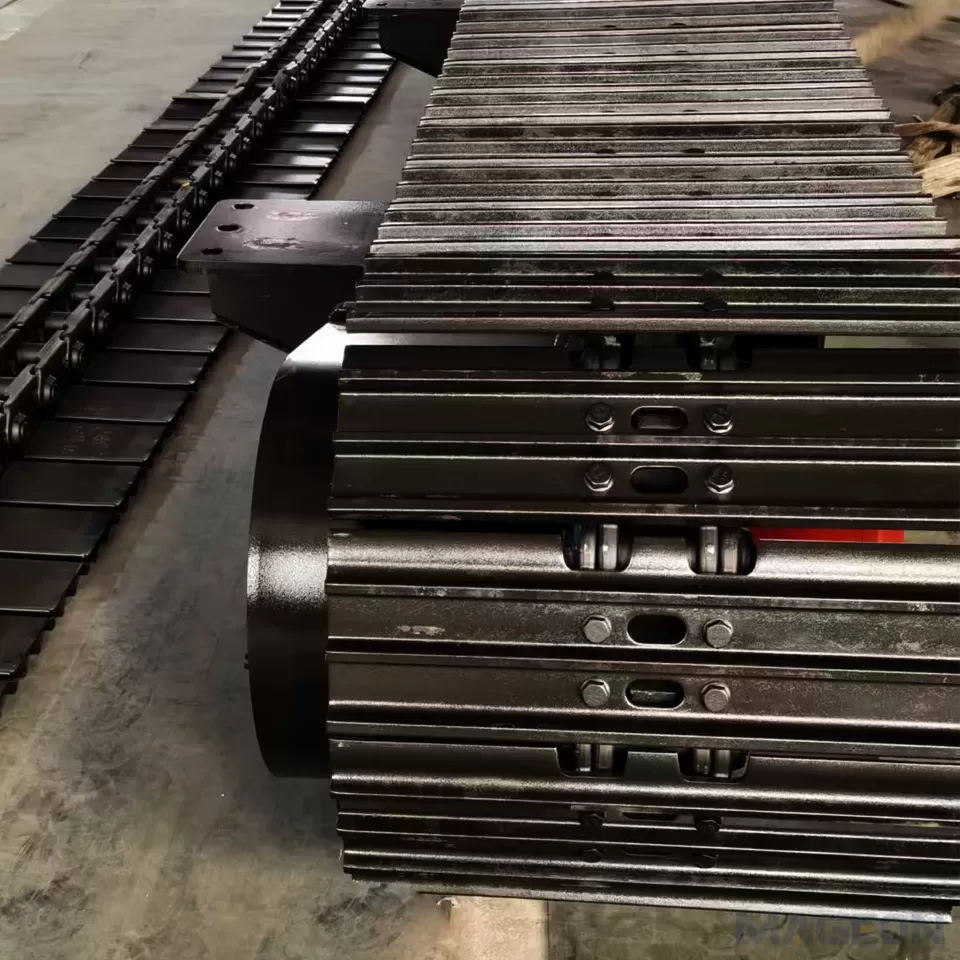
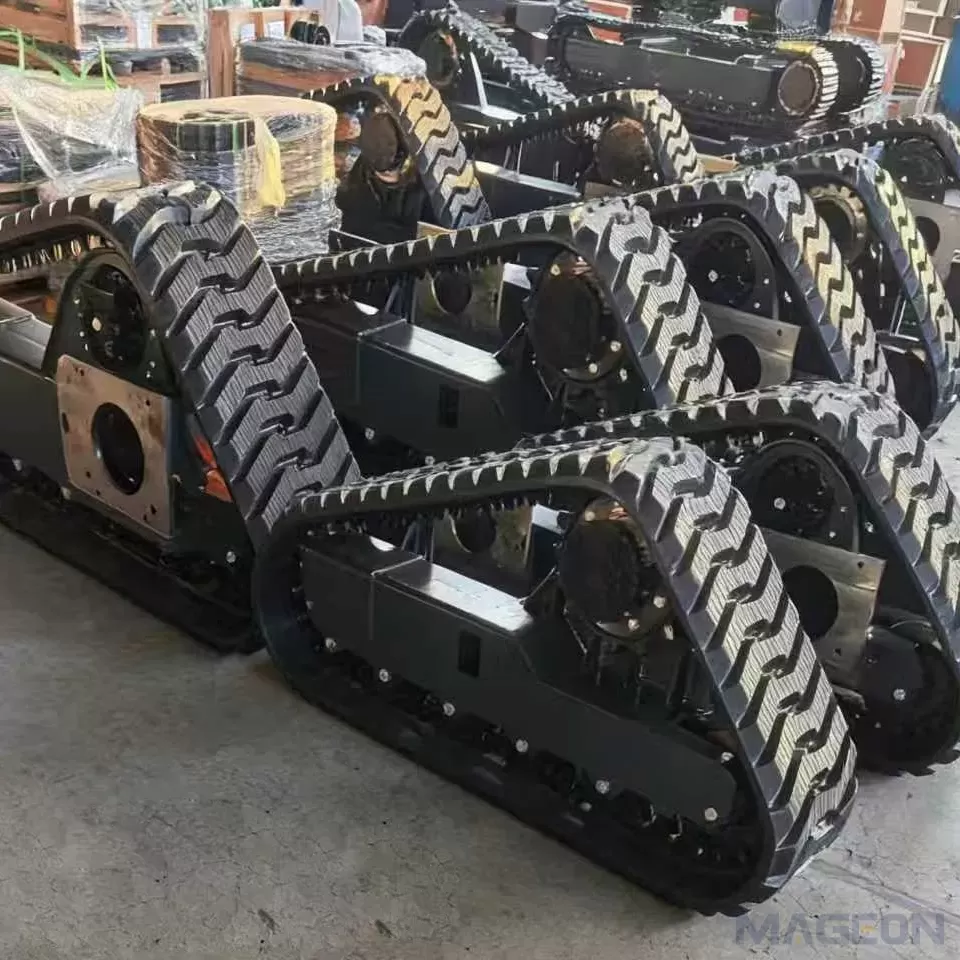
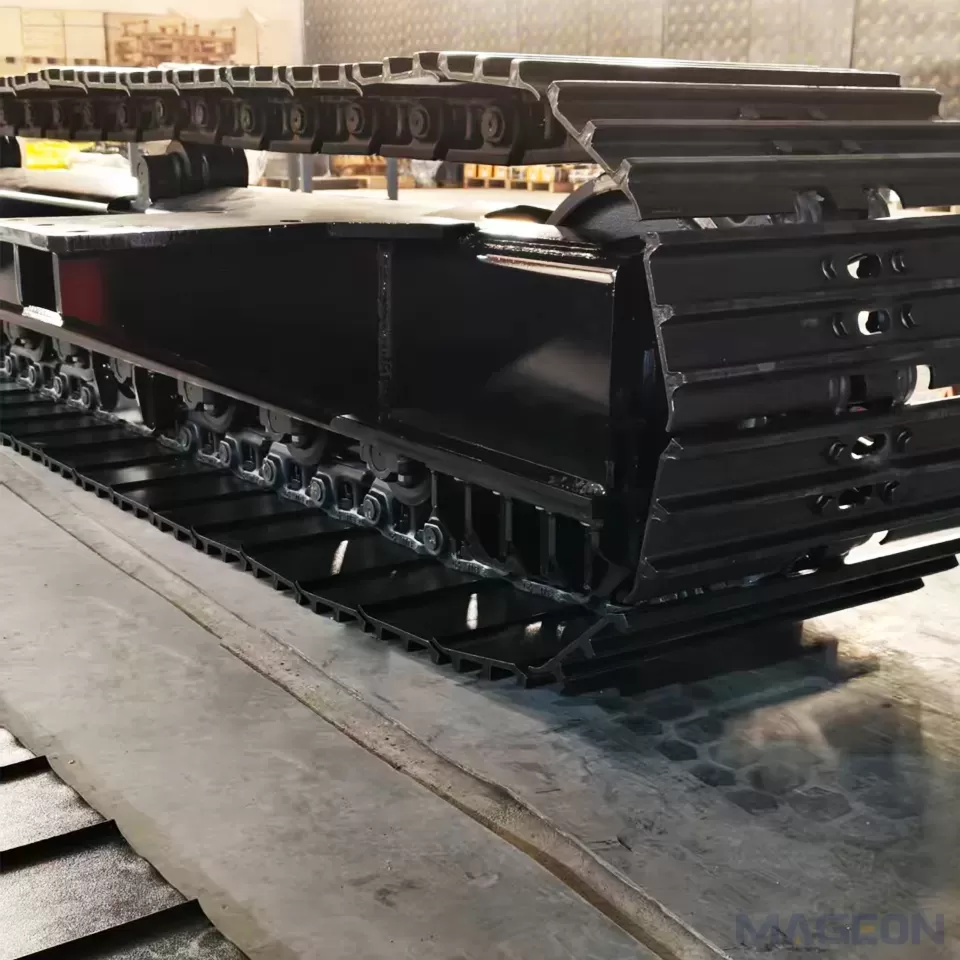
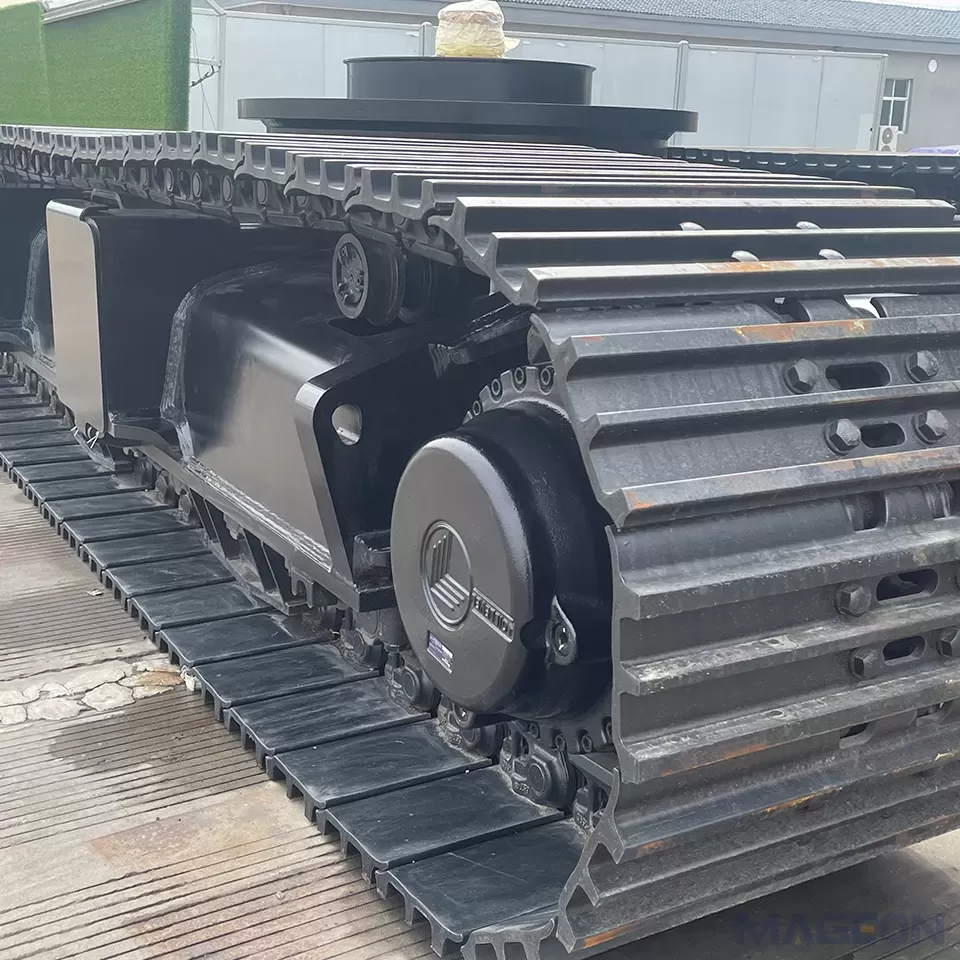
Drilling & piling modified excavator chassis (8-50 tons)
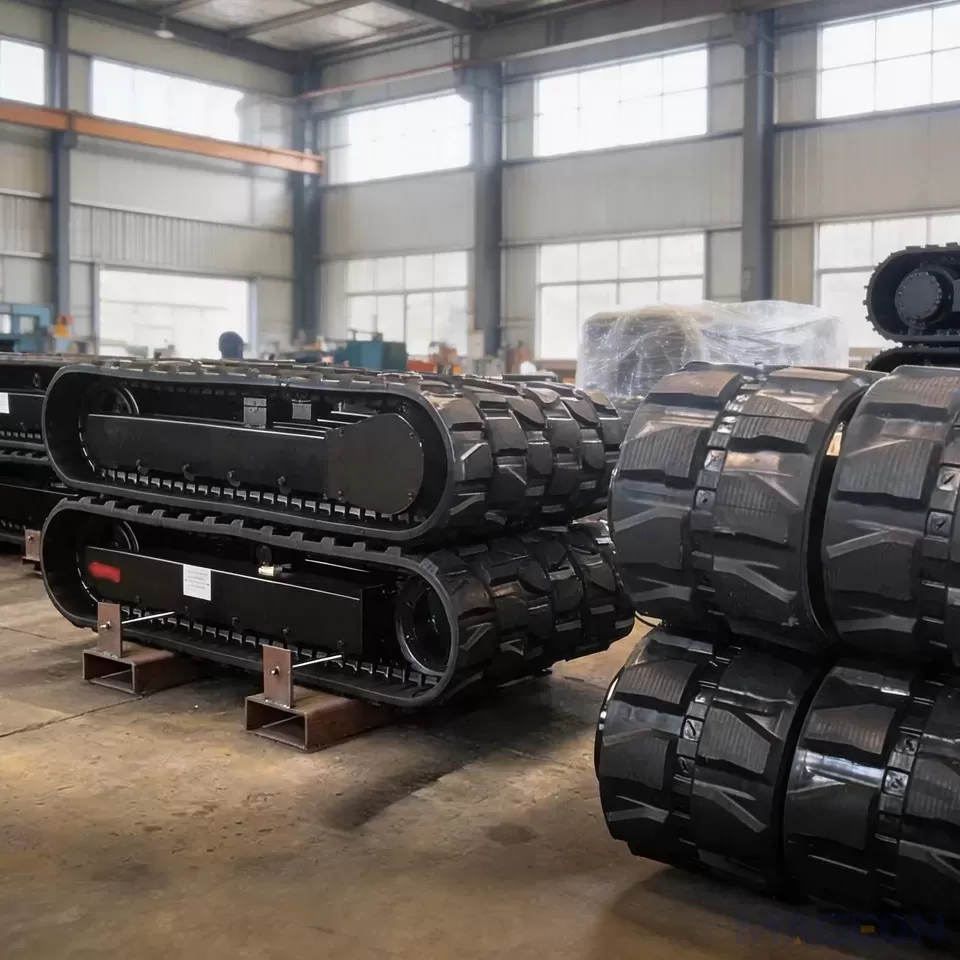
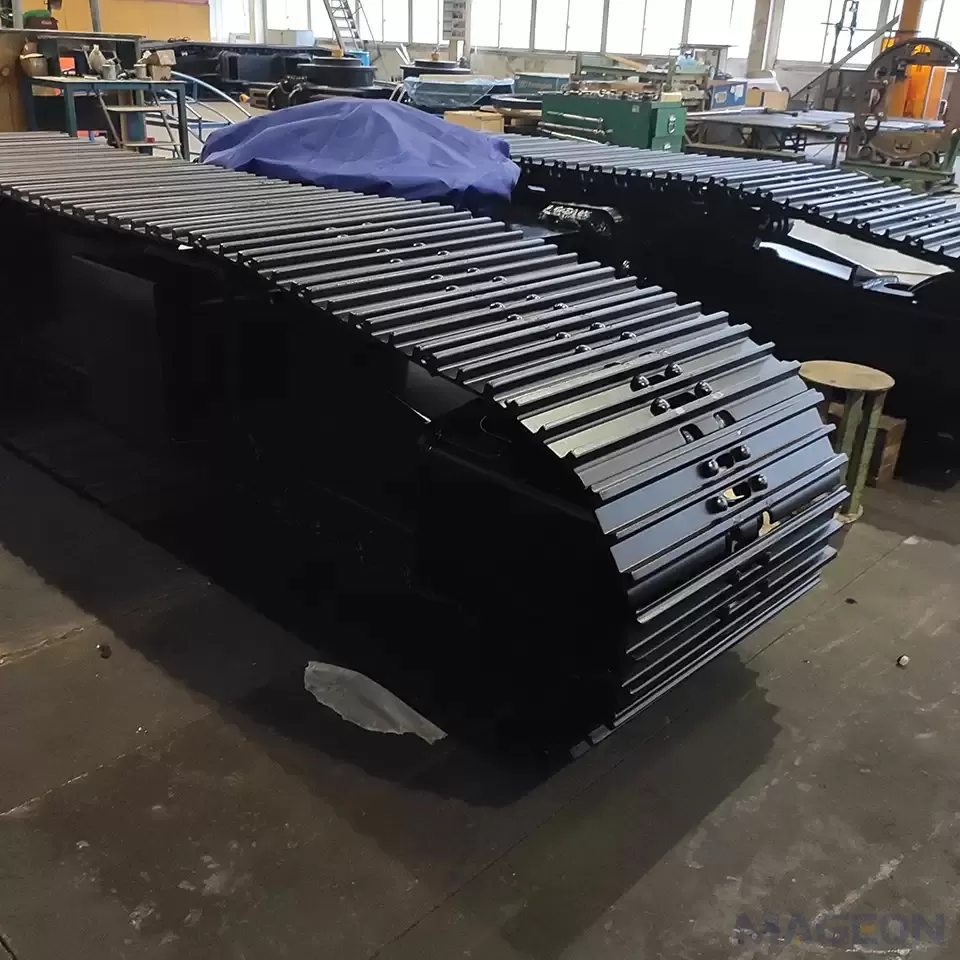
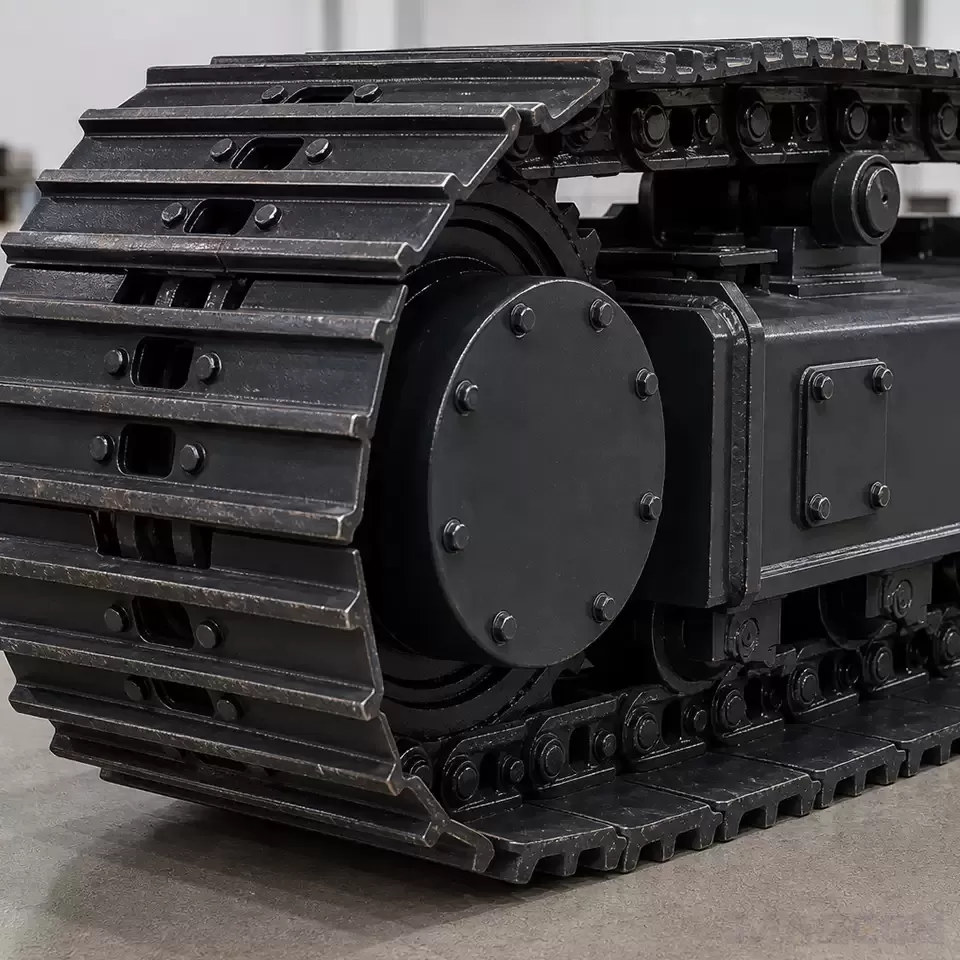
Four wheels and one belt (impact-resistant supporting wheels/driving wheels/guide wheels/heavy-duty track shoes/mining-grade chain rail joints)
Please leave your customization requirements, and we will contact you as soon as possible!
Leave your requirements, we'll get back to you within 24 hours.