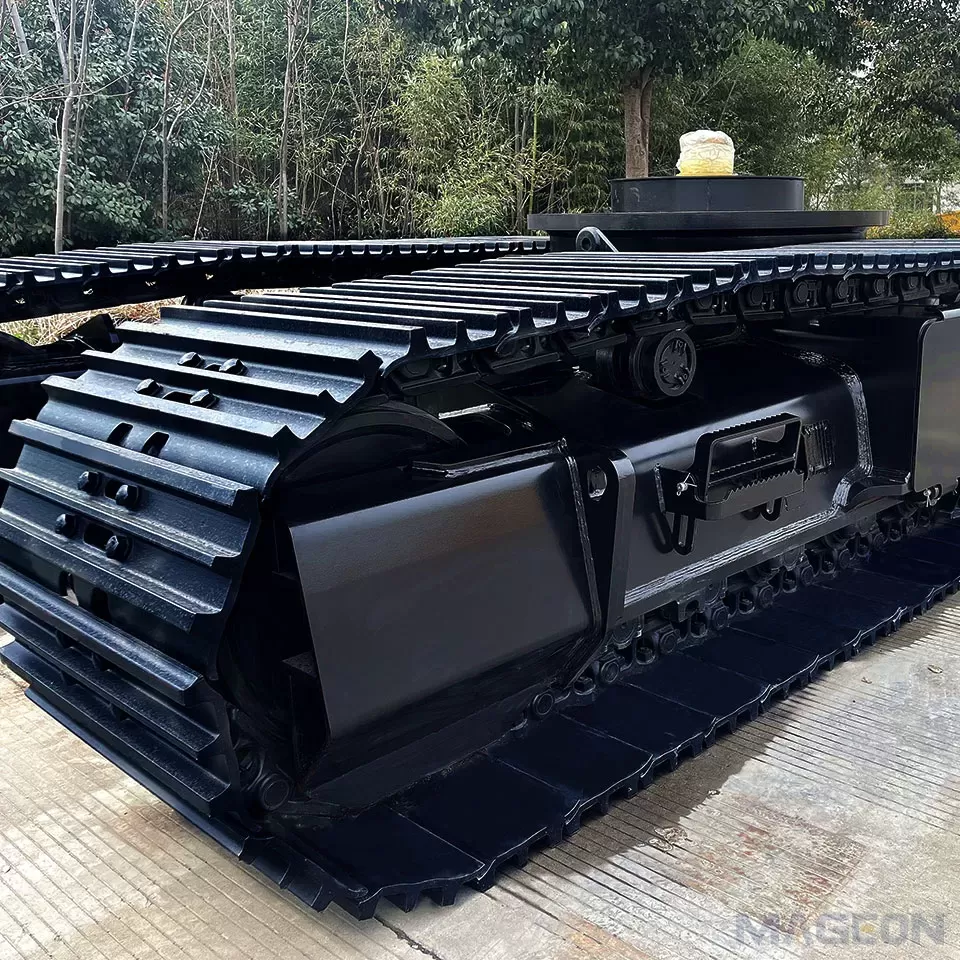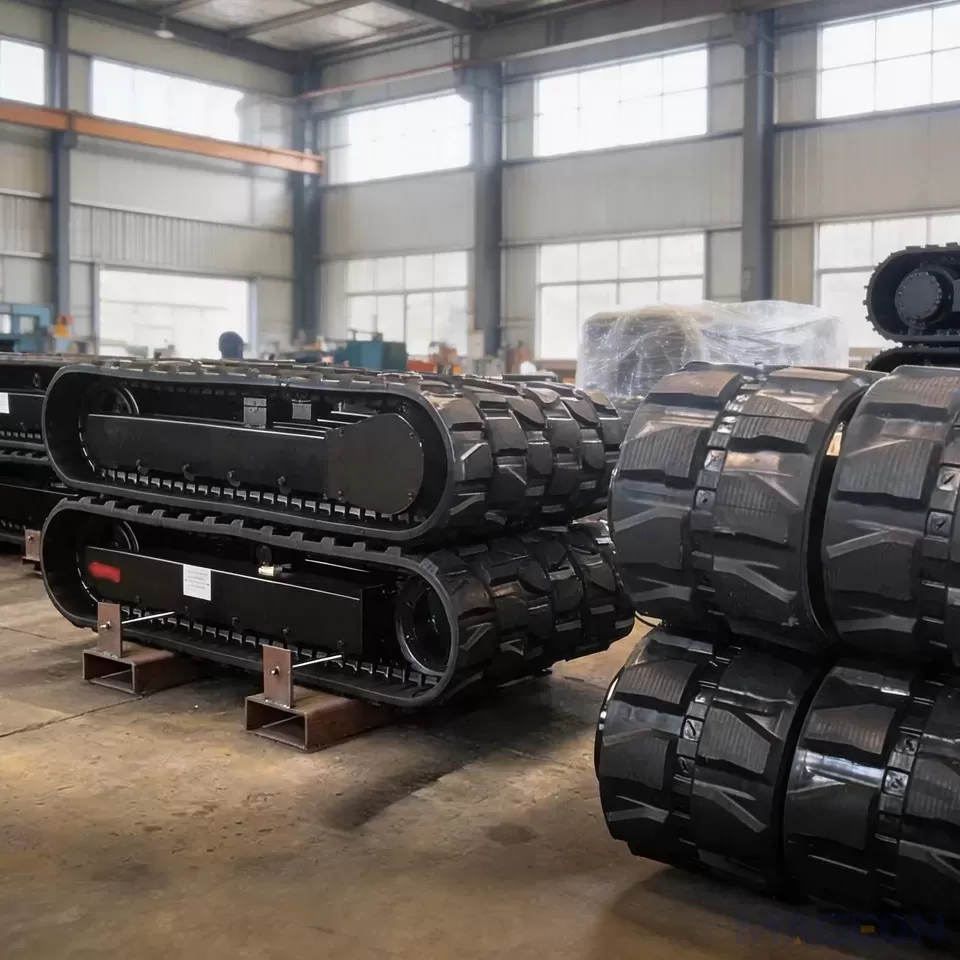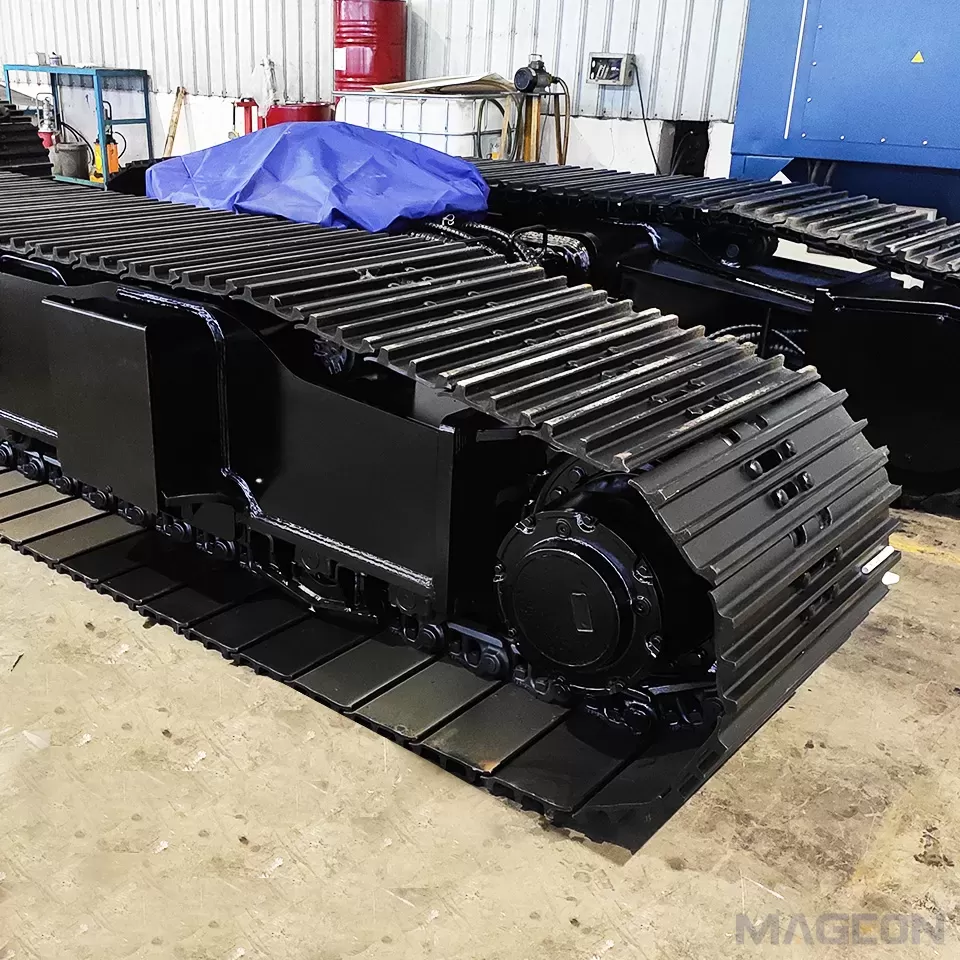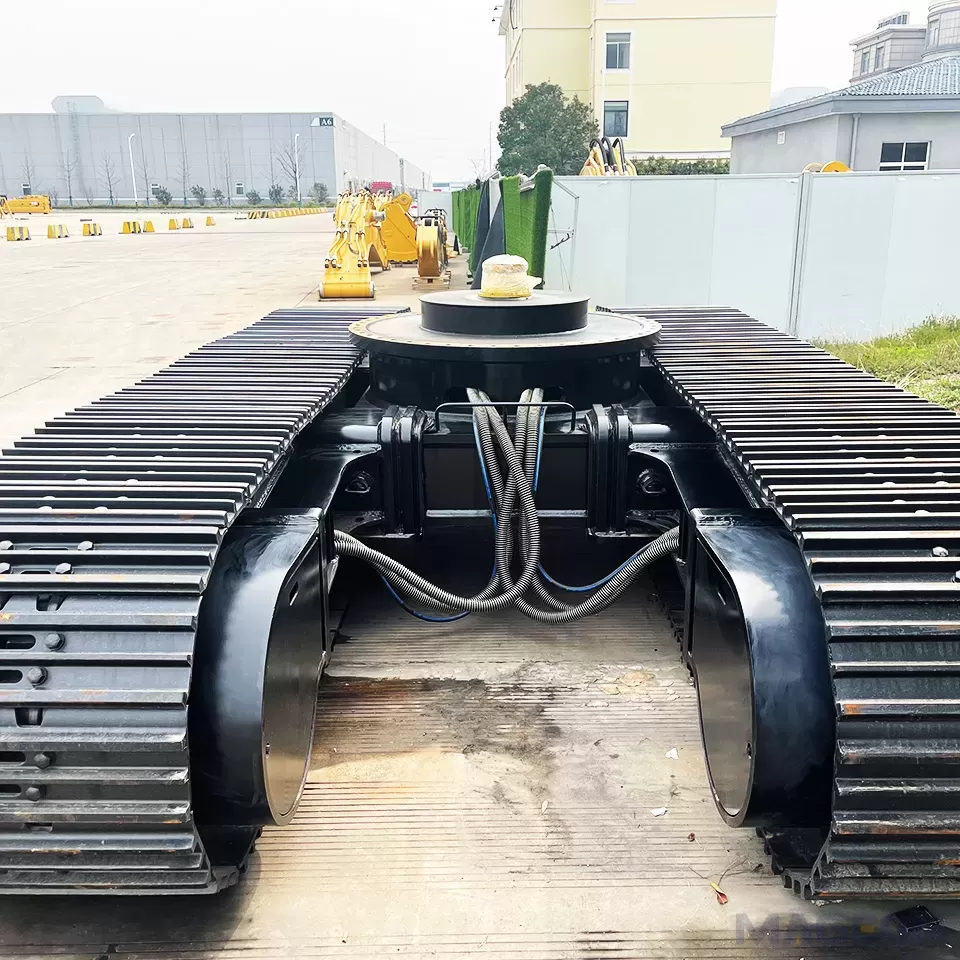
How Do Track Tension and Sag Affect Crawler Undercarriage Operation?
Crawler track tension affects how the track chain, sprocket, idler, and rollers work as a system. If the track is too tight, component loading and wear risk can increase; if it is too loose, engagement can become less reliable and the risk of instability, link jumping, or track loss can increase. The correct condition is therefore the range specified for the particular machine and inspection procedure—not a universal sag value.
For an OEM, this is more than a maintenance setting. Track tension influences undercarriage integration, adjustment access, inspection instructions, and the information that must pass from design engineering to operators and service teams.
What Do Track Tension and Sag Tell You?
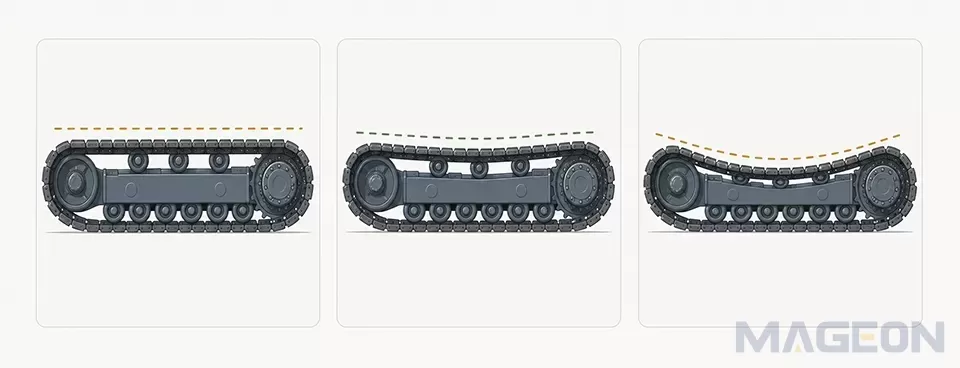
Track tension describes the working condition of the assembled track loop. Track sag is the visible drop measured at a defined location and under defined conditions; it is commonly used as a practical indicator when checking whether the track is within the machine-specific requirement.
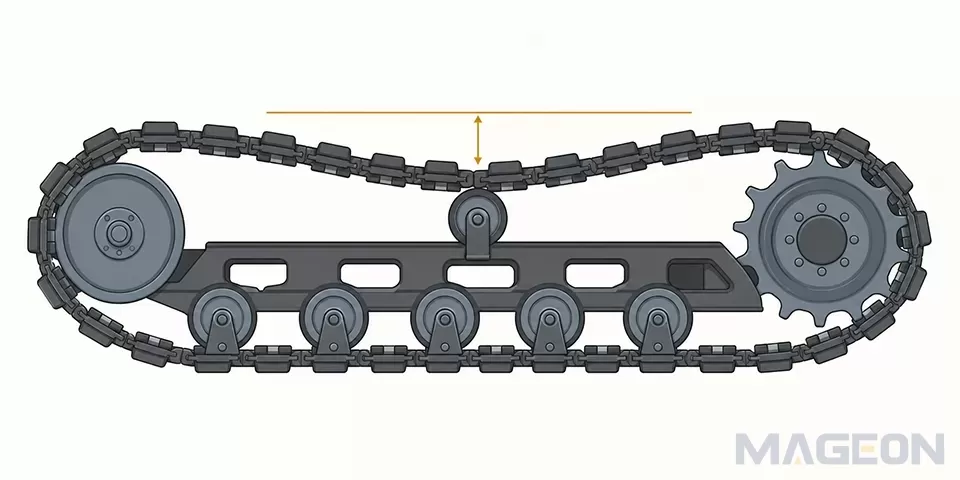
Sag is not a stand-alone design specification. Its meaning changes with the track layout, the presence and position of carrier rollers, the measurement span, machine position, cleanliness, and the procedure defined by the equipment manufacturer. Caterpillar's current steel-track guidance states that track values vary by machine and directs users to the applicable Operation and Maintenance Manual (OMM) for the specific value and procedure.
This distinction matters in OEM documentation. A drawing may define the undercarriage geometry and adjustment interface, while the operating manual defines how the assembled machine should be positioned, inspected, measured, and adjusted. Both must refer to the same approved configuration.
What Happens When a Track Is Too Tight?
An overly tight track removes the intended allowance in the track loop and keeps the moving system under greater load as it circulates around the sprocket, idler, and rollers. The result should not be expressed as one universal wear rate, because the actual effect depends on the machine, components, duty cycle, and underfoot conditions.
The qualitative risk is well established in official equipment guidance. Caterpillar's 2026 steel-track maintenance guidance warns that an overly tight track can accelerate wear and contribute to track-joint failure. Komatsu also states that excessive tension accelerates bushing wear.
For an OEM, the useful question is not “How tight can the track be?” It is whether the selected undercarriage, tensioning arrangement, adjustment access, and service documentation can maintain the approved machine-specific condition throughout normal inspection and maintenance.
What Happens When a Track Is Too Loose?
A loose track has more uncontrolled movement in the loop. Depending on the machine and operating condition, this can affect how consistently the chain engages the sprocket and follows the intended path around the undercarriage.
Official guidance identifies several possible consequences without making them inevitable for every machine. Caterpillar notes that a loose track can index incorrectly and allow a link to jump sections. Komatsu's undercarriage guidance says excessive looseness can create instability or even allow the track to derail.
These signs require inspection rather than an automatic assumption that tension is the only cause. Wear condition, alignment, damaged components, debris, operating technique, and the approved adjustment procedure may also need to be checked by qualified personnel.
How Do Tight and Loose Conditions Compare?
The comparison below is a decision aid, not an adjustment specification. “Machine-specified condition” means the result obtained with the correct procedure and approved value for the exact machine and undercarriage configuration.
| Possible System Effect | What to Observe | Required Confirmation | |
|---|---|---|---|
| Too tight | Increased loading and accelerated wear risk | Reduced sag relative to the specified check; any accompanying heat, noise, or wear requires separate investigation | Verify the measurement procedure and range in the applicable OMM |
| Machine-specified condition | Intended operating allowance for the approved configuration | Measurement is consistent with the defined setup and inspection conditions | Confirm machine configuration, measurement points, and documented range |
| Too loose | Less controlled engagement, link jumping, instability, or track-loss risk | Excessive sag, contact with other components, irregular engagement, or unstable tracking |
Do not use the table to diagnose a fault from one symptom. It identifies what needs confirmation and where an engineering or service review may be required.
Why Does the Correct Sag Depend on the Machine and Working Condition?
First, undercarriage layouts are not identical. The measurement span and reference points can change when carrier rollers are present. Caterpillar's dozer track-tension guide explicitly distinguishes machines with and without carrier rollers and directs users to the OMM for the proper dimensions.
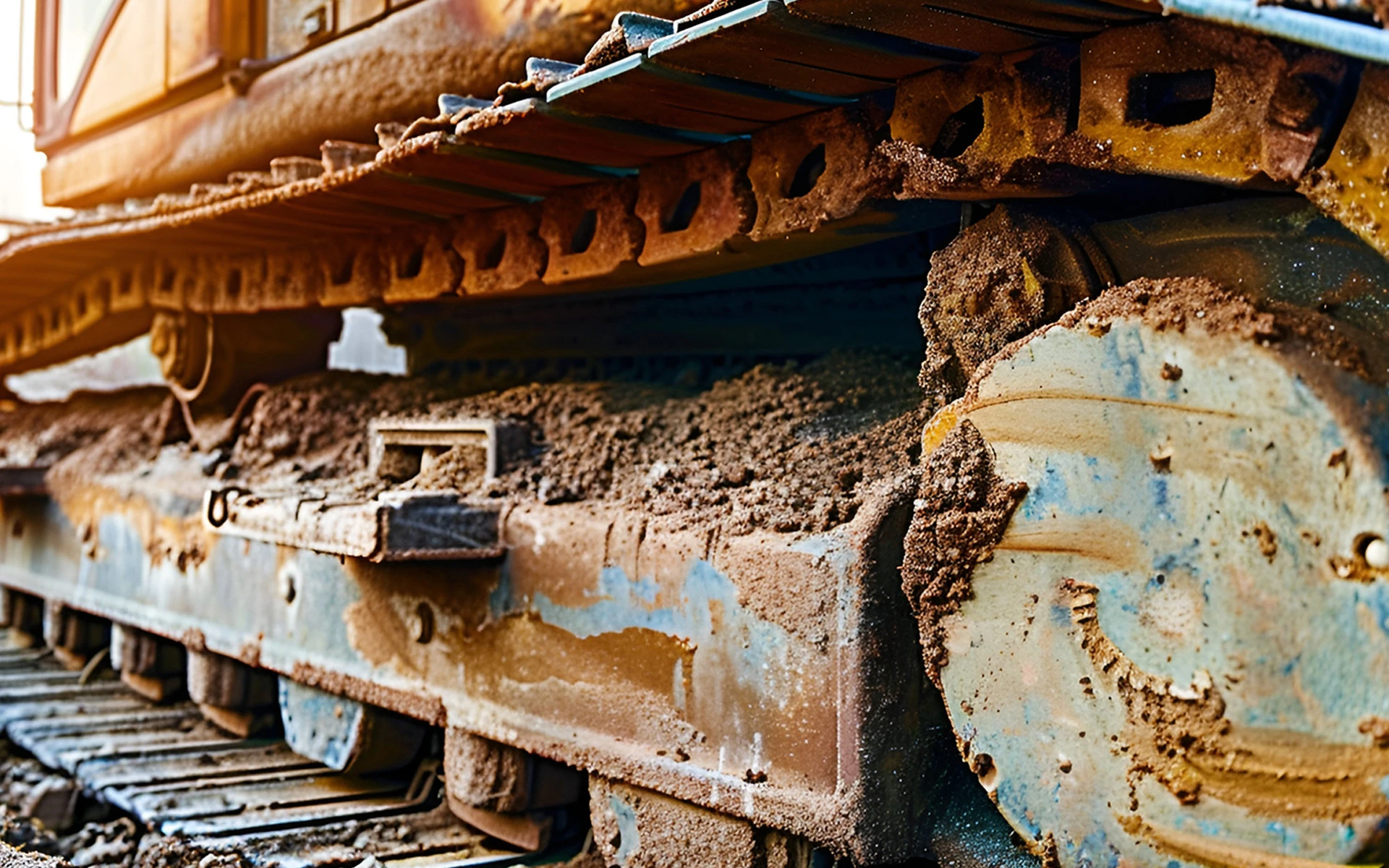
Second, the inspection condition matters. Packed mud or debris can interfere with component movement and obscure the real condition of the track. Official Caterpillar guidance recommends cleaning the undercarriage as part of inspection, while Komatsu advises monitoring tension under actual working conditions. The practical implication is to follow the machine-specific procedure for both cleanliness and operating condition instead of inventing a universal rule.
Third, the specified value belongs to an approved configuration. A change in track type, undercarriage geometry, carrier-roller arrangement, machine mass distribution, or working environment may require a new engineering check. A value copied from another machine can appear plausible while being inappropriate for the actual system.
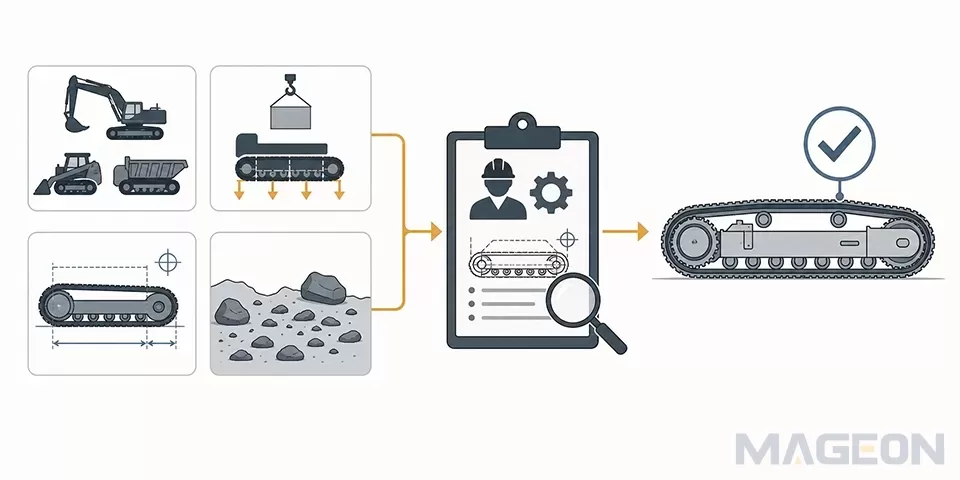
What Should an OEM Confirm During Undercarriage Integration?
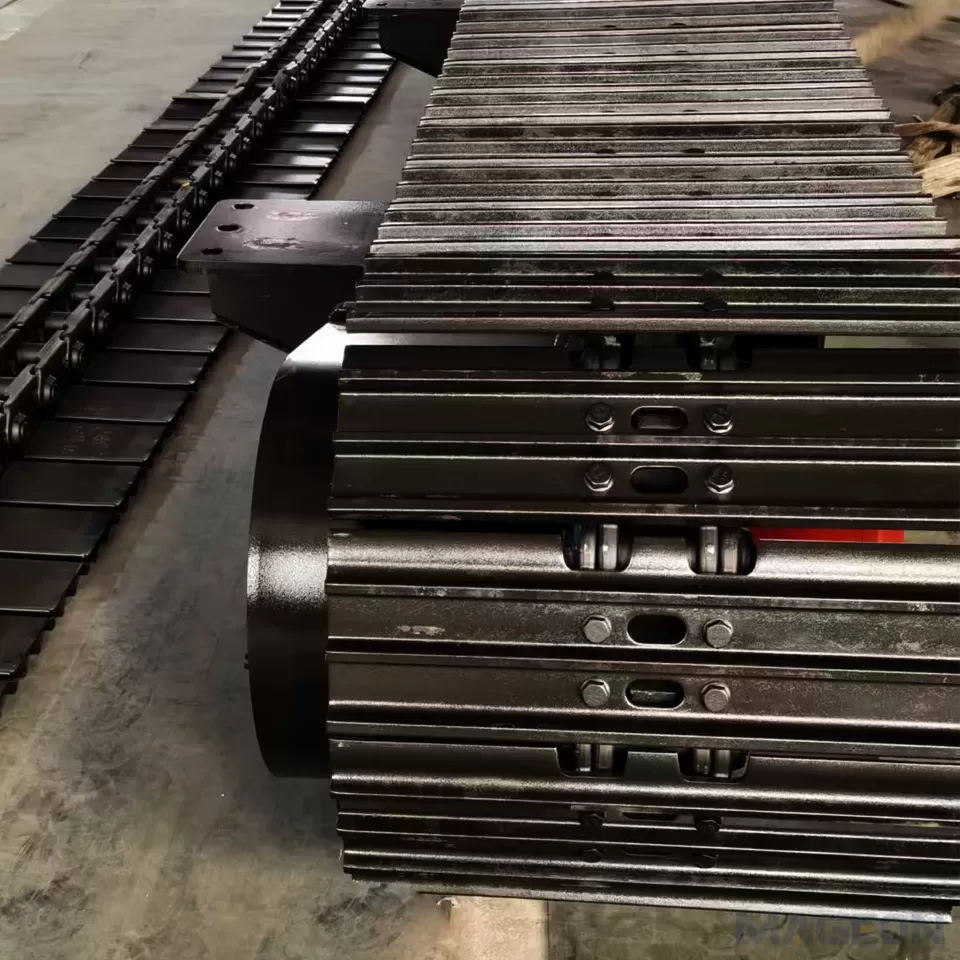
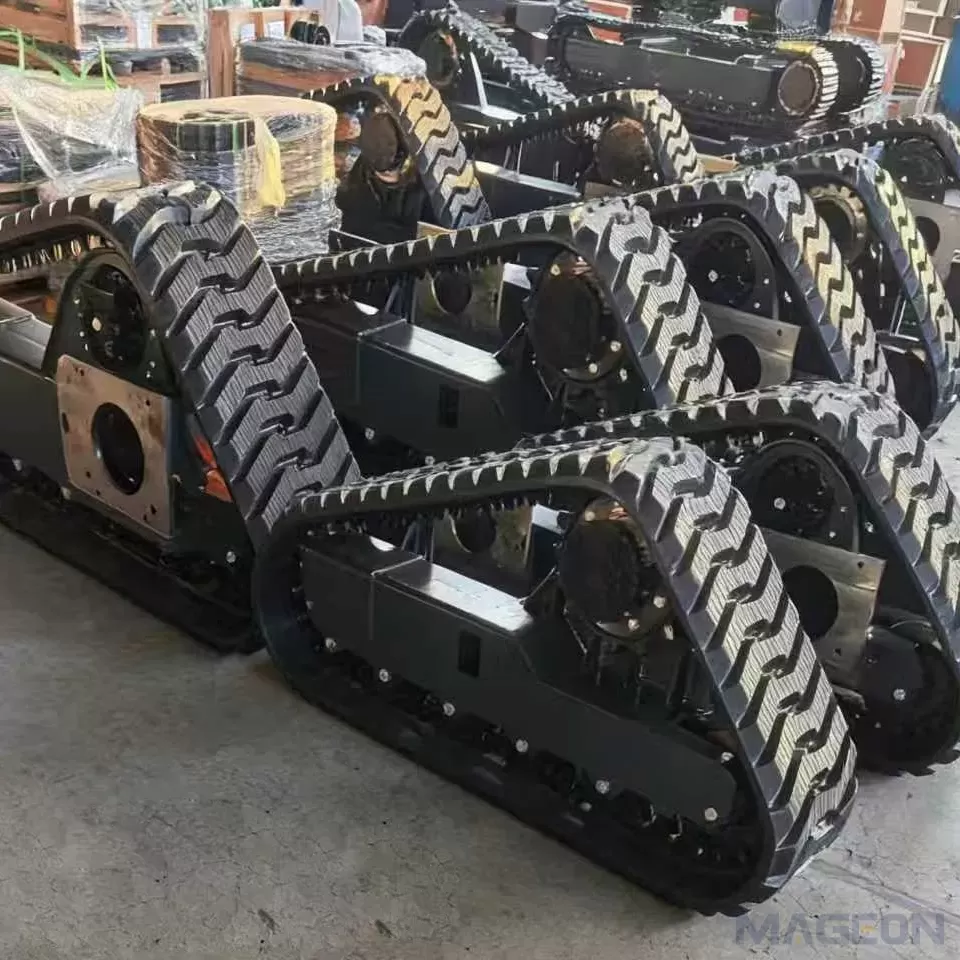
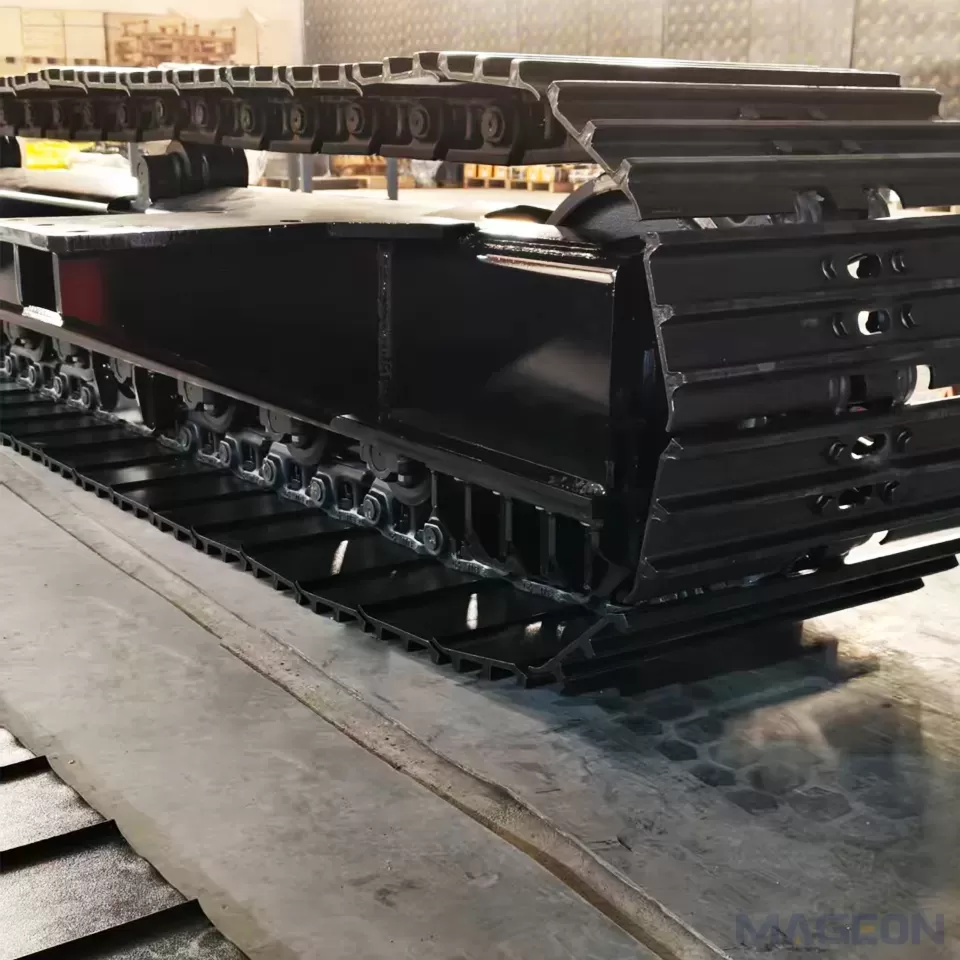
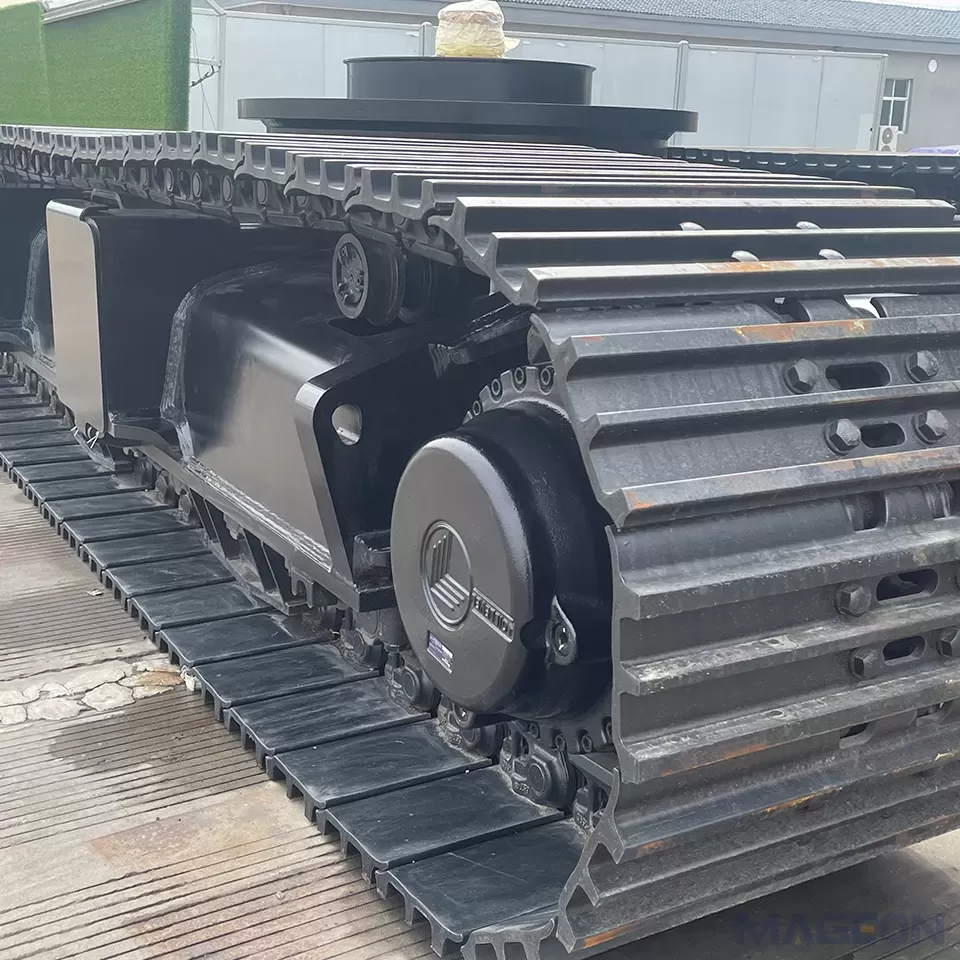
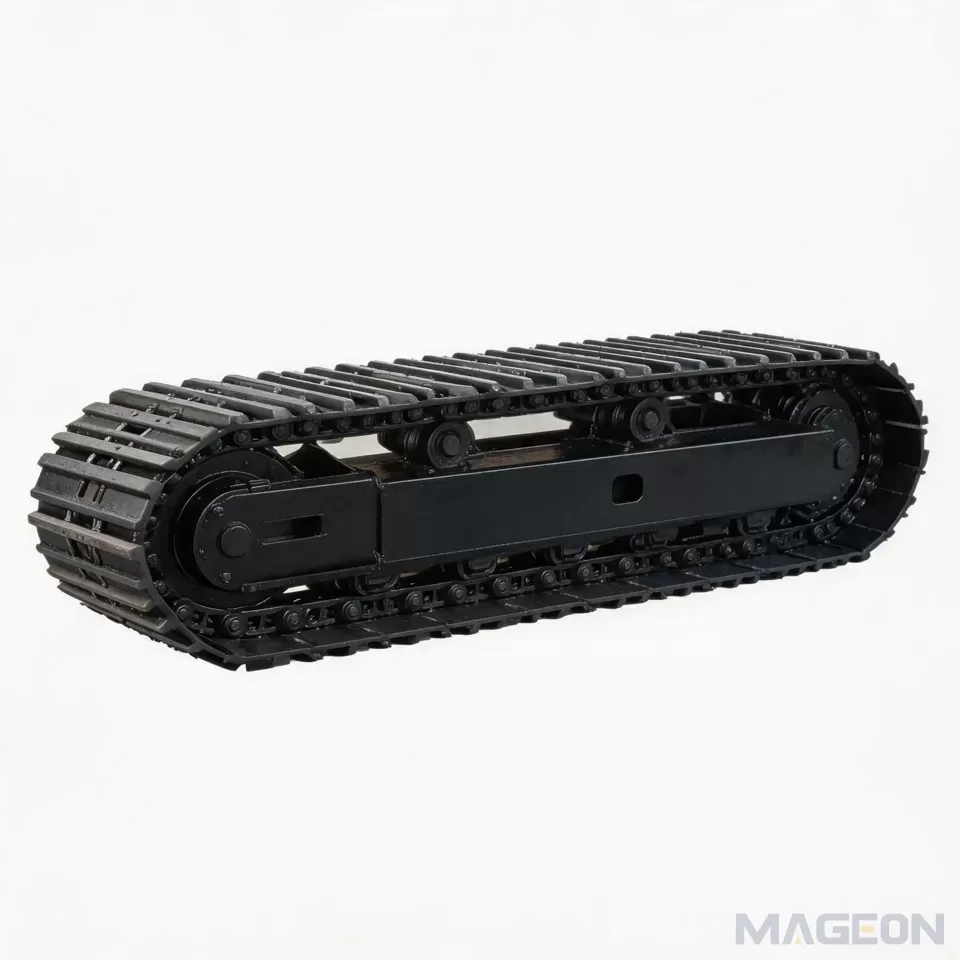
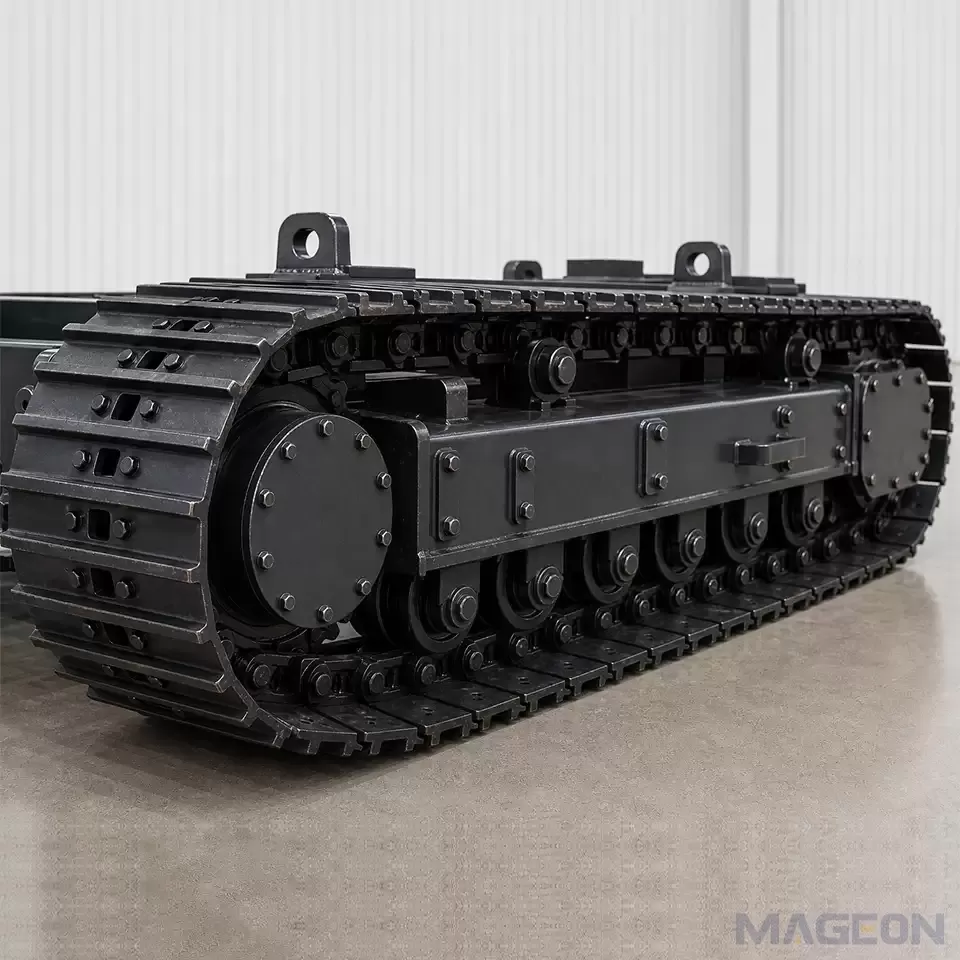
Track-tension requirements should be coordinated across undercarriage selection, machine packaging, adjustment access, inspection instructions, and service responsibility. Treat track tension as one part of the custom crawler undercarriage specification, not as a service setting added after the layout is frozen.
| Why It Matters | Who Confirms It | Evidence or Document | |
|---|---|---|---|
| Track system and carrier-roller layout | Defines relevant geometry and measurement references | Undercarriage engineer and OEM design team | Approved drawing and configuration record |
| Machine load and duty conditions | Establishes the operating context for engineering evaluation | OEM engineering team | Machine data and duty description |
| Underfoot material and debris packing | Affects inspection conditions and maintenance planning | OEM and equipment operator | Application description and service instructions |
| Measurement and maintenance procedure | Keeps checks consistent across production and field service | OEM technical publications and service team | Applicable OMM or approved service document |
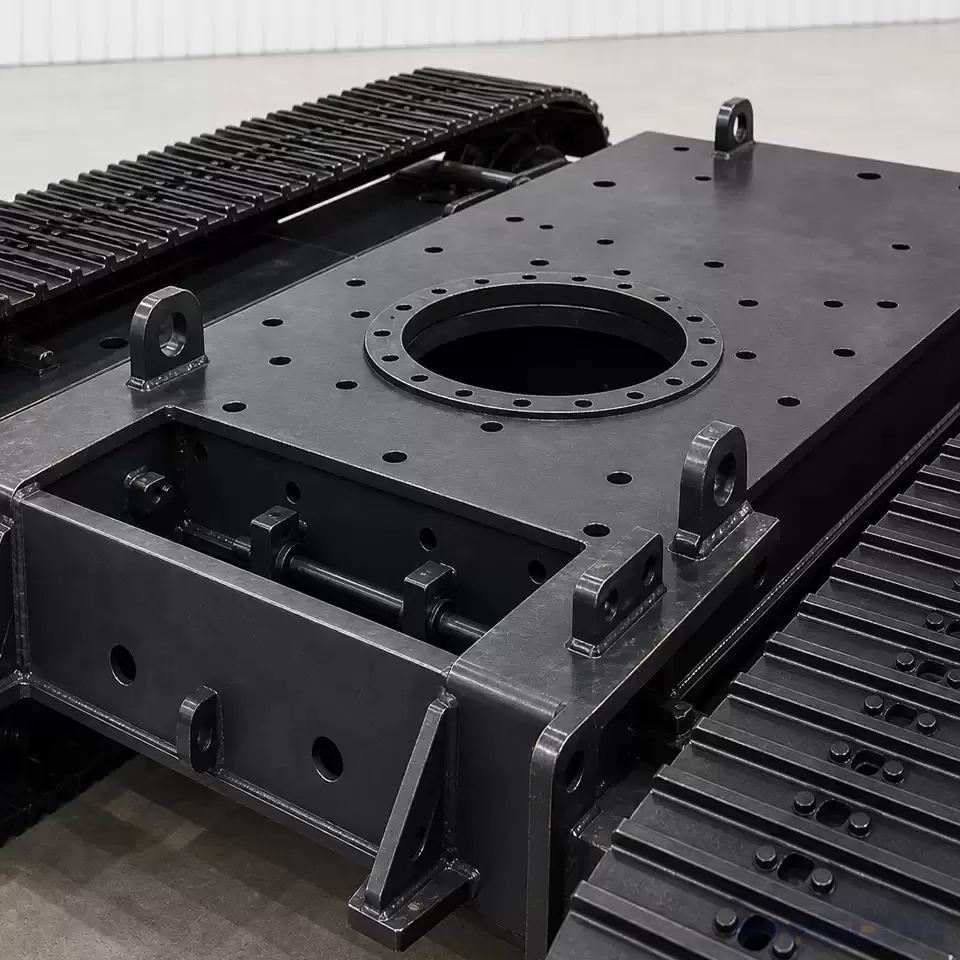
| Adjustment interface and access | Determines whether the specified condition can be inspected and maintained safely | OEM design and service engineering |
The table assigns questions and evidence; it does not confirm that any specific product uses a particular adjuster, range, material, or inspection method. Those details must come from an approved drawing, technical data sheet, manual, or engineering confirmation.
Frequently Asked Questions
Is track sag the same as track tension?
No. Track tension is the working condition of the track loop, while sag is an observable measurement used to assess that condition under a defined procedure. The relationship depends on the machine and undercarriage layout.
Is there a universal crawler track sag value?
No. The correct measurement location and acceptable range depend on the equipment, track configuration, carrier-roller layout, and manufacturer procedure. Use the applicable OMM or an approved engineering document.
Can a visual check replace a measured inspection?
A visual check can identify a reason to investigate, but it does not replace the specified measurement procedure. If the track appears unusually tight, loose, misaligned, or in contact with other components, follow the approved inspection instructions.
Why do carrier rollers matter when measuring sag?
Carrier rollers change the supported spans along the upper track run and can change where measurements are taken. Official OEM guidance distinguishes measurement methods for machines with and without carrier rollers.
Should track tension be checked when material is packed in the undercarriage?
Do not assume one condition applies to every machine. Packed material can interfere with movement, while some guidance also requires attention to actual working conditions. Follow the machine-specific cleaning, positioning, and measurement procedure.
Can an overly tight track accelerate wear?
Yes, official OEM guidance identifies accelerated wear and track-joint or bushing risks when tension is excessive. The amount of wear cannot be predicted without the specific machine, components, duty cycle, and operating environment.
Can a loose track cause derailment?
Excessive looseness can contribute to instability, incorrect engagement, link jumping, or derailment. It is not the only possible cause, so the complete undercarriage and operating condition should be inspected.
When is engineering confirmation required?
Engineering confirmation is required when the approved machine value is unavailable, when the undercarriage configuration changes, or when the intended operating condition differs from the validated application. It is also necessary before publishing project-specific tension, sag, adjustment, or performance data.
Prepare the Right Inputs Before Evaluation
For a technical evaluation or inquiry about a complete crawler undercarriage assembly, provide the equipment type, load information, key dimensions, planned track configuration, and duty conditions. These inputs allow the tension-related requirements to be reviewed within the complete machine context instead of being treated as an isolated universal setting.
Applicable products:
What Information Should You Prepare for Technical Evaluation?
A complete set of undercarriage design requirements should also identify the tension-related conditions that engineering teams need to evaluate. For this topic, prepare at least:
·machine type and intended crawler configuration;
·operating mass, load information, and relevant load distribution;
·key packaging dimensions and the planned track layout;
·carrier-roller arrangement, if already defined;
·duty cycle, travel pattern, terrain, and underfoot material;
·expected mud, sand, rock, or debris packing conditions;
·existing machine-specific inspection or maintenance requirements; and
·any approved drawings or manuals that already define measurement points or target conditions.
·If a project does not yet have a validated sag range or adjustment procedure, leave it for engineering confirmation. Do not fill the gap with a value from an unrelated machine or a generic online chart.
Please leave your customization requirements, and we will contact you as soon as possible!
Leave your requirements, we'll get back to you within 24 hours.